Transfer of Sixena paintings begins at Barcelona's MNAC
Aragon's culture director calls new phase a “pilot test” for chapter house murals
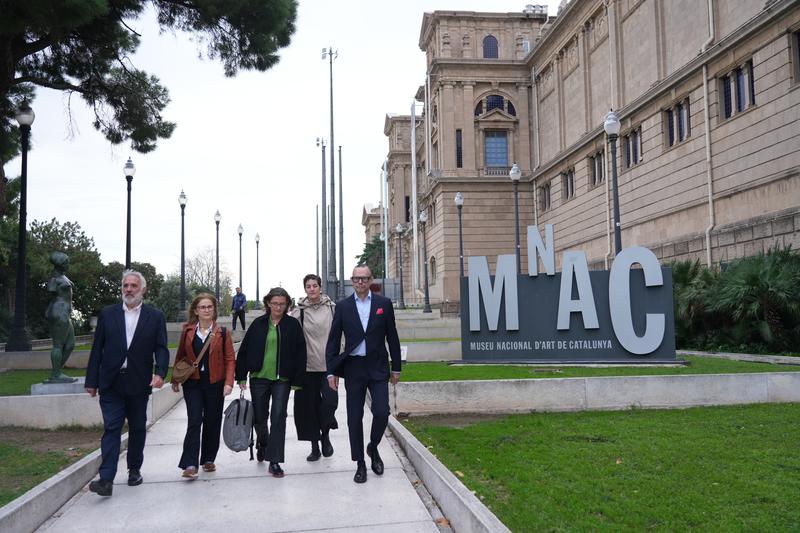

The transfer of eight secular paintings from the Monastery of Sixena began Tuesday at the National Art Museum of Catalonia (MNAC) in Barcelona, in compliance with a Supreme Court ruling. The works, on display in Room 17, will go to the monastery in Aragon.
Pedro Olloqui, Aragon's director general of culture and cultural heritage, visited the museum to see the start of the dismantling. He arrived with a six-person technical team and was welcomed by MNAC director Pepe Serra and president Joan Oliveras.
About 20 technical experts are involved in the operation, including staff from SIT, the company hired to carry it out, and representatives of the Catalan and Aragonese governments.
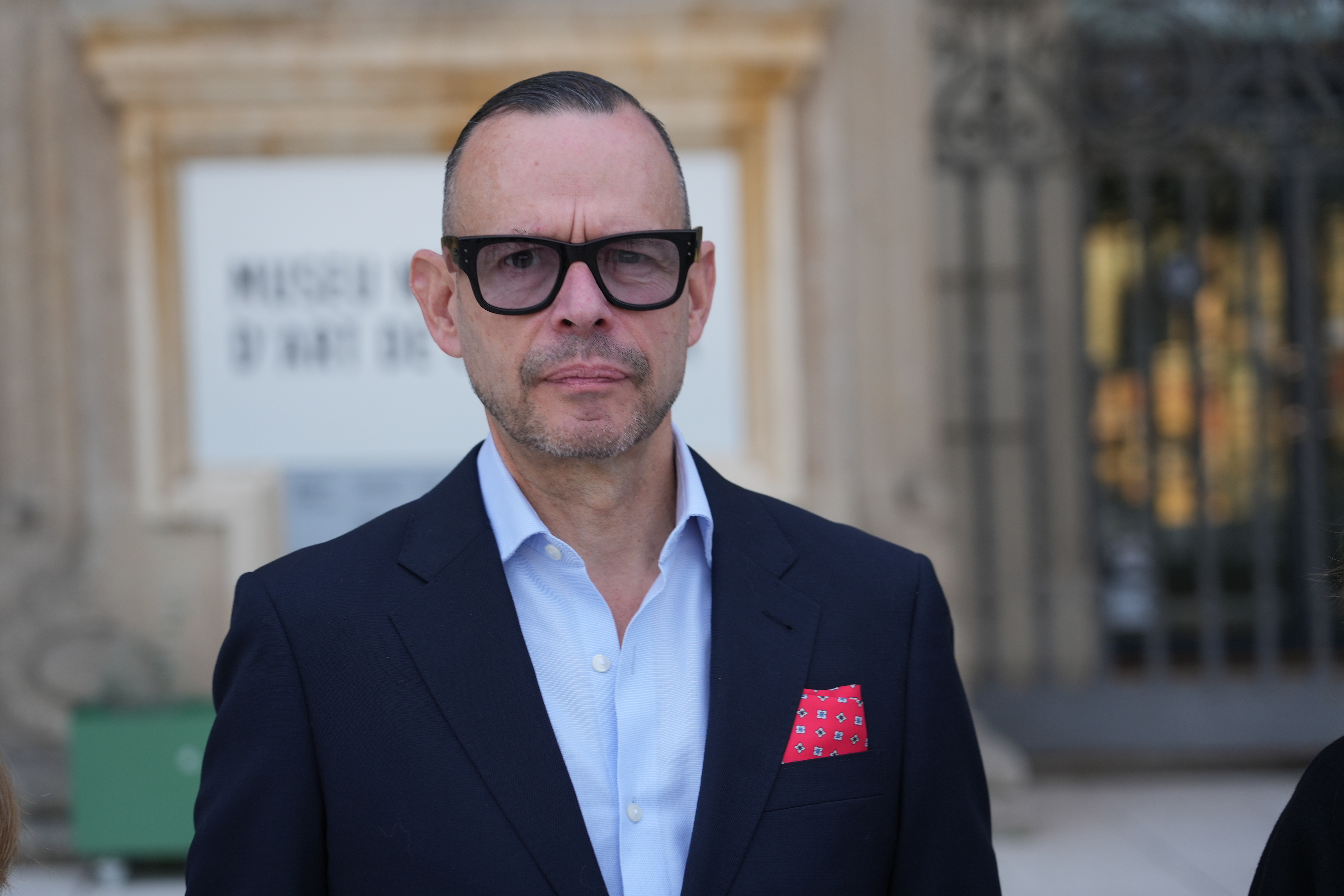
"I want to point out that this operation is a pilot test for also carrying out the transfer of the Chapterhouse murals," Olloqui said. "We in Aragon are fully committed to ensuring the court ruling is complied with. The ruling will not be fulfilled until the entire collection of the Sixena murals returns home, returns to Aragon, to the Monastery of Sixena."
He said he understood the "sense of grief over the loss" but did not understand "the creation of a conflict surrounding compliance with the court ruling." Olloqui acknowledged "a great deal of tension" with the MNAC, with which his dealings had so far been limited to correspondence with Serra.
He said he wants to restore "normality" and asked Serra for a meeting to start "a phase of cooperation." He said there is "personal cordiality" despite the differences, which "we certainly will not hide."
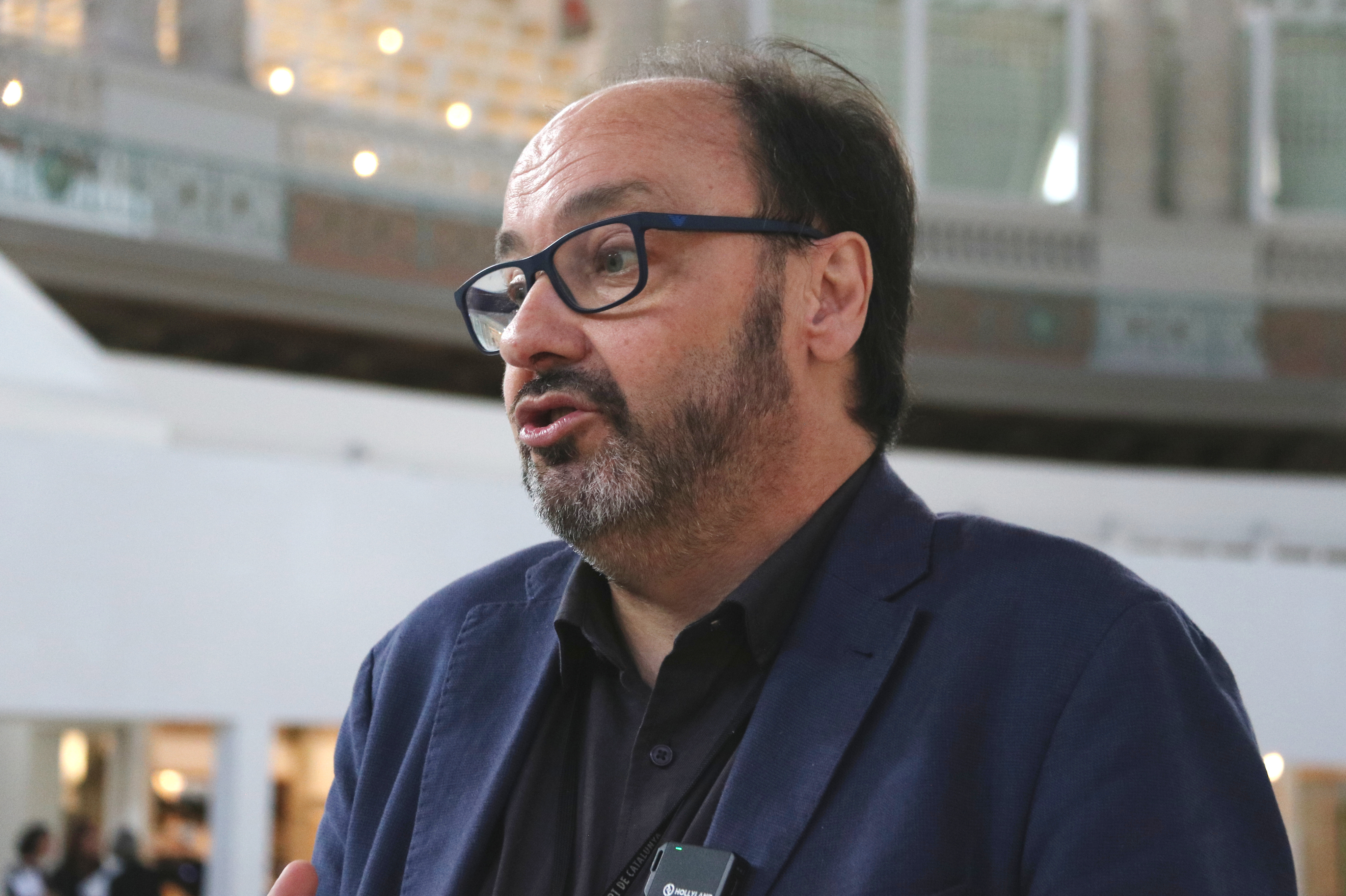
Catalan government spokesperson Sílvia Paneque said Tuesday that "court rulings, whether one likes them or not, must be obeyed and complied with."
She said the transfer of the secular paintings is "compliance with a final court ruling."
Panque added that the MNAC has submitted reports warning that the chapter house paintings are "at risk of sustaining damage" if they are moved. Nevertheless, she made sure to acknowledge the museum's work, since without it "perhaps nothing would remain of the Sixena works."
The museum itself said Tuesday that the secular paintings have "conservation characteristics that are substantially different from those of the paintings in the chapter house."
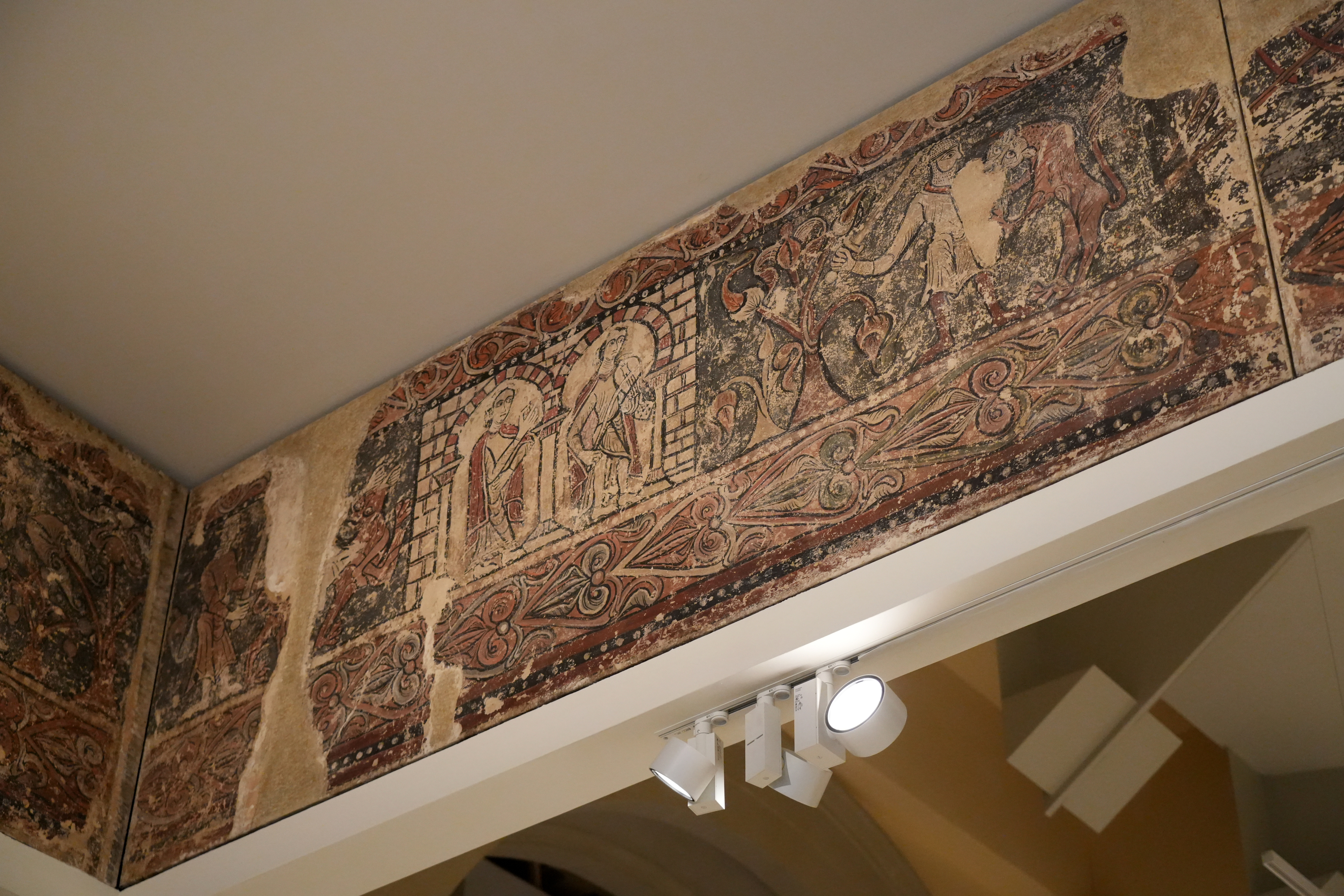
In a press release, it said the works "did not sustain direct fire damage," so their condition requires no "consolidation treatments." Additionally, they are mounted on independent, flat, rigid supports, so removing them does not require any cutting, sawing or sectioning.
The paintings are due to arrive at the monastery on December 2. They will be stored temporarily in the nave of the former dormitories, where they will be analyzed and cleaned, before the Aragonese government puts them on display at the start of 2028.
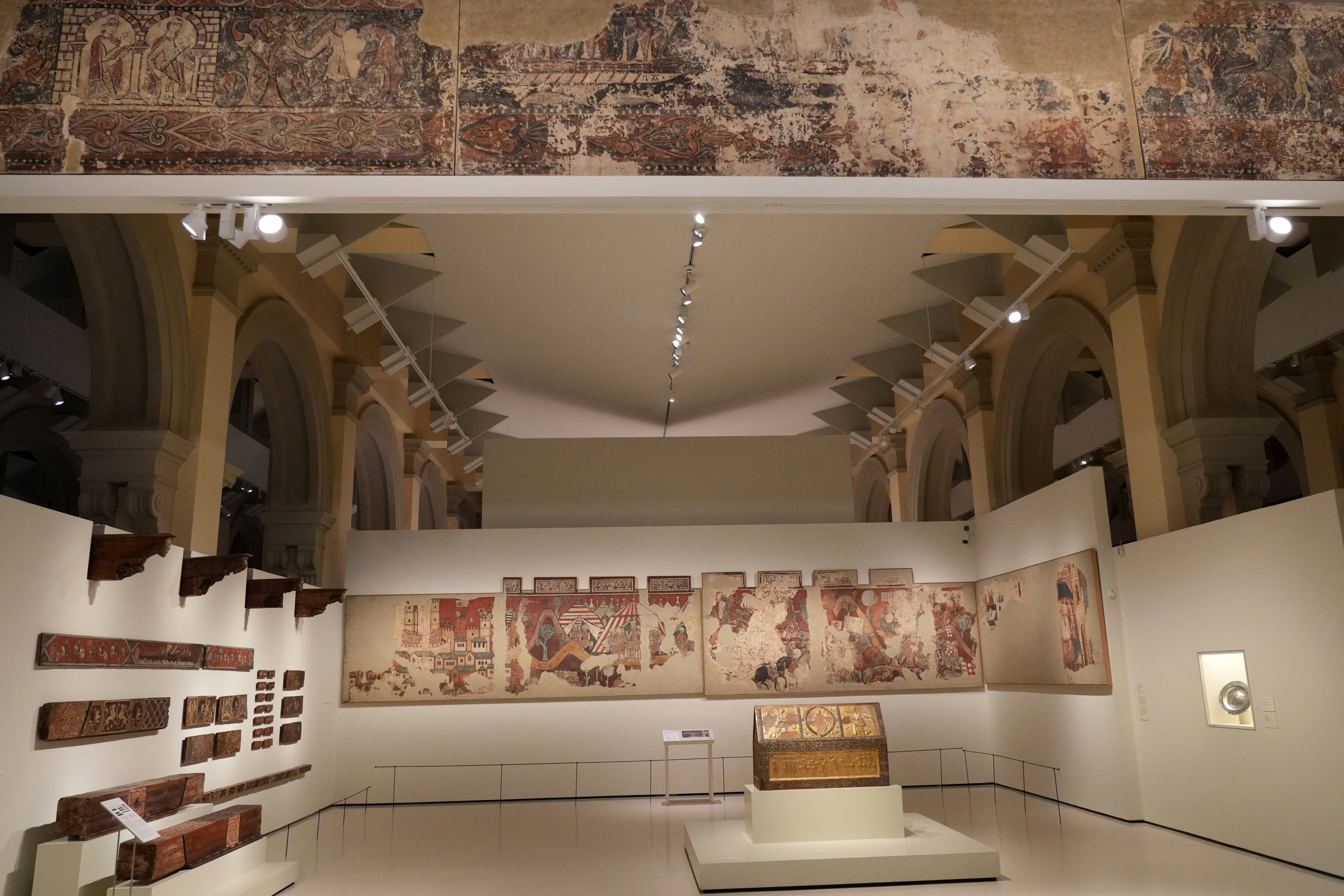
The eight panels are 13th-century frescoes that were detached in the 1960s and transferred onto canvas. Together they form a continuous frieze that once decorated the upper parts of the walls in a rectangular room between the monastery's church and its cloister.
The largest panel is 384 centimeters long. They depict courtly and battle scenes, including knights leaving a castle for war, a naval battle between a Christian galley and a Saracen one, and a lion attacking a soldier. They have been on display in Room 17 of the MNAC's medieval art collection since 1995.