The Black Ball: Spain's Oscar entry arrives in cinemas
Catalan talent behind Javier Ambrossi and Javier Calvo's latest movie includes cinematographer Gris Jordana and composer Raül Refree
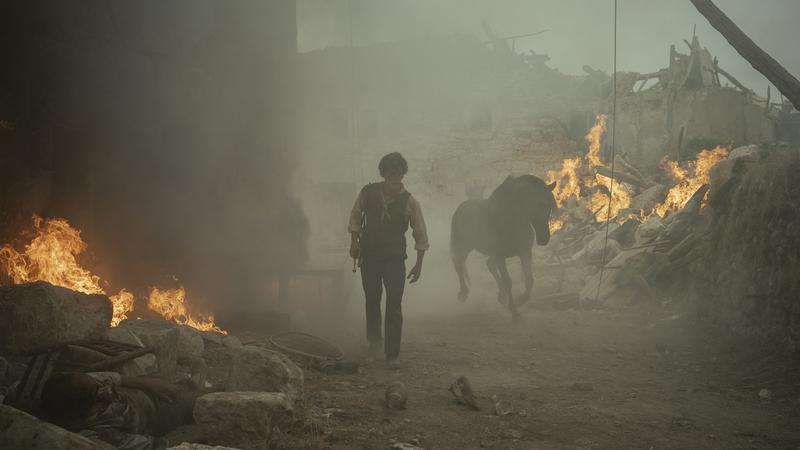

The Black Ball, the much-anticipated film by Javier Ambrossi and Javier Calvo, known as the Javis, arrives in cinemas on Friday.
The film comes with the momentum of a Cannes prize, its selection as Spain's entry for the Oscars and weeks of growing anticipation.
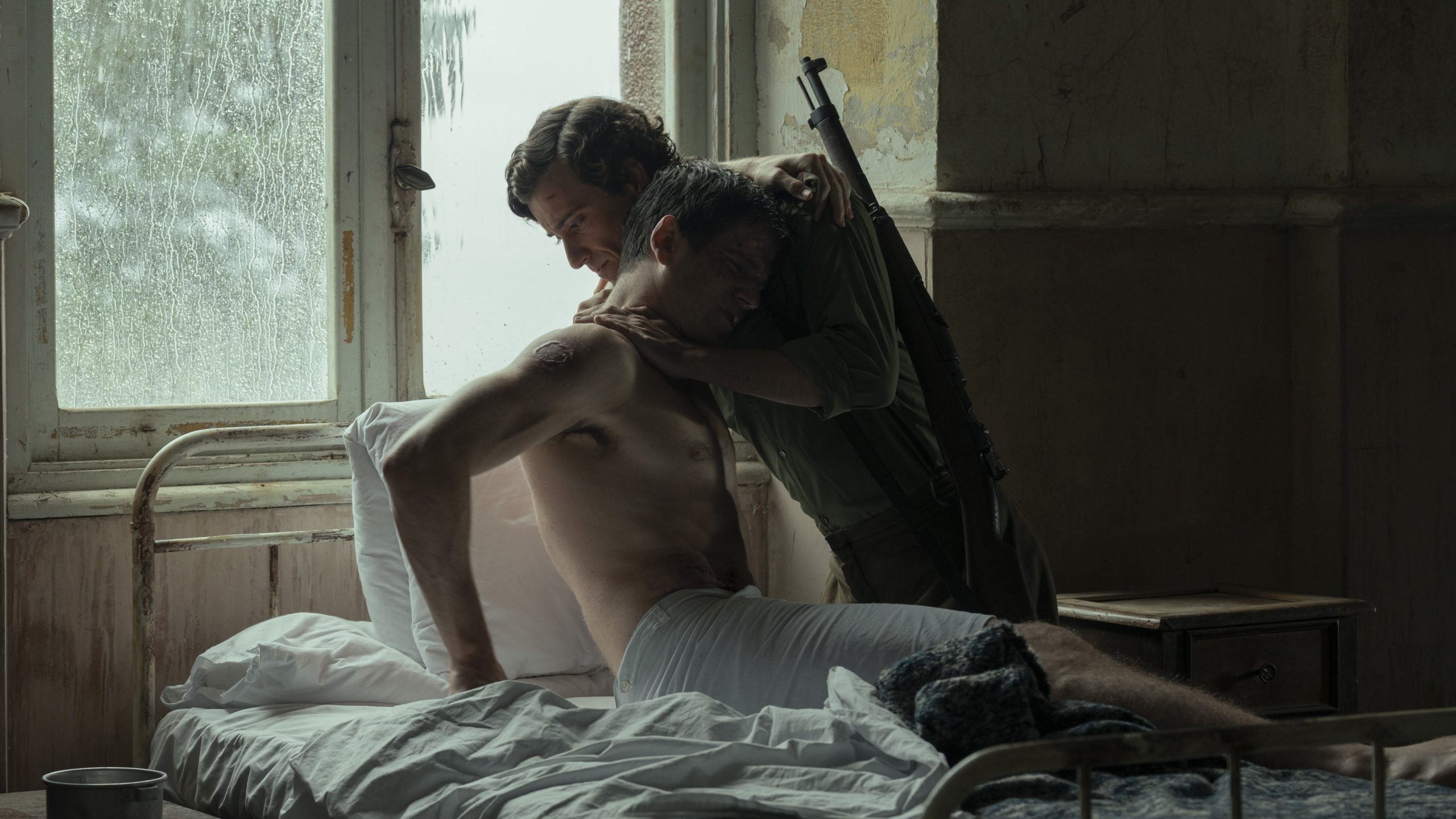
The film tells three interconnected stories set in 1932, 1937 and 2017, following three gay men whose lives are linked by desire, repression, memory and an unfinished work by Federico García Lorca.
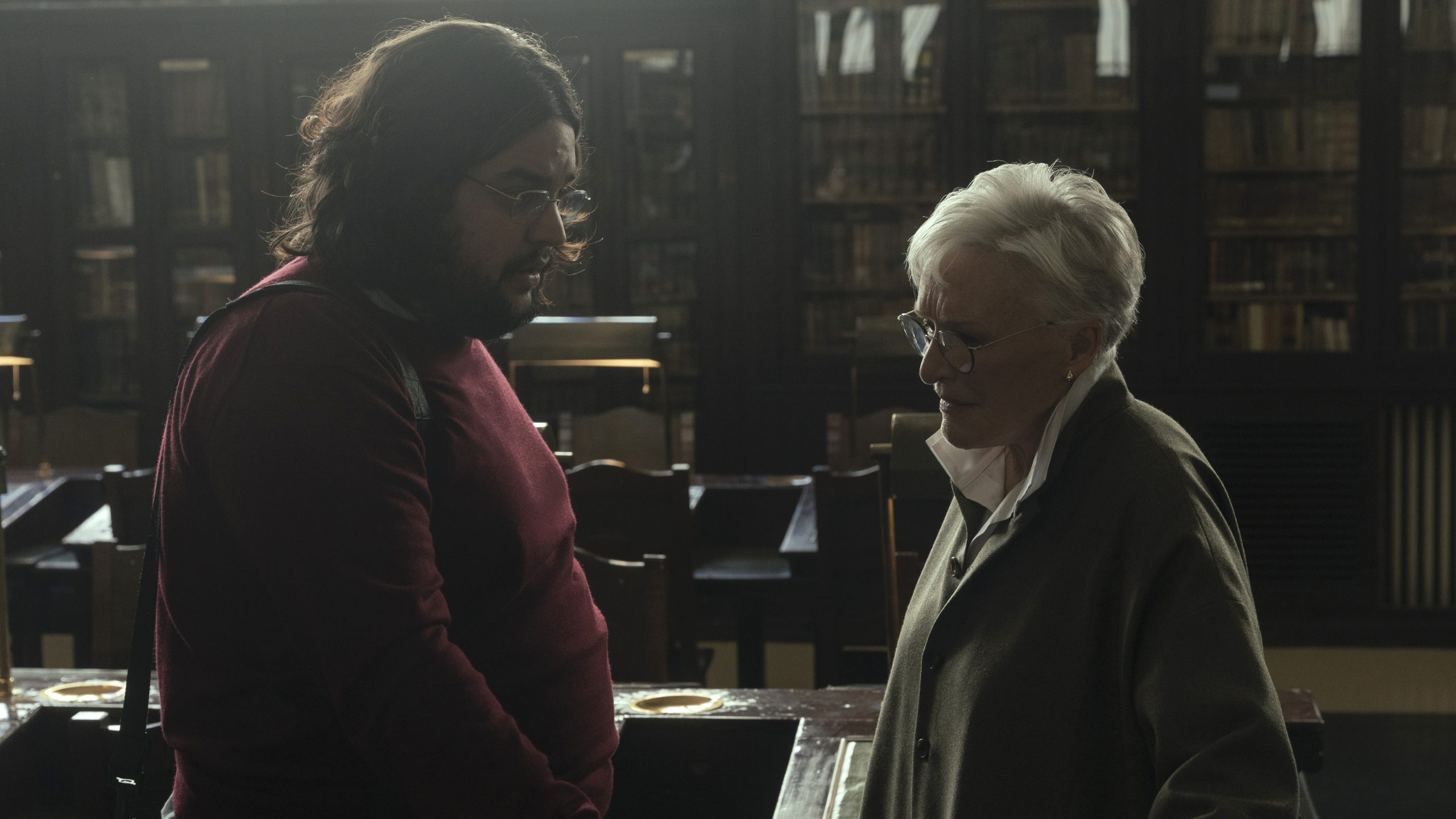
The title comes from that unfinished Lorca work, while the film also draws on Alberto Conejero's play The Dark Stone.
The production features Catalan talent, including Barcelona-based producer and musician Raül Refree, who composed the soundtrack, and cinematographer Gris Jordana, from Manlleu in Osona, whose work gives the film its distinctive visual language.
The Javis' film has already found success on the awards circuit.
It won the best director prize at Cannes, shared with Paweł Pawlikowski for Fatherland, before being selected by the Spanish Film Academy to represent Spain in the international feature category at the 99th Academy Awards.
The Oscar campaign will continue over the coming months, with the shortlist due on December 15 and the five nominees announced on January 21.
Soundtrack and cinematography
One of the soundtrack's defining pieces is 'La nieve' (The Snow), which appears in the final scene.
Written by Refree and Guitarricadelafuente – who also performs it in his first major acting role – the song draws on the final letters Lorca sent to Juan Ramírez de Lucas, his last great love.
It is an intimate meditation on desire, memory and what remains unsaid.
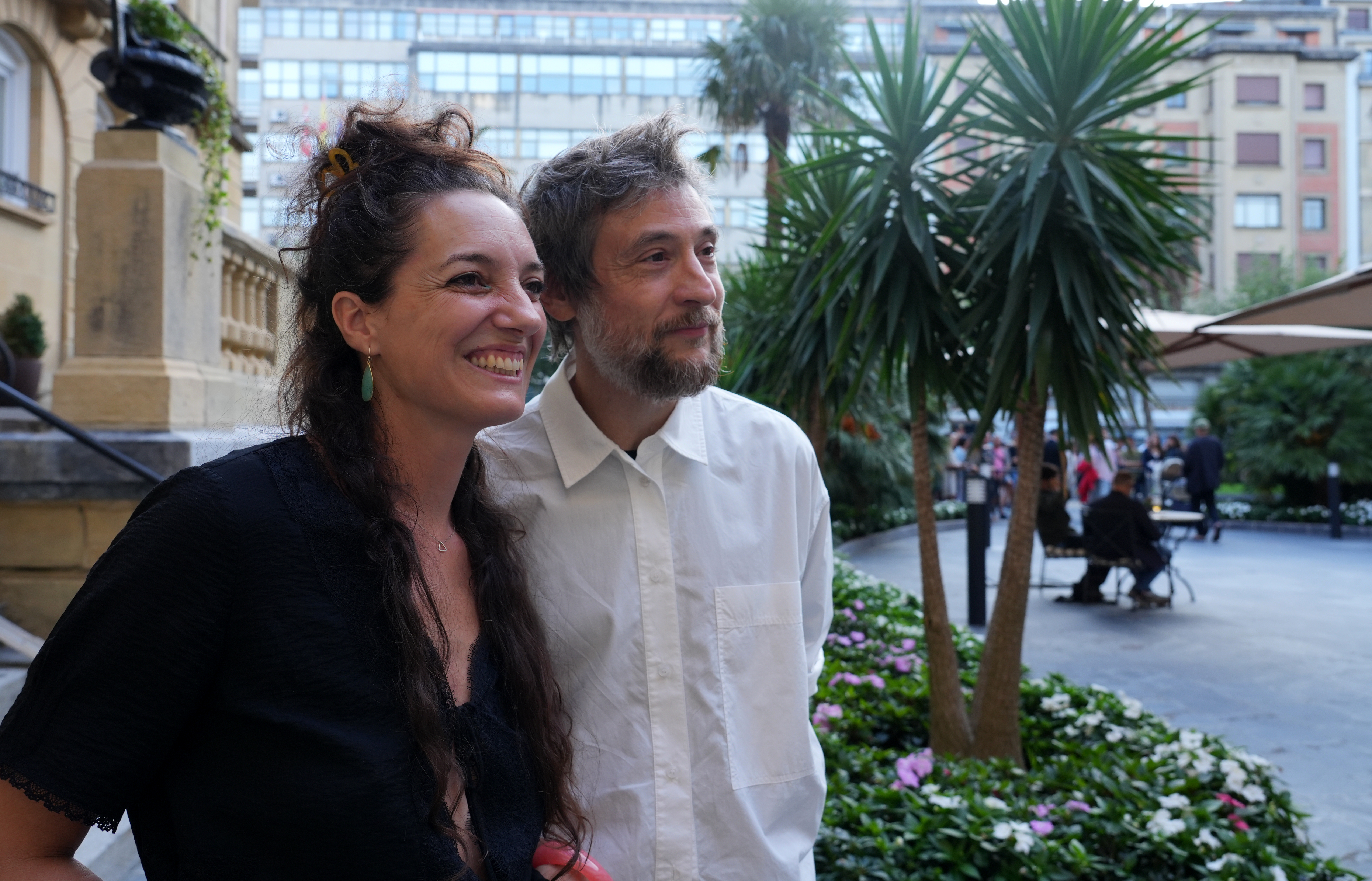
Refree said the Javis heard an early version of the song and wanted it incorporated into the soundtrack rather than appearing as an isolated musical moment. He subsequently reworked the piece and integrated it into the film.
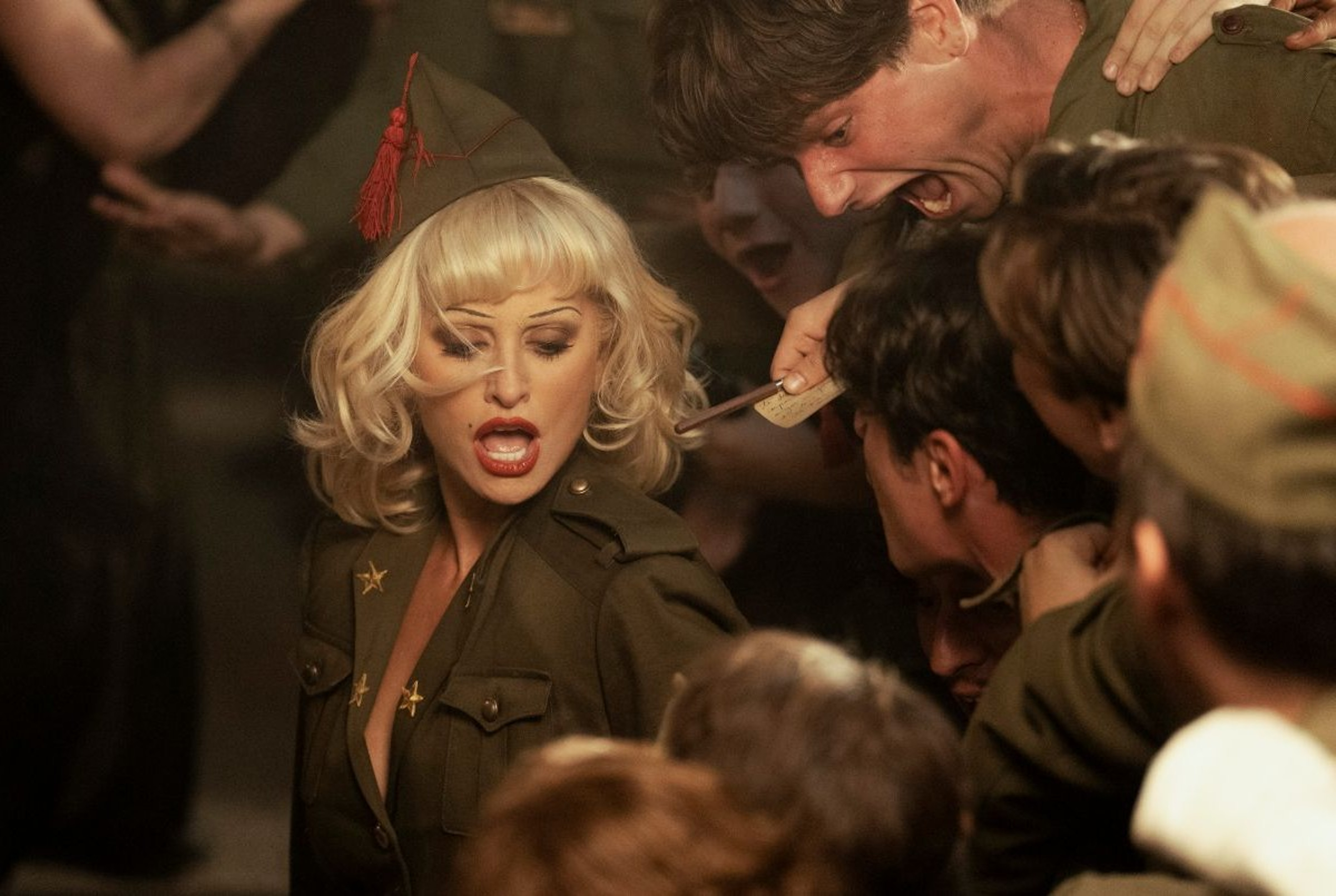
The soundtrack differentiates the three stories while gradually bringing them together.
Sebastián’s story, centred on a trumpet player, is associated largely with brass instruments.
Carlos's narrative uses more piano, strings and choir, giving it a "more classical" sound, while the 2017 section relies on percussion, darker sounds and silence.
By the final section, those distinctions begin to dissolve. "The final part is where the orchestra shines 100%, because they all come together," Refree said.
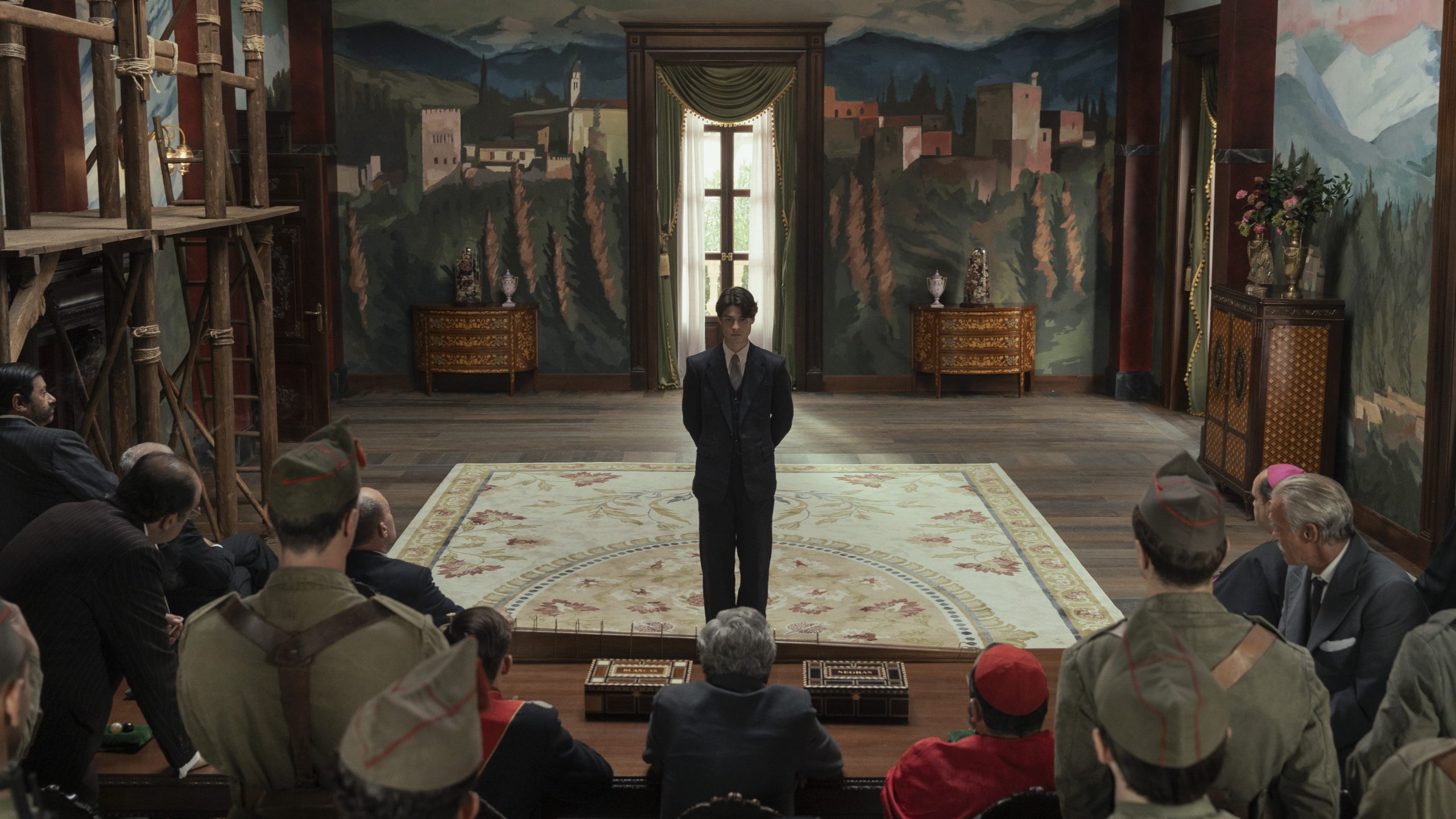
Jordana approached the visual side of the film in a somewhat similar way. Shot on 35mm analogue film, The Black Ball builds subtle distinctions between its three periods without making the transitions feel abrupt.
"I haven't lit any story differently, but we have varied aspects such as the way of telling it through camera movements or lenses," she said.
Jordana described the process behind The Black Ball as a “very intertwined” one, in which months of collaboration can make it difficult to identify where one person's idea ends and another's begins.
Refree said the directors' approach helped create that dynamic. They "have an ability to give you a lot of space and, at the same time, always be there," he said.