Sharks exhibition gets European debut in Barcelona science museum
CosmoCaixa exhibit features 10 life-sized models and interactive displays
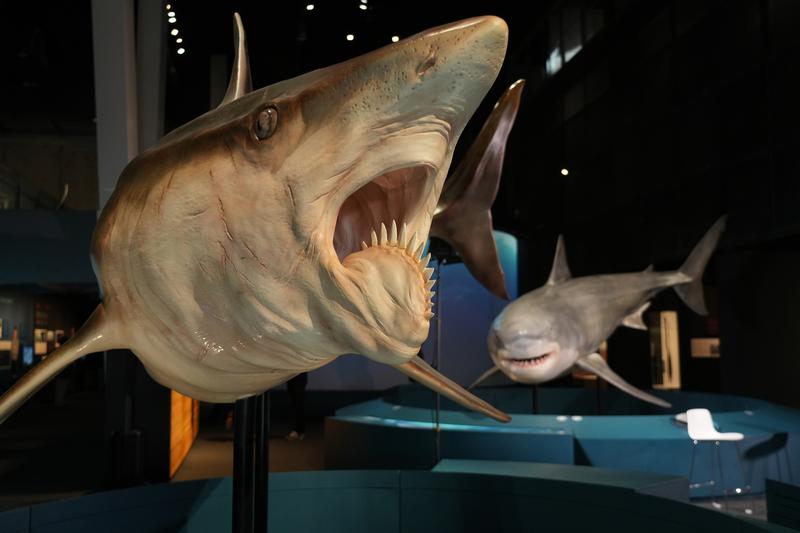

A new exhibition at Barcelona's CosmoCaixa Science Museum is inviting visitors to reconsider one of the ocean's most feared and misunderstood animals.
Created by the Australian Museum and, in partnership with Evergreen Exhibitions, it has already toured internationally to museums in the United States and New Zealand, but has now arrived in Europe.
Featuring 10 life-size replicas of different species alongside interactive elements, the exhibition lets visitors explore the diversity of this ancient group of animals.
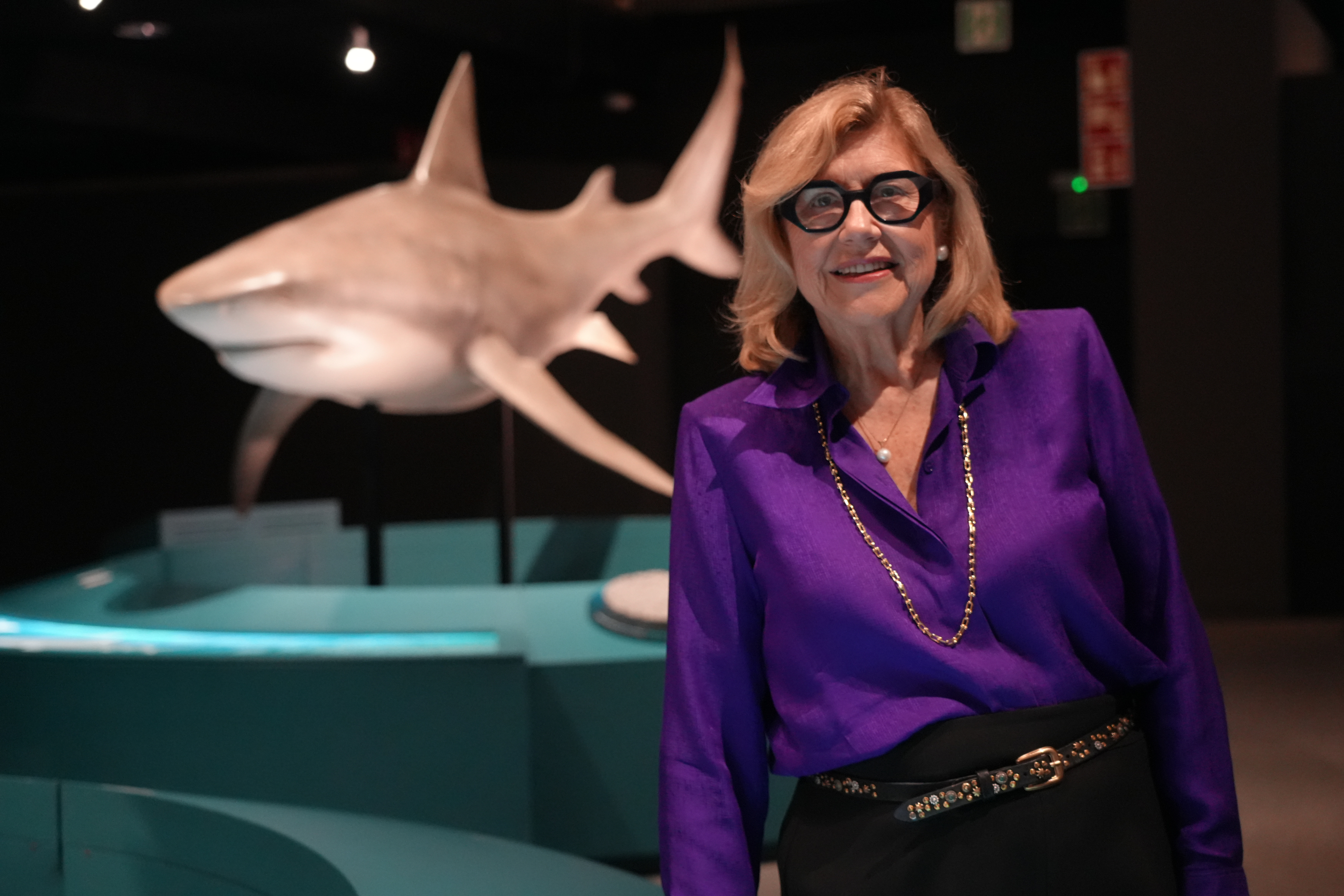
"Over the 450 million years they have been on the planet, they have evolved into remarkable swimmers," said Kim McKay, director and CEO of the Australian Museum. "They are truly fascinating creatures."
The exhibition runs through September 26, 2027, and seeks to trace the evolutionary history of sharks across 450 million years, a timeline that predates the dinosaurs and spans five global extinction events.
Of the 10 life-sized models, it includes the great white shark, the hammerhead shark and the extinct Helicoprion, a spiral-toothed shark that inhabited the oceans 270 million years ago.
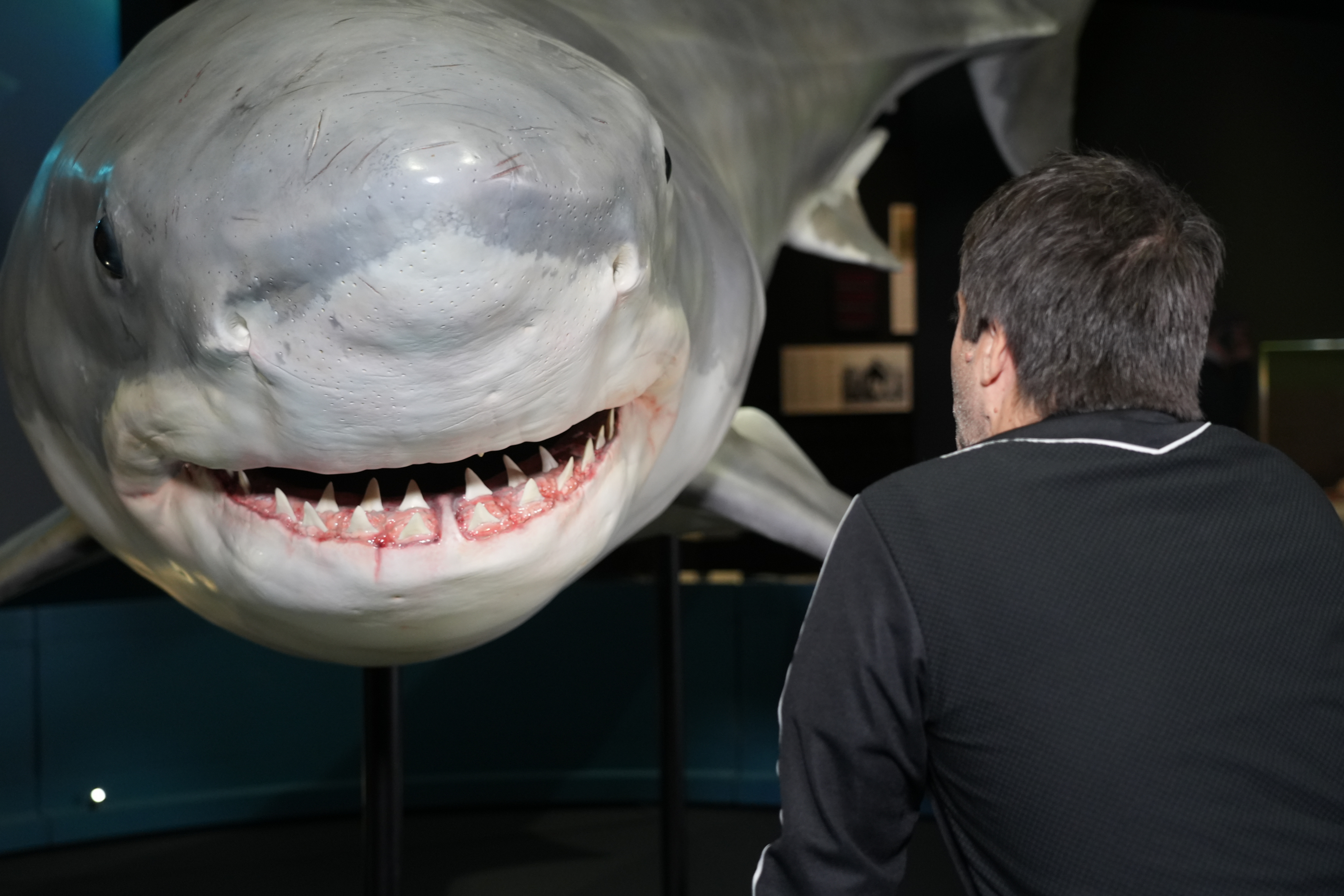
Displays include a megalodon jaw and recreations of shark skin, while interactive modules allow visitors to explore shark anatomy using a 3D scanner and experience a 360-degree perspective from inside a hammerhead's point of view. A specially designed oceanarium completes the experience.
The exhibition also looks at how sharks interact with humans, dispelling myths and highlighting their vital role in ocean ecosystems.
"Being the apex predator in the ocean, they form such an important part of the ecosystem," McKay said. "If they're removed from that it upsets everything and the health of our oceans."
"They do look fearsome, they have these big teeth and big jaws," she said. "But really that is to help them fish. Their primary meals are not us, they're not hunting humans in that way."
In addition, McKay outlined that the exhibition will highlight how humans, both in the past and today, interact with sharks.
"The more we understand about any animal, the more we can respect it and the more therefore we can do to conserve it," McKay said. "Shark conservation should really be at the top of the agenda."