Saving Sabadell's disappearing shop signs
Patrimoni Gràfic Sabadell preserves city's vanishing commercial past in new exhibition
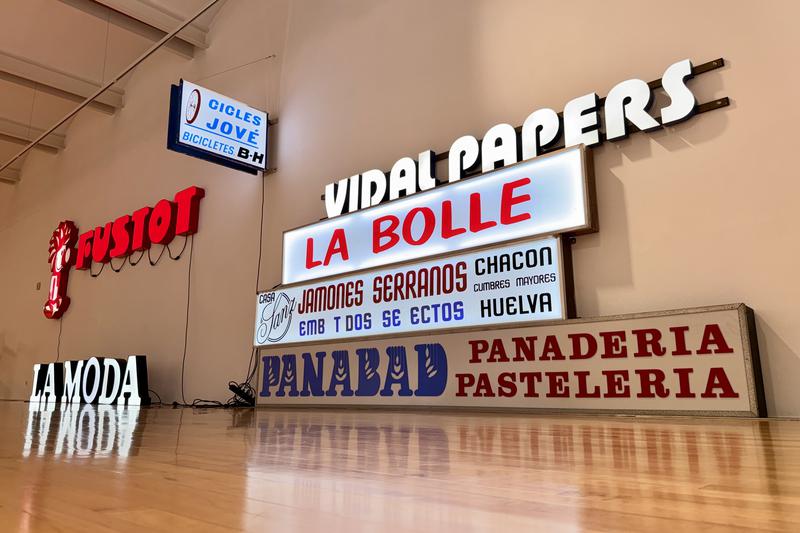

Cities are becoming harder to tell apart. The independent shops that once gave streets their identity are disappearing, replaced by multinational chains.
In Sabadell, 20km inland from Barcelona, Patrimoni Gràfic Sabadell is trying to preserve the city's visual identity.
The group cannot stop a long-established cobbler from being replaced by a café chain or nail salon, but for the past year it has been rescuing the signs of traditional shops, usually when businesses close.
From September 2, some of the collection will go on display at the city's Art Museum.
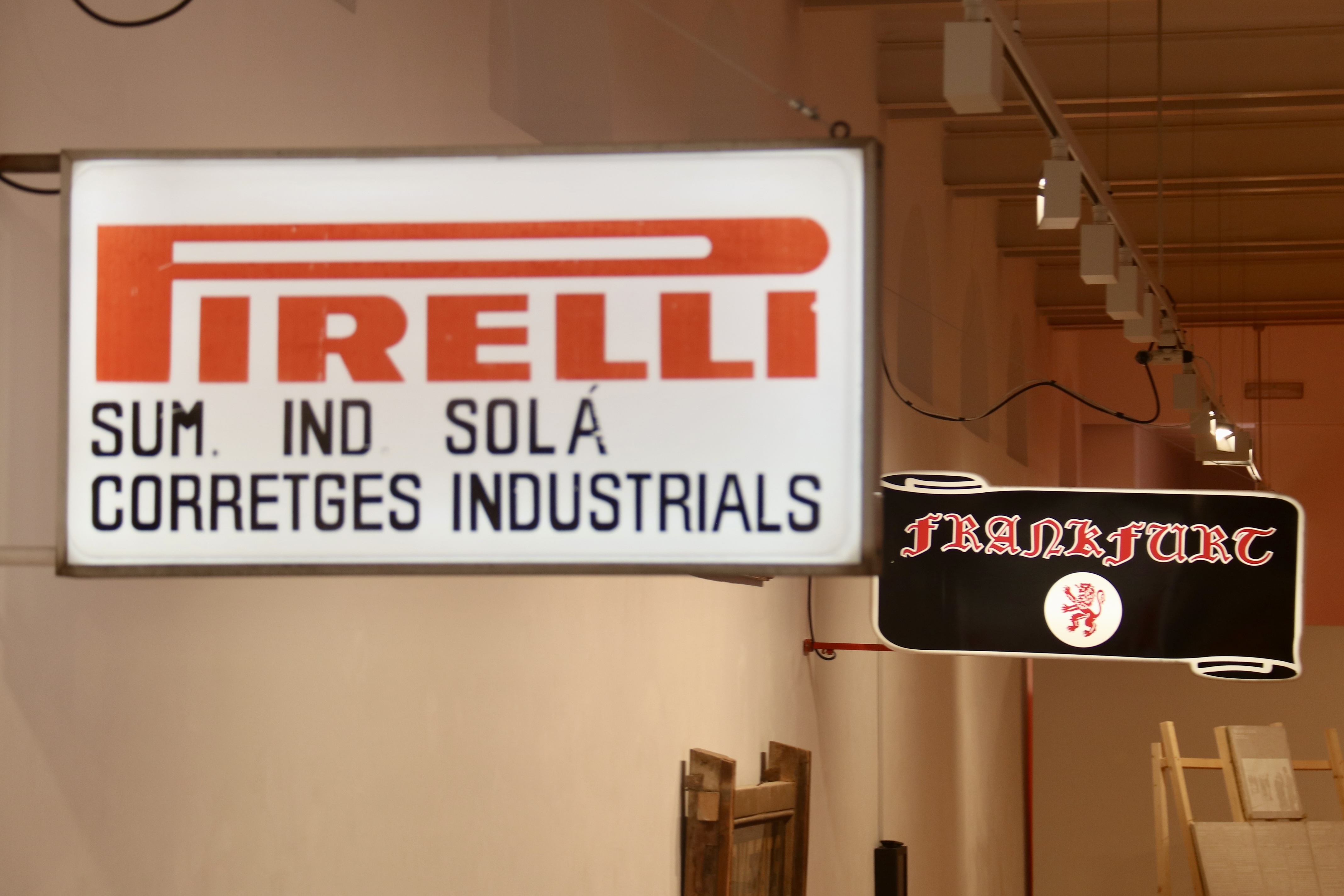
The project began almost by accident. In September 2025, graphic designer Pol Abran was walking along Passeig Manresa when he noticed the old sign being removed from the Frankfurt Permanyer bar.
"The owner was talking to the installer who had replaced the old sign with a new one, and he said to him: 'Yes, yes, yes, throw it away'; I stopped and told him I would keep it, and that's how Patrimoni Gràfic Sabadell was born," Abran told the Catalan News Agency (ACN).
The group now tracks down owners of shops that are closing or changing their signs, never removing anything without permission. If a business is already closed, members talk to neighbour until they can locate the owner.
"We're doing this work because cities are changing at a very fast pace, with shops and businesses that make all cities look the same: multinationals, bakery chains, etc. There's a lack of personality," says Judit Carcolse, a member of the collective.
She recalls the recent closure of La Bolle, a neighbourhood pastry shop near Escola Pia that had served generations of schoolchildren.
"People tell us: 'I used to go there to get bread,' or 'I used to go there with my grandmother.'"
"People have emotional connections with these graphics and these signs, which speak of a way of life in cities, and we are losing that," Carcolse said.
The exhibition will feature signs from Ràdio Grau, an electronics and household-appliance shop that operated on La Rambla from the 1930s, as well as the Frankfurt Permanyer sign that inspired the group.
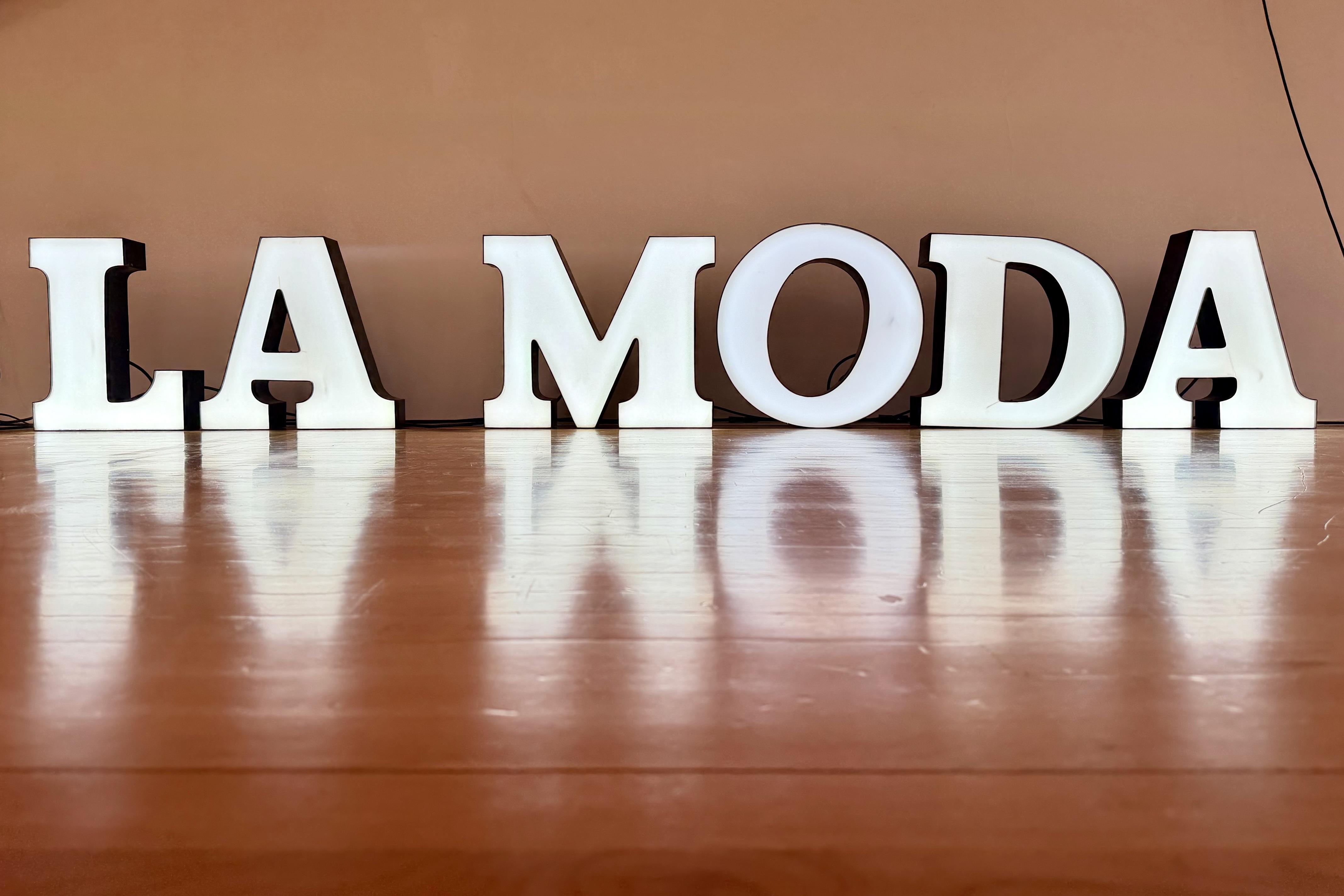
Other recent rescues include signs from La Moda haberdashery, Vidal Papers and La Bolle.
Casa Homedes
Among the most interesting is the sign from Casa Homedes, a business on Carrer de la Rosa that had operated since 1830.
Its 300-year-old building partially collapsed on March 15, damaging the façade and sign.
The group managed to save the sign and donated it to the History Musuem.
But the collapse revealed something unexpected: an even older sign hidden underneath.
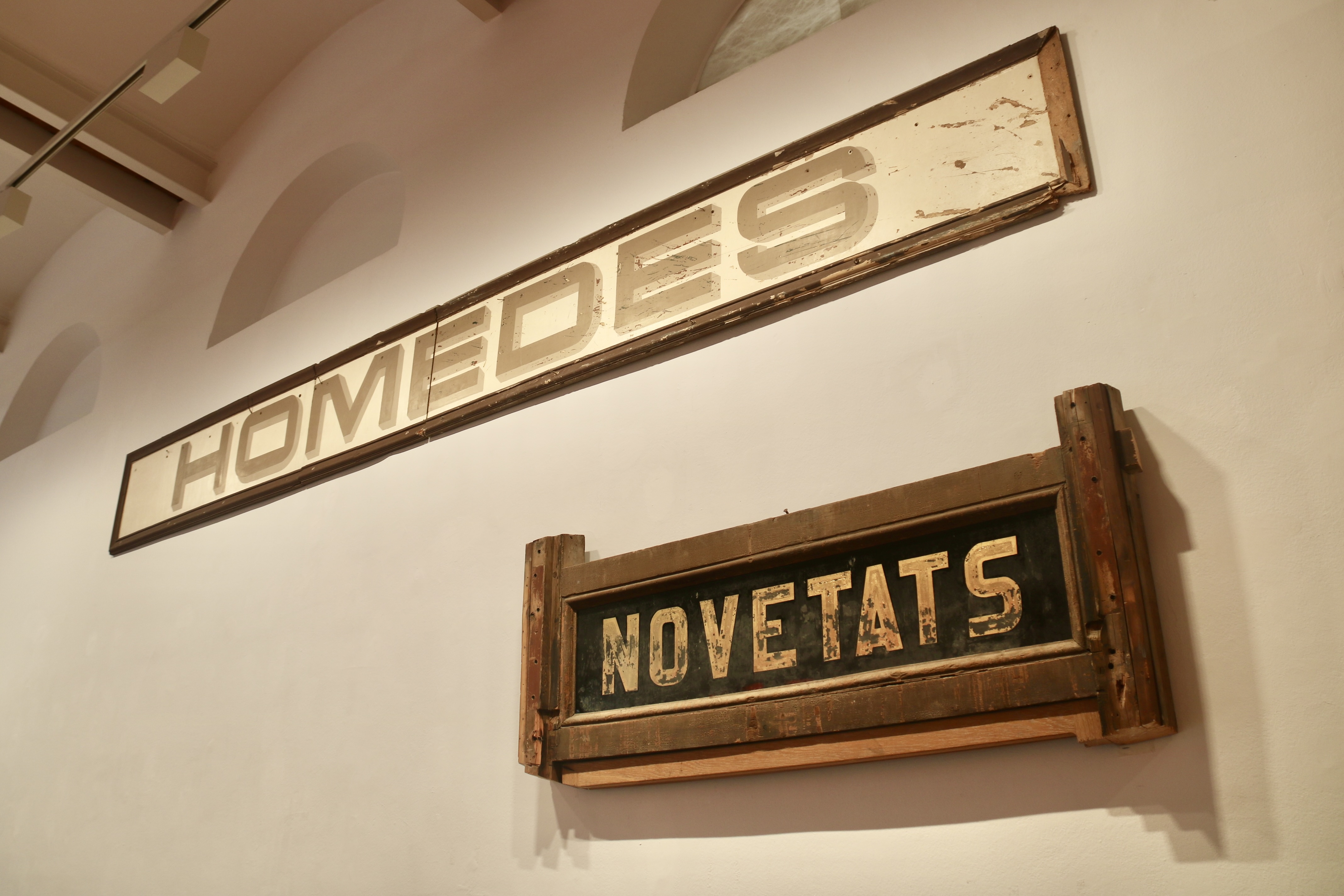
"When this sign fell, a much older sign appeared underneath, an earlier layer of history, supposedly dating from 1923, and the two are displayed here on two levels so that these two accumulated layers of graphic history can be understood," said Guillem Celada, a member of the group.
"In other words, the preserved, catalogued heritage was actually concealing another, even older piece of heritage."