Sant Jordi myths busted: media sales are a minority and Catalan reign
Millions of books sold show bestseller lists are a small share, with leading genres diverse
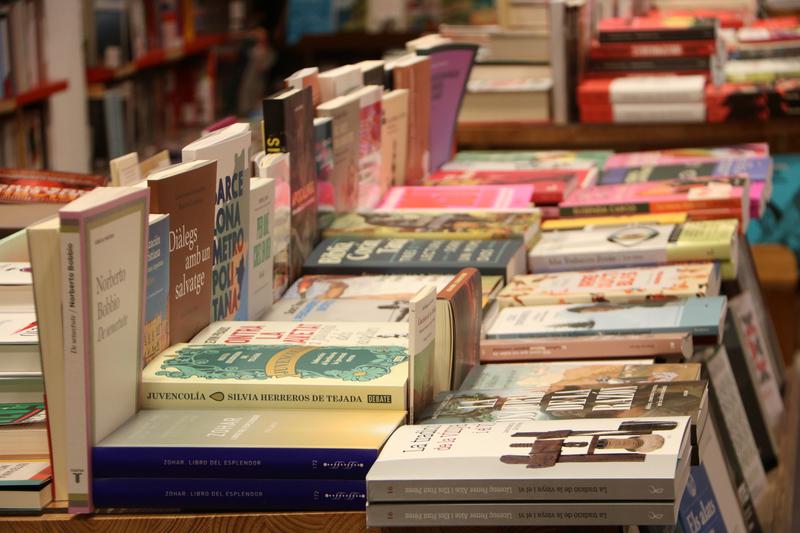

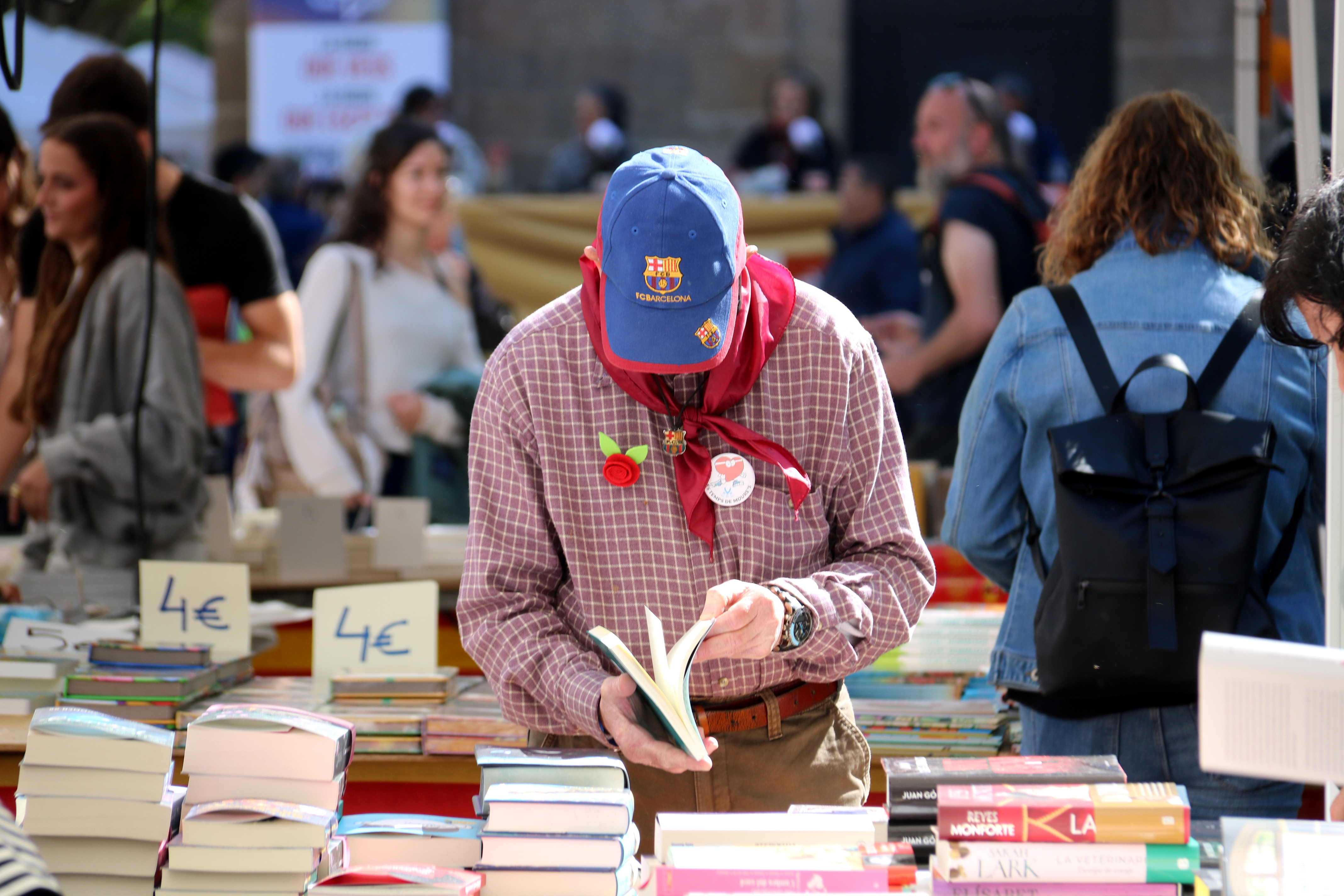
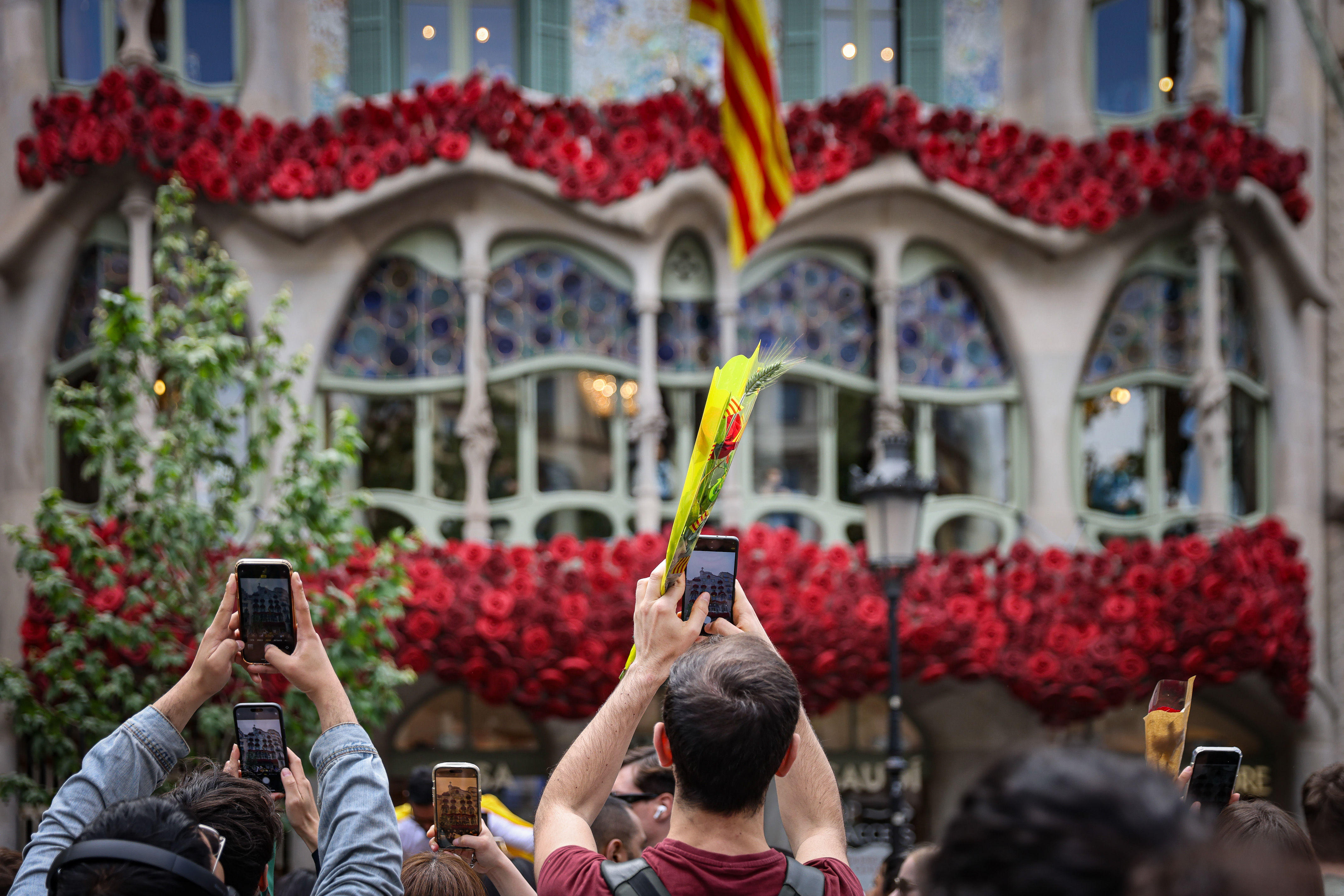
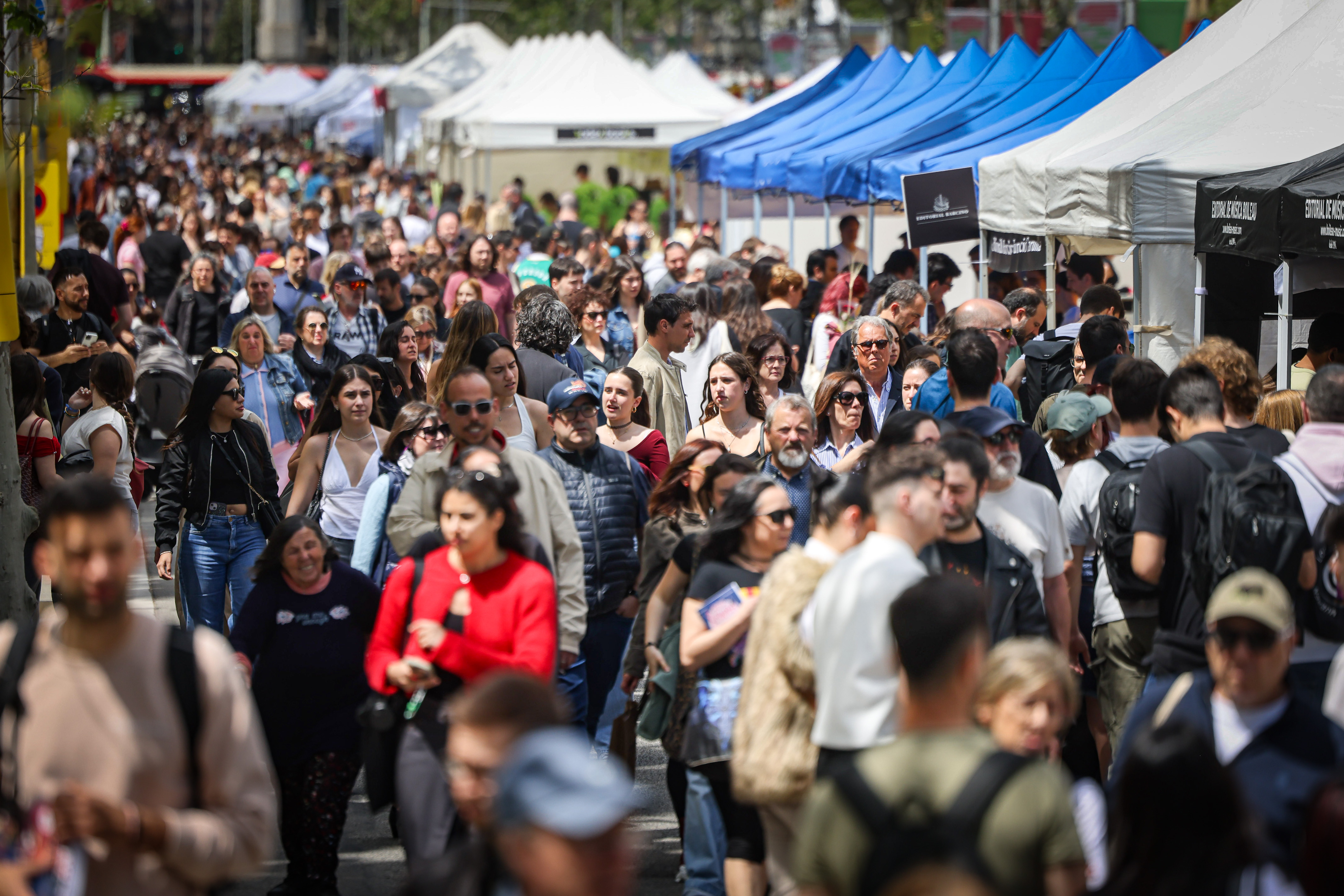
Every April 23, on Sant Jordi, streets fill with bookstalls and rose vendors, and millions of books change hands. But Catalonia's iconic Book Day is surrounded by common assumptions that don't always match reality.
With the help of the Booksellers' Association, the Catalan News Agency examined some of the most persistent myths about the day of books and roses, from celebrity-driven bestsellers to language dominance and the true weight of the celebration in the annual book trade.
❌ Myth: Only books by media personalities sell
✅ Reality: Bestseller lists reflect a small fraction of total sales
It is easy to assume Sant Jordi is dominated by well-known media figures topping the charts. But in reality, those bestsellers account for only about 5% to 7% of total sales, depending on the year.
In 2025, around 74,000 different titles were sold during the day, highlighting just how broad reader preferences actually are. More than 90% of books purchased are by authors outside the media spotlight.
Eric del Arco, president of the Booksellers' Association, describes Sant Jordi as an "act of love," where people choose books based on what they think the receiver will enjoy rather than following celebrity rankings.

❌ Myth: Fiction dominates Sant Jordi sales
✅ Reality: Multiple genres share the spotlight
While novels are highly visible, especially as gifts, they are far from the only major category.
Fiction accounts for 35% of total sales, followed by children's and young adult books at 29.9%, non-fiction at 23.8%, and comics at 11.3%.
Language also influences genre balance. In Catalan-language sales, children's and young adult books lead at 38.6%, followed by fiction at 33.7%.
In Spanish, fiction takes the top spot at 36.5%, with non-fiction and children's literature also strongly represented.
Del Arco notes that fiction often stands out because it appeals broadly across age groups and tastes, making it a natural gift choice.
Still, he emphasizes the strong performance of children's literature, which remains a key pillar of the day.
❌ Myth: Sant Jordi accounts for most of the year's book sales
✅ Reality: It's important, but far from the only driver
Sant Jordi is a major commercial moment, but it does not define the entire year for bookstores. The Booksellers' Association estimates that the day represents roughly 6% to 7% of annual book sales. Other key periods include Christmas and the back-to-school season in September.
Impact varies widely depending on the bookstore. Some may generate just 2% to 3% of annual revenue on the day, while others, especially in high-traffic urban areas, can reach up to 20%.
In 2025, total Sant Jordi sales reached €26.1 million, a 2.8% increase from the previous year.
Del Arco calls it an essential boost for bookstores, helping sustain them through slower months, but adds humorously: "If Sant Jordi made us rich, we'd all retire."
Margins are also tighter on the day due to discounts and higher operational costs, including staffing and inventory demands.
❌ Myth: Spanish-language books outsell Catalan, especially in Barcelona
✅ Reality: Catalan leads overall on Sant Jordi
Contrary to common belief, Catalan-language books slightly outperform Spanish on Sant Jordi.
Last year, book sales were fairly evenly split between languages, with Catalan accounting for 52.3% of total sales and Spanish for 47.7%.
By province, Catalan also leads in most areas:
Barcelona: 51.6% Catalan
Girona: 64.3%
Lleida: 61.3%
Tarragona: 49.5%
Del Arco attributes this shift to the symbolic and cultural nature of the day. Sant Jordi is deeply tied to Catalan identity, with strong local promotion, author signings, and visibility for Catalan-language works.
Throughout the rest of the year, Spanish tends to dominate overall publishing output. But on Sant Jordi, the balance flips.

❌ Myth: Bestseller lists are invented
✅ Reality: They reflect real, but partial, sales data
While no list can capture the full complexity of Sant Jordi, the bestseller rankings are grounded in extensive data collection. They are compiled from sales across more than 230 bookstores in Catalonia, including street stalls.
Preliminary rankings are produced on the day, with final figures confirmed in the following days as all data is processed.
Del Arco acknowledges that booksellers are often skeptical of bestseller lists, but says they respond to a media-driven need to identify "winners" in what is actually a highly distributed event.
"The greatness of Sant Jordi lies precisely in its diversity," he explains, noting that sales are spread across many authors, publishers, and genres.
At the same time, he describes bestseller lists as a "real myth", grounded in data, but still a simplification of a much broader reality.
Sant Jordi, in the end, is less about a single chart or a dominant title and more about scale and variety: millions of books, thousands of authors, and a marketplace that reflects wide-ranging tastes.
Or as the data suggests, the real story of the day isn't what tops the list, but how little of it the list actually captures.