Sagrada Família, Park Güell, Casa Batlló and more: A guide to Antoni Gaudí's architecture
Explore the Catalan architect's most iconic creations, hidden gems, and UNESCO World Heritage Sites in Barcelona and beyond
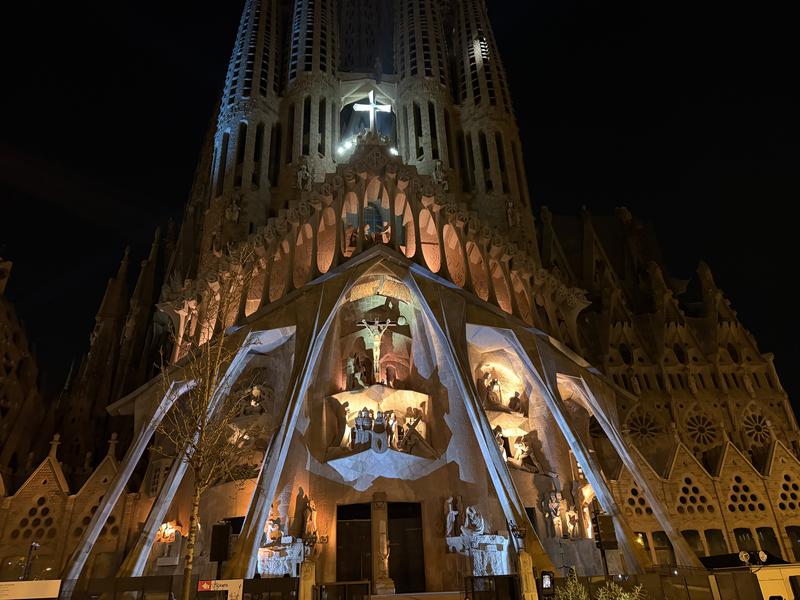

Antoni Gaudí, one of history's most celebrated architects, created most of his iconic works in Catalonia, where his distinctive style has become a defining feature of the capital Barcelona.
While landmarks such as the Sagrada Família and Park Güell are known around the world, many of Gaudí's other remarkable works also deserve a place on any itinerary.
The Güell Partnership
One of the most important relationships Gaudí cultivated throughout his career was with businessman Eusebi Güell.
Güell gave the architect countless opportunities to showcase his creativity and technical skill, commissioning several of the projects that would define Gaudí's career.
The first commission came in 1883 when Güell hired Gaudí to design the boundary walls, gates and stables for his estate, known as Finca Güell.
Construction began in 1884, and the famous dragon gate was completed in 1887.
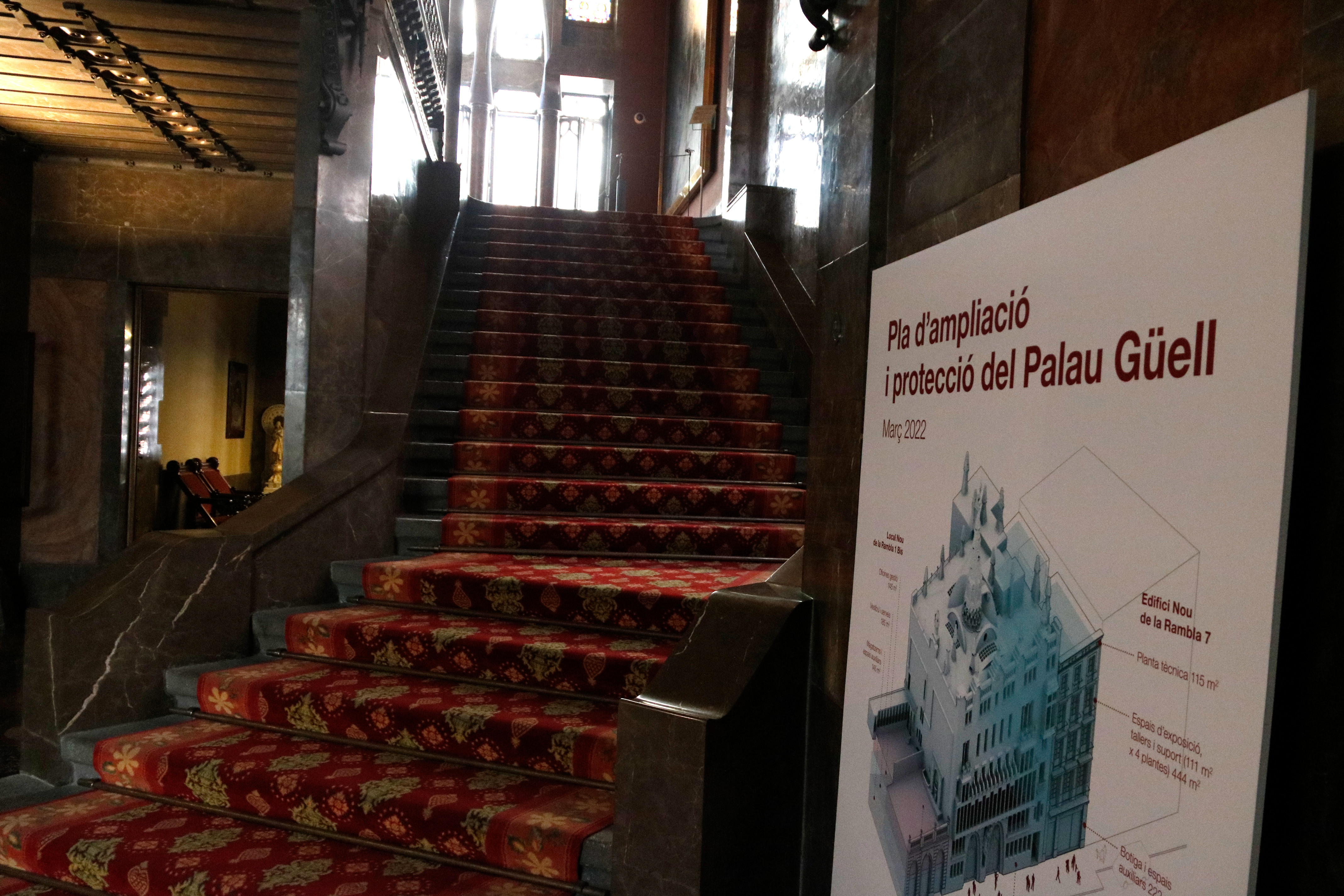
A few years after that commission, Güell commissioned Gaudí to build a family residence in Barcelona's Raval neighborhood.
Construction of the Palau Güell began in 1885 and was completed in 1890. The mansion became Gaudí's first major architectural achievement commissioned by Güell.
During the Spanish Civil War, the palace was seized by the Catalan government and used as police barracks. Today, it is a UNESCO World Heritage Site.
While Gaudí was finishing the palace, Güell presented him with another ambitious commission: a new church for Colònia Güell, the industrial village Güell built for the workers of his textile factory.
The growing population had outgrown its original church, prompting plans for a larger building. Gaudí was hired for the job and worked on it from 1898 until 1914.
Güell decided to stop financing the project, which forced construction to stop after only the crypt was completed, but the unfinished project is believed to be a testing ground for techniques used for the Sagrada Família. Today, the crypt is also a UNESCO World Heritage Site.
The final major collaboration between the two was Park Güell.
Beginning in 1900, Güell envisioned an exclusive residential development outside Barcelona, purchasing around 700,000 square meters of land.
Over 14 years, Gaudí designed the infrastructure and homes for a planned community consisting of 60 plots, but only two were ever sold.
Despite its commercial failure, the park became one of Barcelona's most recognizable landmarks, and a UNESCO World Heritage Site.
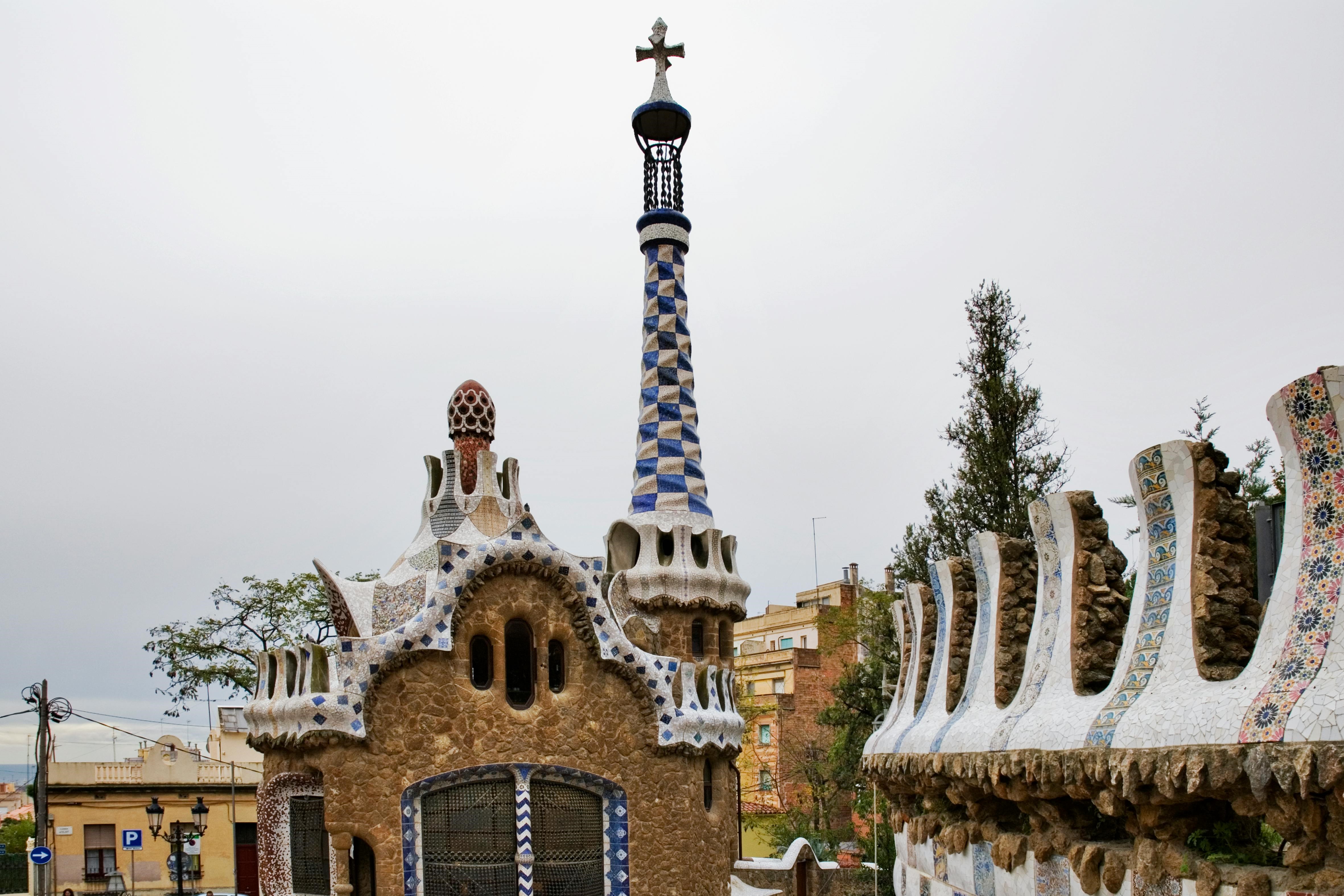
UNESCO World Heritage Sites
The same year he received the Finca Güell commission, Gaudí also began work on Casa Vicens, his first major independent project.
Commissioned by Manuel Vicens Montaner as a summer home, the residence was built between 1883 and 1888 and is widely considered Gaudí's first masterpiece.
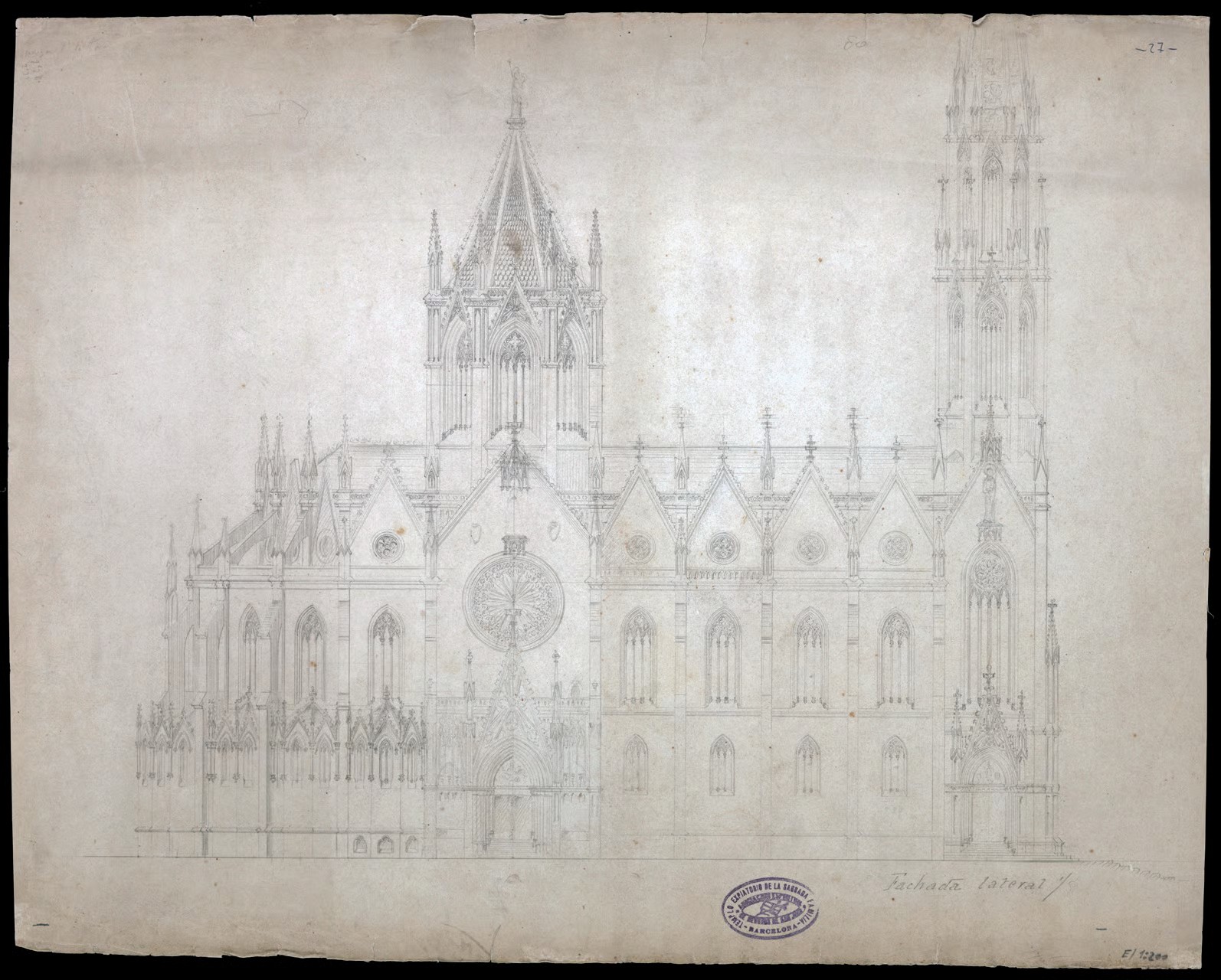
Also in 1883, Gaudí took over construction of the Sagrada Família after the original architect, Francesc de Paula Villar, resigned because of disagreements over costs and design.
Originally conceived as a Neo-Gothic church, the project was transformed under Gaudí into the organic, nature-inspired basilica recognized around the world today.
Gaudí devoted 43 years of his life to the Sagrada Família. By 1914, he had stopped accepting other major commissions to focus exclusively on the basilica.
Only one of the Nativity façade's bell towers was completed before his death in 1926. Construction continues today, nearly 150 years after work first began.
In 1904, Gaudí was commissioned by Josep Batlló to completely renovate an existing building into what is now Casa Batlló.
Completed in 1906, Gaudí was given complete artistic freedom and transformed the structure into one of Barcelona's recognizable landmarks.
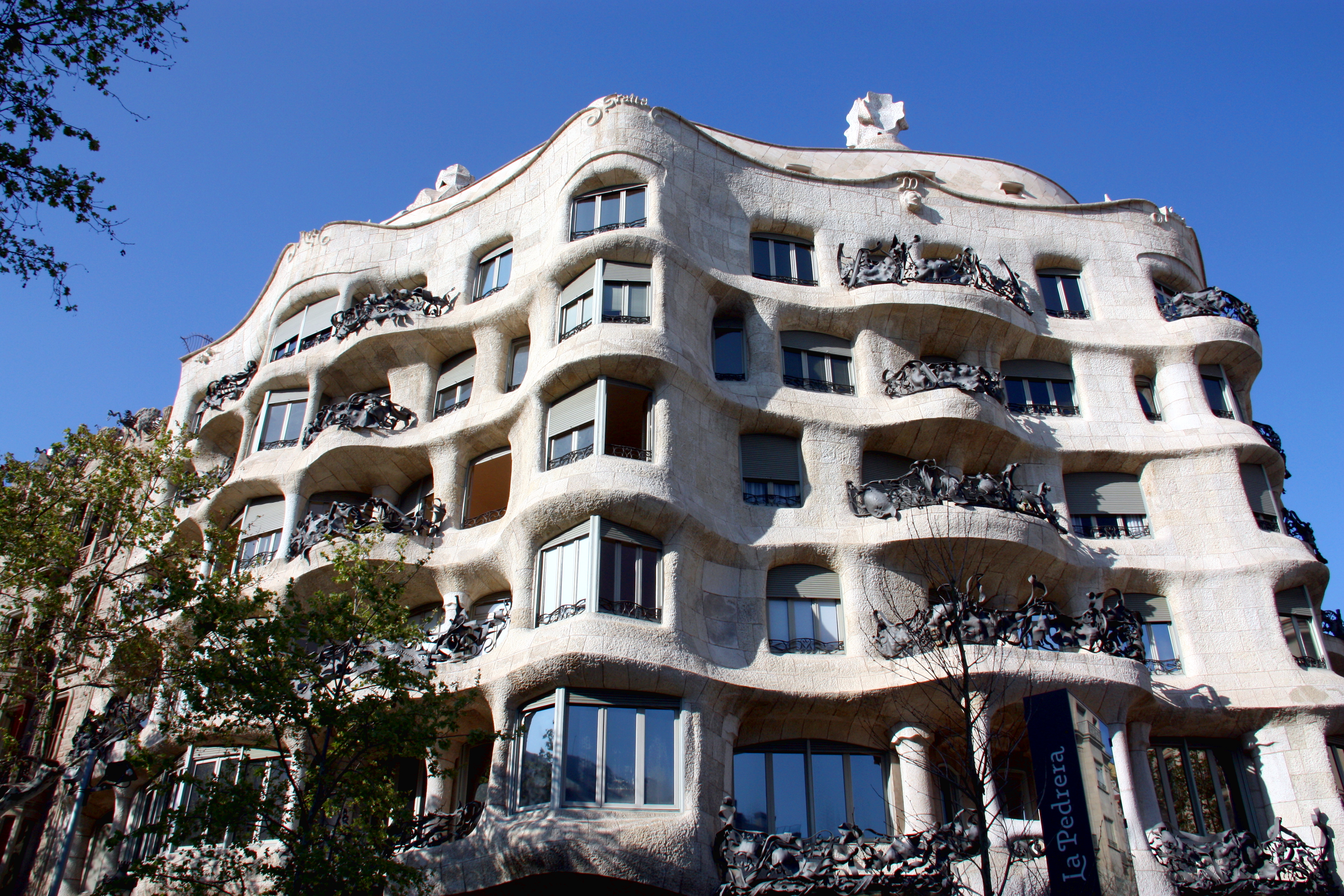
When that project ended, he began working on Casa Milà, also known as La Pedrera, his final major civil project.
Commissioned by the Milà family in 1906, disagreements between Gaudí and the owners prevented some elements of his original vision, particularly for the rooftop, from being realized.
Other Works in Catalonia
Just two weeks after graduating from the Barcelona School of Architecture, Gaudí began work on his first building, Nau Gaudí de Mataró.
Commissioned by his friend Salvador Pagès in 1878, the project was intended to support a workers' cooperative for the textile industry.
Gaudí finished working in 1885, and although only part of the original development was completed, the surviving warehouse remains the architect's earliest standing building.
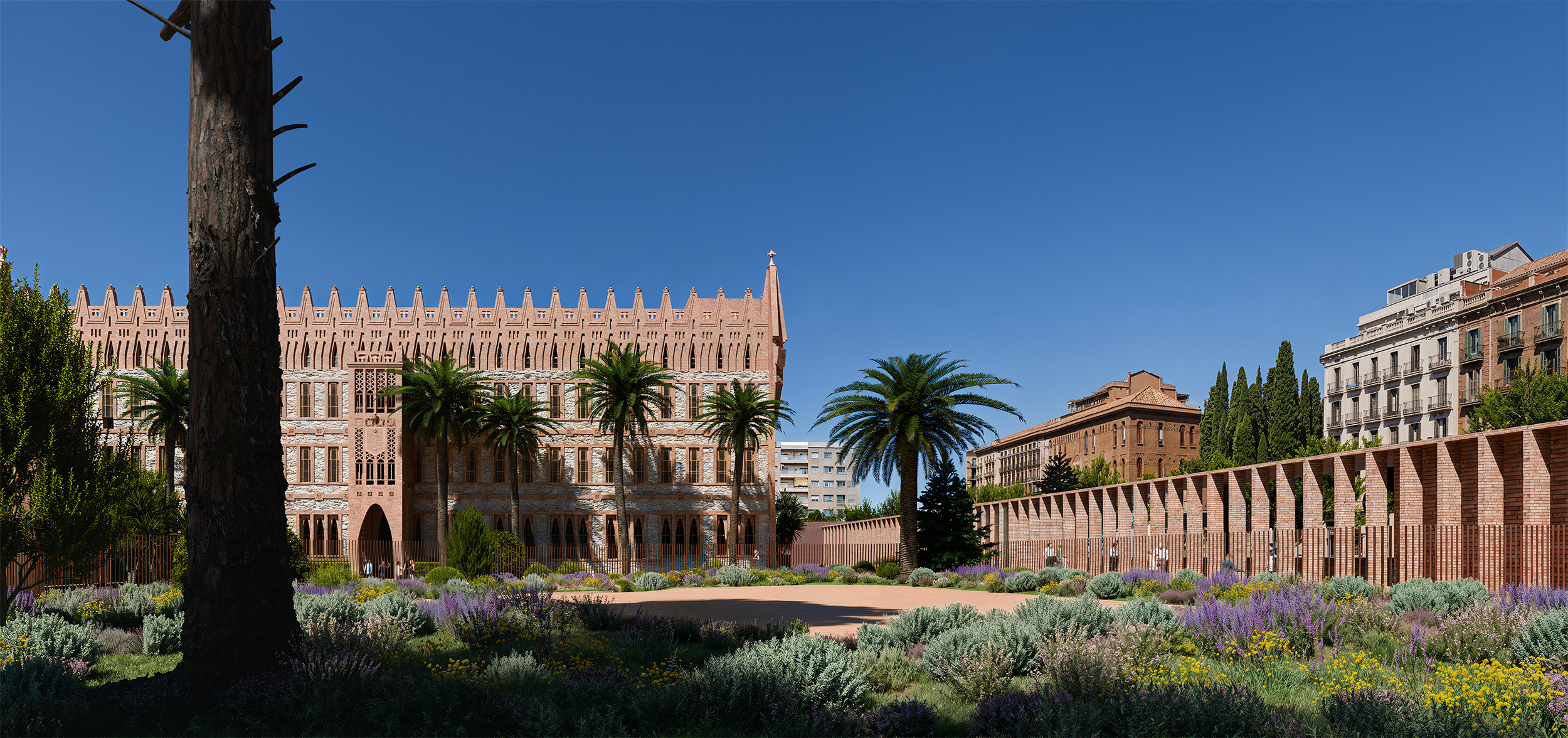
In 1888, despite already overseeing several large projects, Gaudí accepted the commission to complete Col·legi de les Teresianes after another architect had begun construction.
His deep religious faith influenced his decision to take on the modest project, which was completed in 1890. The school continues to operate today.
Nearly a decade after starting the Col·legi, Gaudí designed Casa Calvet for the heirs of textile manufacturer Pere Màrtir Calvet.
Starting in 1897, the building was completed in 1899 and received Barcelona City Council's Best Building Award in 1900.
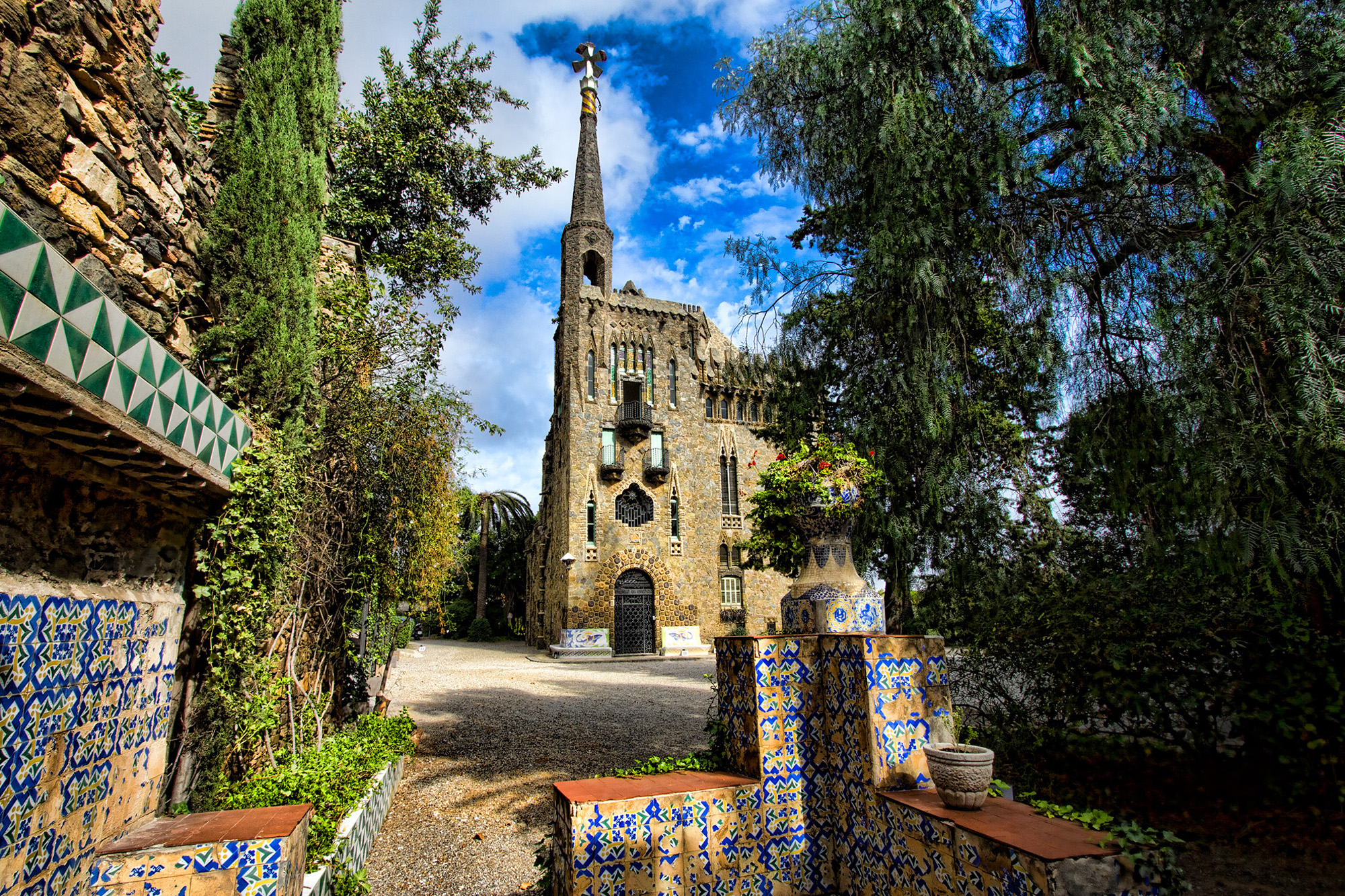
That same year, 1900, work began on Torre Bellesguard for María Sagués, widow of industrialist Jaume Figueras, a friend of Gaudí's.
Built on the site of a former royal residence associated with King Martin the Humane, Gaudí incorporated medieval influences into the design. The building was completed in 1916, though Gaudí abandoned the project in 1909.
In 1901, Gaudí also designed the Finca Miralles, a gate and wall for industrialist Hermenegild Miralles, another connection made possible through Eusebi Güell.
The gate for Güell's friend was completed in 1902.
Beyond Catalonia
As Gaudí's reputation spread, he received commissions outside Catalonia.
His first was El Capricho in Comillas, Cantabria, commissioned by Máximo Díaz de Quijano through Güell's familial connections.
Built between 1883 and 1885, it was the first private residence Gaudí designed outside Catalonia.
In 1887, Gaudí accepted the commission for the Episcopal Palace of Astorga after a fire destroyed the previous episcopal residence.
Following the death of Bishop Joan Baptista Grau i Vallespinós in 1893, Gaudí abandoned the project, although construction was eventually completed in 1914.
His final work outside Catalonia was Casa Botines in León, commissioned in 1891 by two textile merchants with business ties to Güell.
Originally designed as both a warehouse and Gaudí's first apartment building, Casa Botines was completed in 1892.