New exhibition in Barcelona's Picasso Museum explores artist’s connection to architecture
Exhibition proposes a new look at the artist beyond just as a painter or sculptor
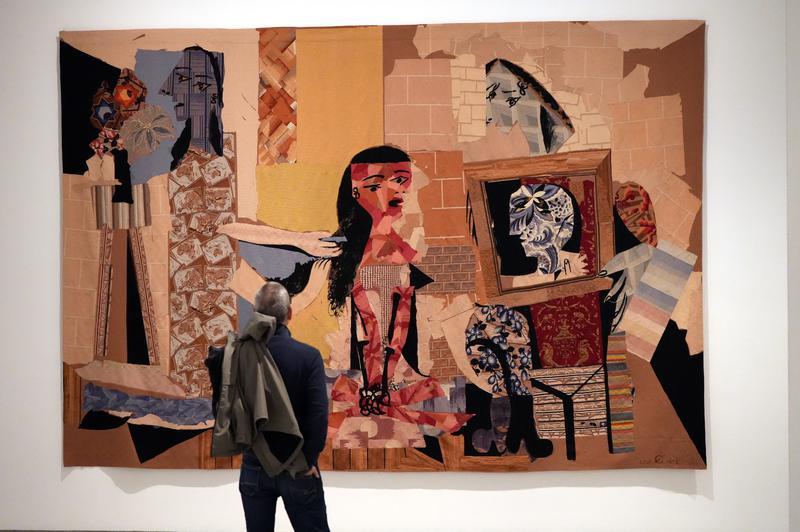

The Picasso Museum in Barcelona opens "Picasso and Architecture" on Friday, a new exhibition that explores the relationship between Pablo Picasso and architecture.
The exhibition, curated by Enrique Granell, Emmanuel Guigon and Maisa Navarro, is part of events for Barcelona's designation as the World Capital of Architecture for 2026. It features paintings, photographs, documents, books and projects and runs until March 7.
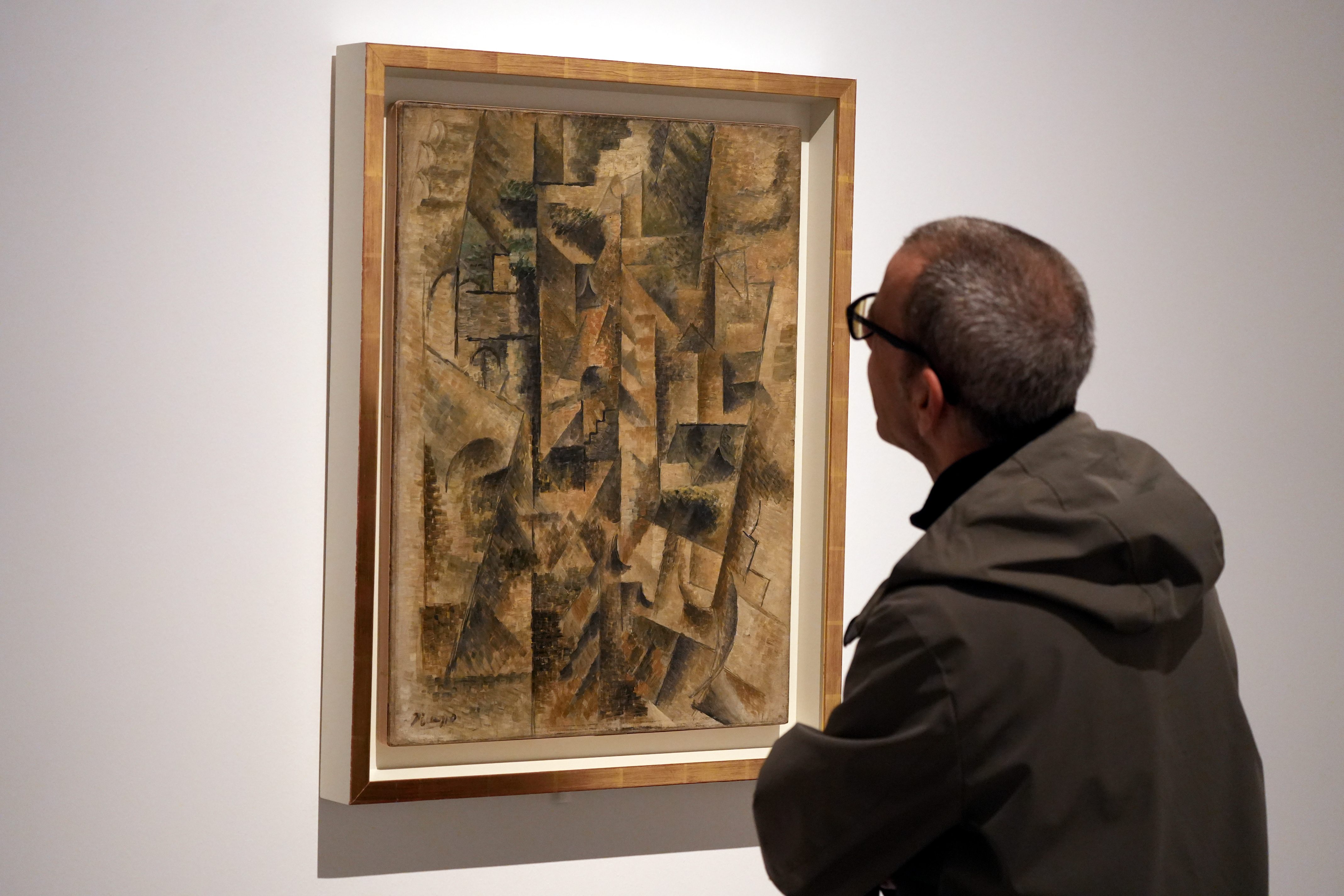
Granell, an architect, told Catalan News Agency (ACN) that Picasso "possessed an ability to imagine the world through planes, lines, and cross-sections, a process that is fundamentally architectural in nature."
He said Picasso devised "a way of representing the world where volumes, planes, and lines took precedence in defining form, something architects immediately recognized, sparking a revolution in modern architecture."
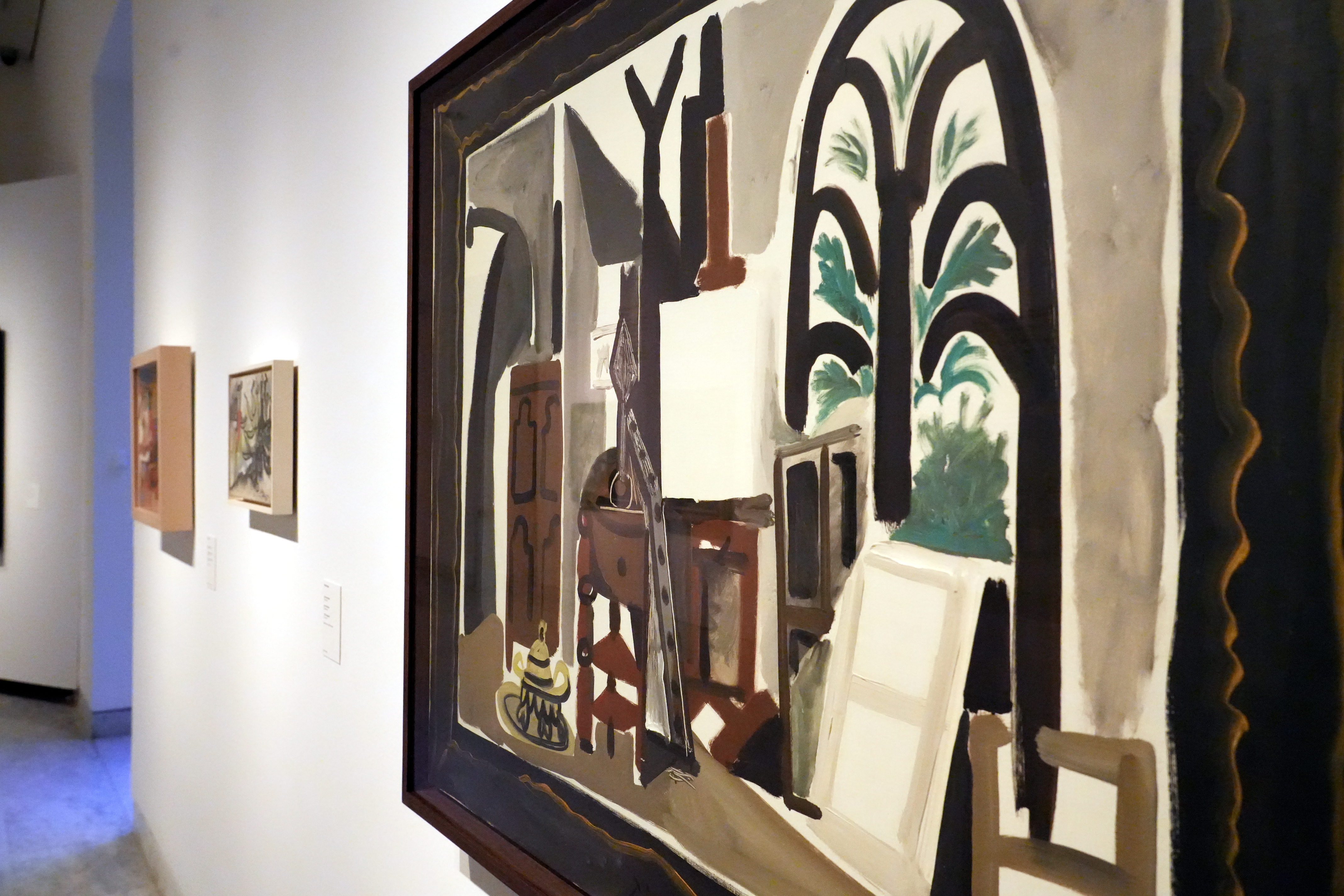
The museum said that although Picasso did not practice as an architect, he changed how space is conceived and represented. His explorations, especially from Cubism onward, challenged traditional perspective, which until then had shown objects from a single viewpoint.
The exhibition is organized around six themes: Picasso and architectural space, urban visions, interiors, cages of space, the synthesis of the arts, and Picasso and Le Corbusier.
It opens with Working (1971), one of Picasso's last self-portraits, painted shortly before his death, in which he portrays himself as an architect holding a pair of compasses and drawing geometric figures.
Other works include Landscape at Céret (1911), The Studio (1955), a double page with two photographs from Man Ray's Mathematical Objects series, and a photograph by José Vaamonde of Guernica displayed alongside Alexander Calder's Mercury Fountain.
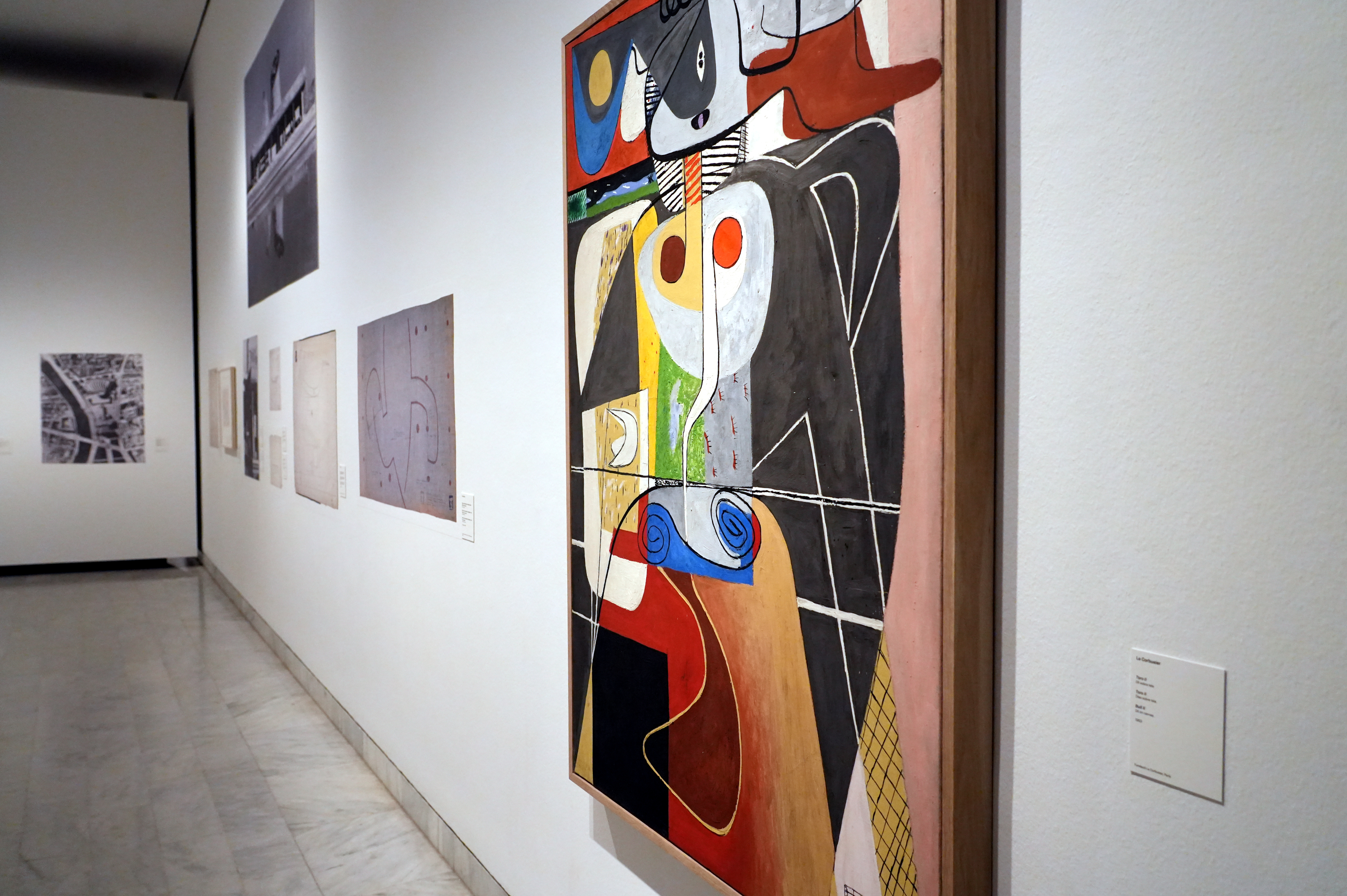
Asked about Picasso's relationship with Le Corbusier, Granell said Picasso was famous long before the architect, who "always followed in the wake of Picasso's discoveries."
"We could say that Le Corbusier was a 'Picassian' painter and architect, but the reverse is not true," he said. "Le Corbusier drew more from Picasso than Picasso did from Le Corbusier."
The exhibition includes Le Corbusier's "Plate No. 1" from the Unité album and an image of the Chapel of Notre-Dame du Haut in Ronchamp.