MNAC will bid farewell to secular works from Sixena Monastery after 66 years
Transfer of works begins on Tuesday, as museum assures they will arrive without "a single alteration"
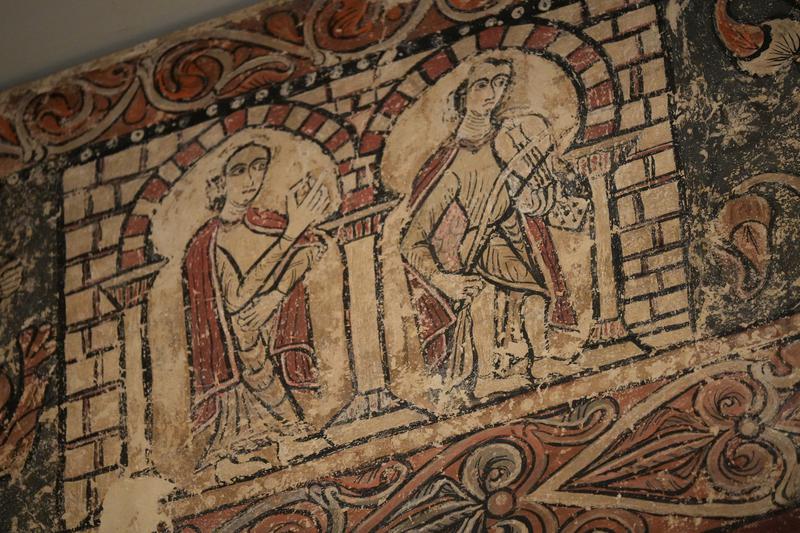

The secular works from the Monastery of Sixena arrived at the National Museum of Art of Catalonia (MNAC) in 1960. Now, 66 years later, the process of relocating them is set to begin.
This Tuesday marks the start of the process, and the operation is expected to conclude by December 2, pending a ruling from the Supreme Court.
On May 28, 2025, the Supreme Court upheld the ruling ordering the MNAC to return both the chapter house murals and the secular paintings to Vilanova de Sixena.
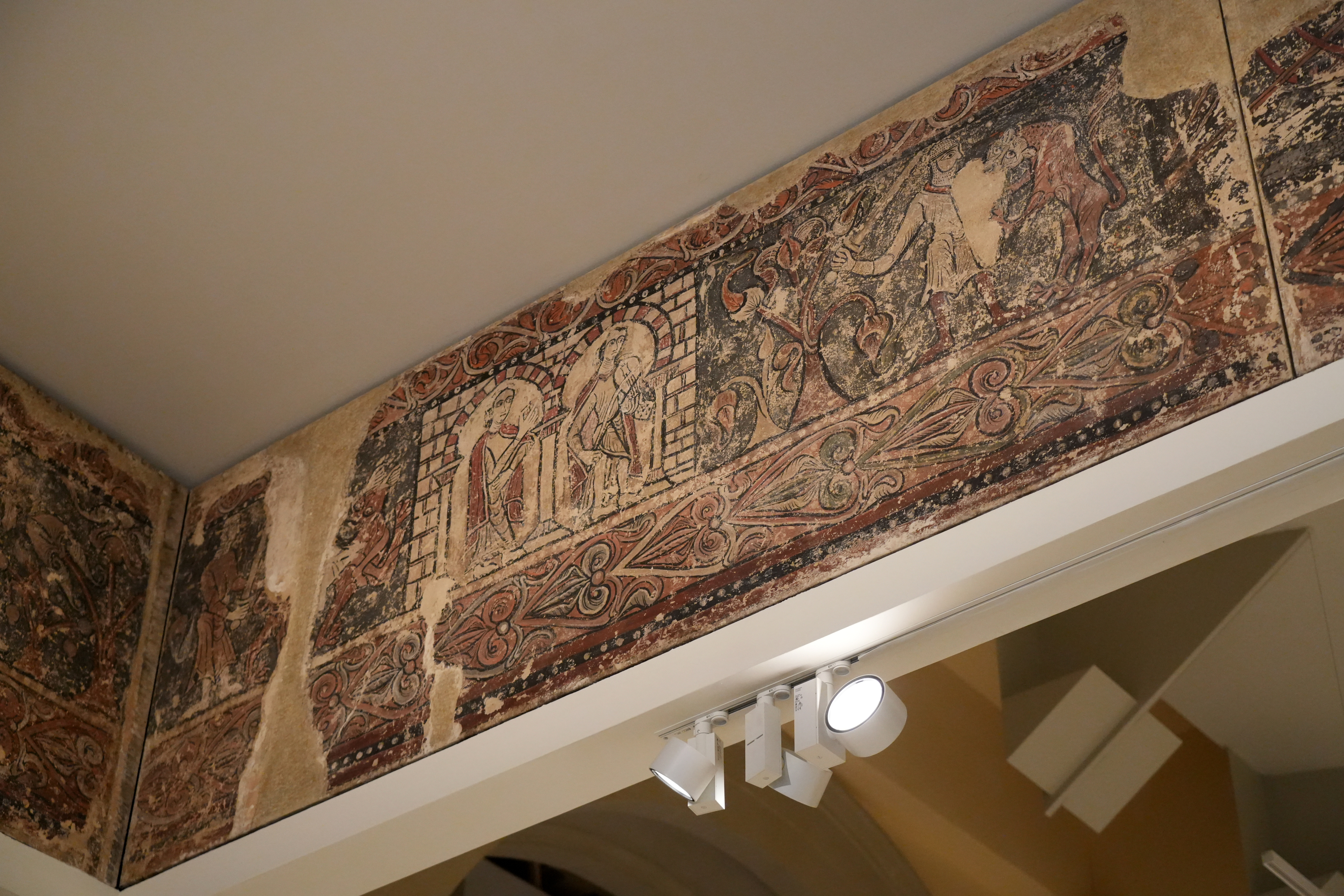
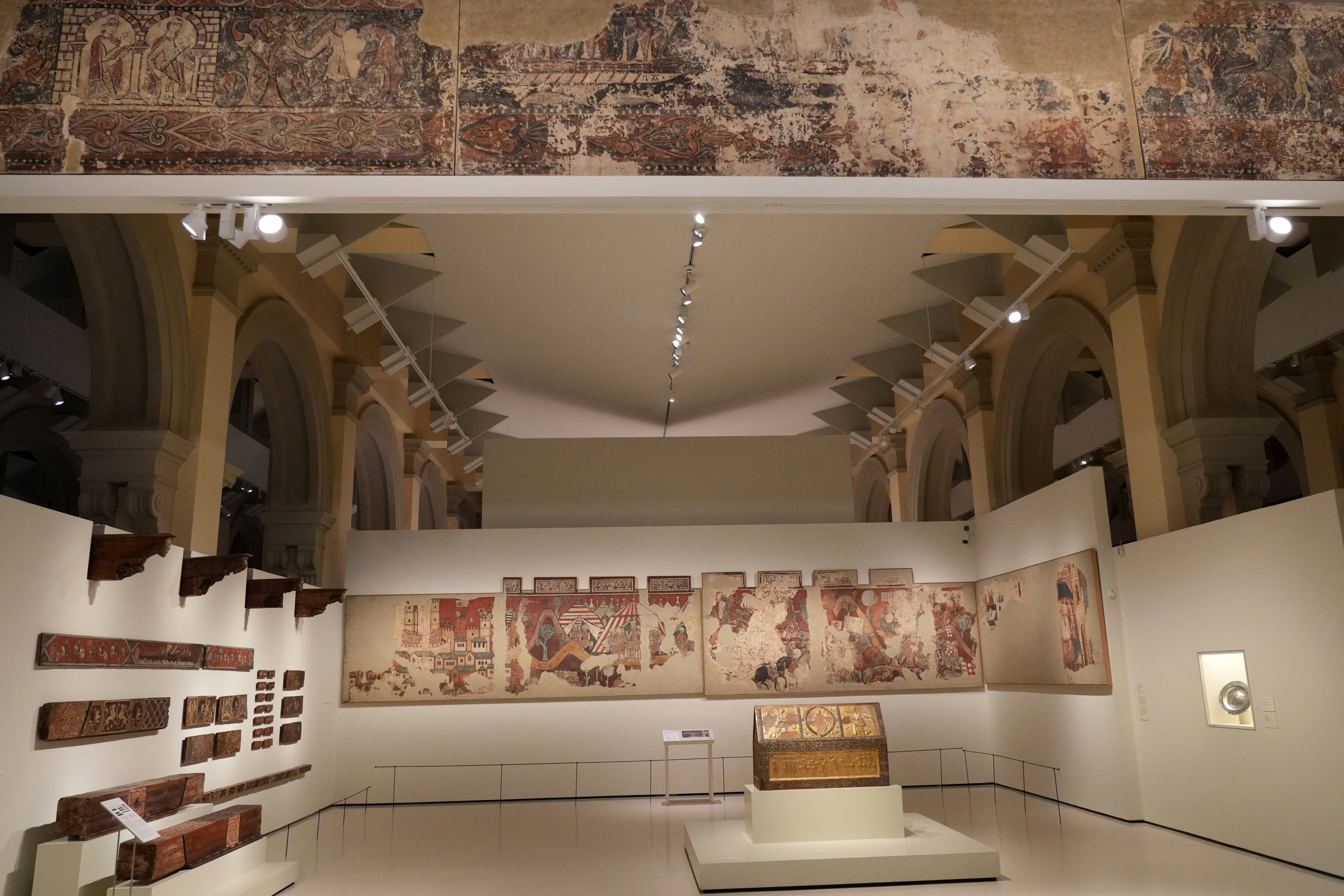
However, unlike the murals from the Sixena chapter house (located in Room 16 of the MNAC), the secular paintings (located in Room 17) are not receiving opposition for their relocation by Catalan technical experts.
Room 17 is expected to house a team consisting of the museum’s own conservators and restorers, staff from the contracted firm, and two conservators representing the Government of Aragon to aid in the moving of the works.
The operations will begin with the deinstallation of the works, followed by the moving of them within the museum to a specially prepared area. At the same time, technicians from the National Museum will prepare the artworks for transport and create a photographic record.
This will be followed by the packing of the artworks, under the supervision of the National Museum’s technicians, the loading of the pieces at the National Museum for transport, and the transport of them from the National Museum to the Monastery of Santa Maria de Sixena.
Once arrived, the pieces will be unloaded and placed in their assigned spaces, where they will remain for a specified acclimatization period.
Pepe Serra, director of the MNAC, said that because the works are in a much more stable state of preservation and on rigid wooden supports, they will be moved without "a single alteration."
Serra stated that while the paintings have never been the property of the museum, the institution has "cared for, preserved, and showcased" them.
"They have been on the global map, this is the place in the world that has seen the highest number of Romanesque art experts pass through."
For this reason, Serra hopes that whoever receives them will be "capable of caring for them, maintaining them, making them accessible, and promoting them."
Mar Vaquero, Vice President and Minister of the Presidency, Justice, Culture, and Sports for the Government of Aragon, stated that these artworks "will be given a proper, dignified placement and installation, so that all the people of Aragon, and anyone else wishing to visit the Monastery of Sixena, can see them."
Vaquero expressed her firm conviction that the same will happen with the mural paintings, "without a doubt, the mural paintings currently in Room 16 of the MNAC will return to the Monastery of Sixena."
The Government of Aragon will begin restoration work on the secular paintings from Sixena once they arrive at the monastery on December 2, with plans to put them on display in the early months of 2028.
Upon their arrival, the paintings will be temporarily stored in the hall of the former dormitories, where they will undergo analysis, conservation, and cleaning. Subsequently, the Government of Aragon intends to exhibit the works at the entrance of the monastery.
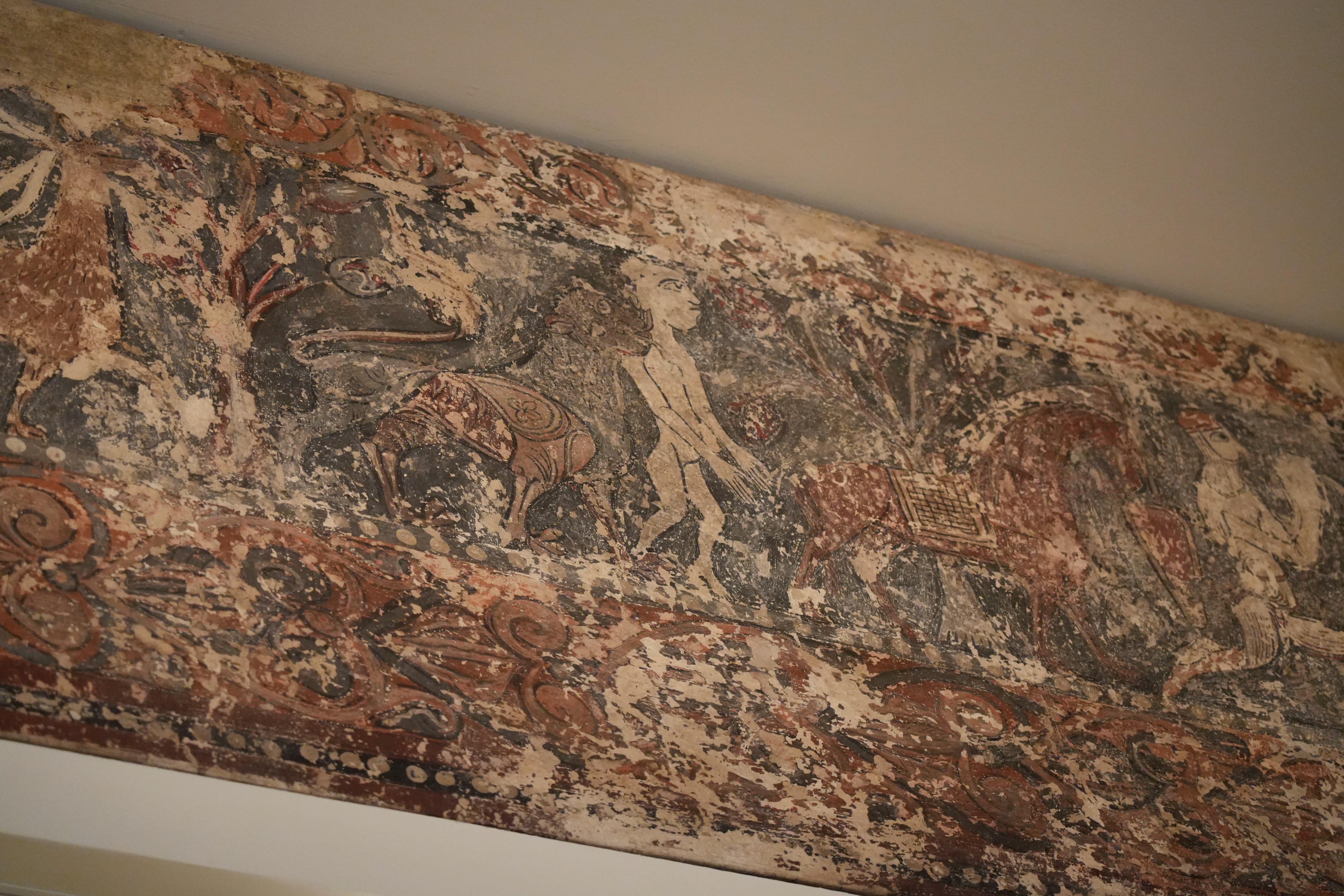
The paintings
Although the secular paintings had been exposed to the elements since 1936, they did not suffer fire damage, unlike the wall paintings in the chapter house.
The secular works were moved to Barcelona in 1960 and were placed in the care of the MNAC by the community of nuns from the Monastery of Santa Maria de Sixena. The paintings from the chapter house had been transported there in 1936.
The secular works consist of eight paintings of varying dimensions. Originally created in the 13th century using the 'fresco' technique, they were detached in the 1960s, transferred onto canvas, mounted on a wooden and plaster structure and sent to the MNAC.
They originated from the Monastery of Santa Maria de Sixena, where they decorated the upper sections of the walls in a rectangular room located between the church and the cloister.
The wall paintings in Room 16: A different approach
Following a long legal back-and-forth last June for the transfer of the Sixena paintings to Aragon, a new ruling upholds the timeline established by the judge last April.
Originally the Huesca court dismissed an appeal filed by the MNAC. The appeal had challenged a ruling that set a 56-week deadline, ending in May of next year, for the handover of the Sixena paintings to Aragon.
In her new order, the magistrate notes that the feasibility of dismantling, transporting, and reinstalling the paintings had already been analyzed during the legal proceedings, a process subsequently ratified by the Supreme Court.
She further responds to the MNAC by stating that it is "inadmissible to attempt to reopen the debate" during the enforcement phase of the judgment.
Regarding short-term risks, the MNAC assesses the level of risk associated with preparatory work and site conditioning as "critical," the risk involved in the fragmentation and dismantling process is also deemed "critical."
Regarding packing and loading, the risk is moderate-to-high; for road transport, the risk level is moderate; and as for unloading, unpacking, and reinstallation, it has not been possible to conduct an assessment.