Catalonia grants highest heritage status to Civil War archive rescue diary
112-page document records wartime efforts to save thousands of meters of archival material
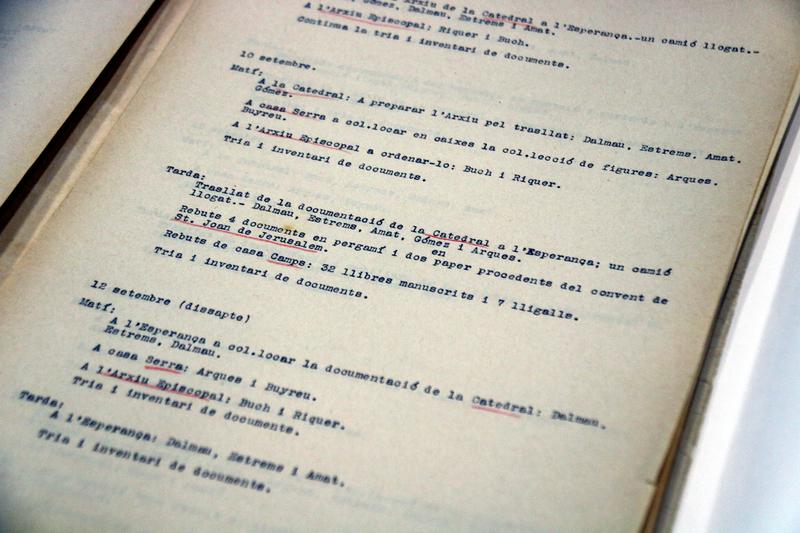

The Catalan government has declared the 112-page diary documenting the rescue of Catalonia's archives during the Spanish Civil War as a Cultural Asset of National Interest (BCIN), the highest level of heritage protection in the region.
The diary, preserved by the National Archive of Catalonia, records in detail the work carried out between July 31, 1936, and May 28, 1938, by Agustí Duran i Sanpere and his team to safeguard public and private documentary collections.
It is the first 20th-century document to receive BCIN status.
According to Enric Terradellas, head of the administration's collections area at the archive, the operation involved the relocation of an estimated 20 kilometers of paper documents and 150,000 parchments, spanning municipal, religious, notarial, guild, and other archival records.
"They did a tremendous job in very difficult times," he said, noting that materials were moved by truck across Catalonia during the war.
National Archive director Pilar Cuerva said the diary reflects an unusually early commitment by the Republican-era administration to cultural protection.
"From the very beginning they acted in a pioneering way in Europe," she said, pointing out that the first entry was made just days after the start of the conflict.
She also described the document as a "map" of Catalonia's archival landscape before wartime destruction.
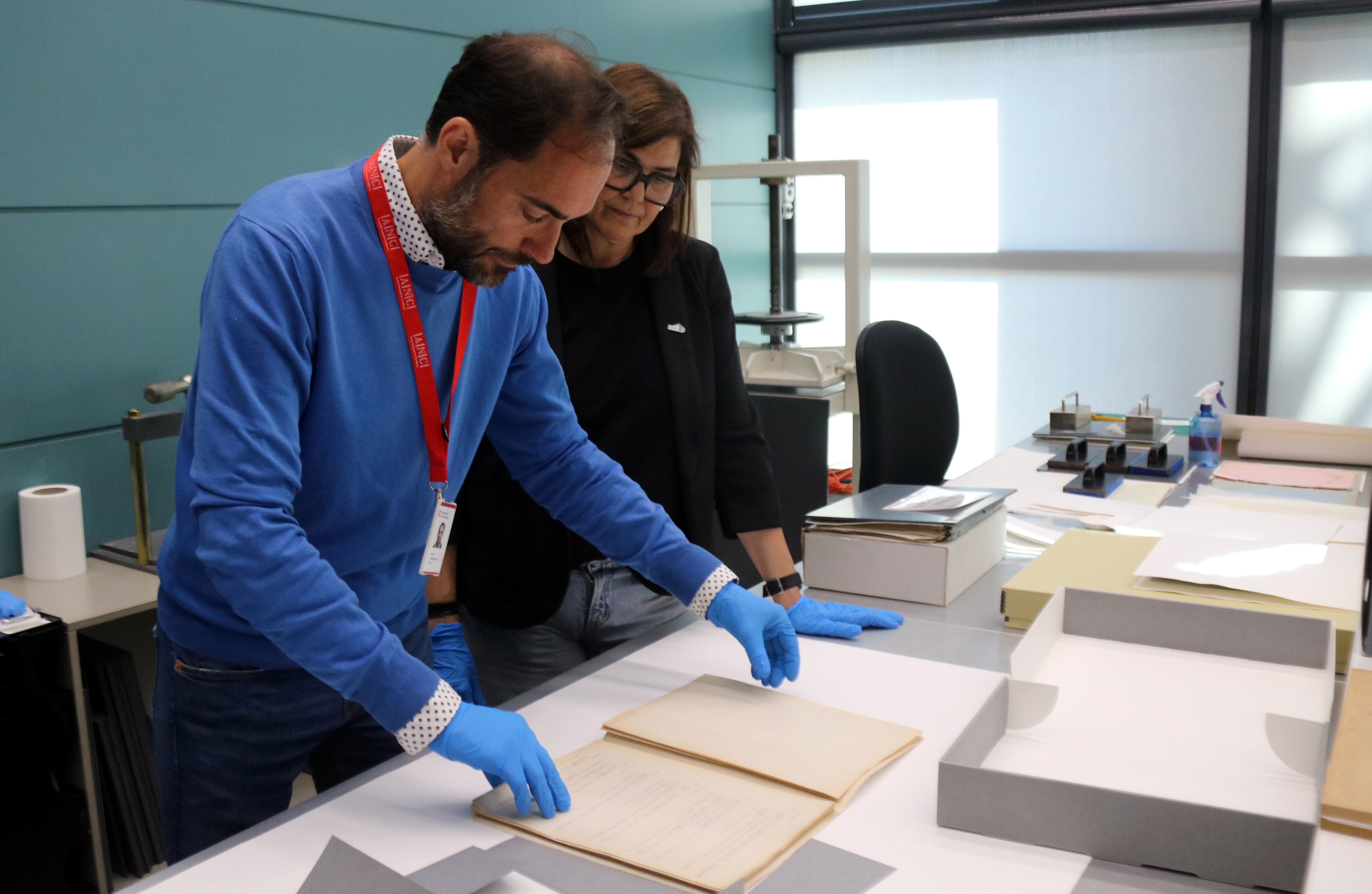
The diary itself consists of 112 pages, 92 typewritten and 20 handwritten, and meticulously logs daily operations: field trips, inventories, transfers, and the securing of collections.
It reflects the work of the Archives of the Rescue of Historical, Artistic, and Documentary Heritage of Catalonia, which operated across the territory under wartime conditions.
Duran's team relied on local informants to identify at-risk collections. Materials deemed safe were left in place, while others were packed into specialized crates and transported to secure locations, including the Monastery of Pedralbes in Barcelona.
Terradellas noted that while many documents were lost during the war, the effort preserved vast amounts of material that would otherwise have been destroyed.
Following the end of the war, authorities under the early Francoist regime undertook efforts in 1939 to return protected collections to their original owners, with the collaboration of Agustí Duran i Sanpere while he was under a purge and court-martial.