Casa Batlló's last original Gaudí residence restored and opened to public for first time
Resplendent 440m2 space restored at cost of €4 million, now open to rent for private events
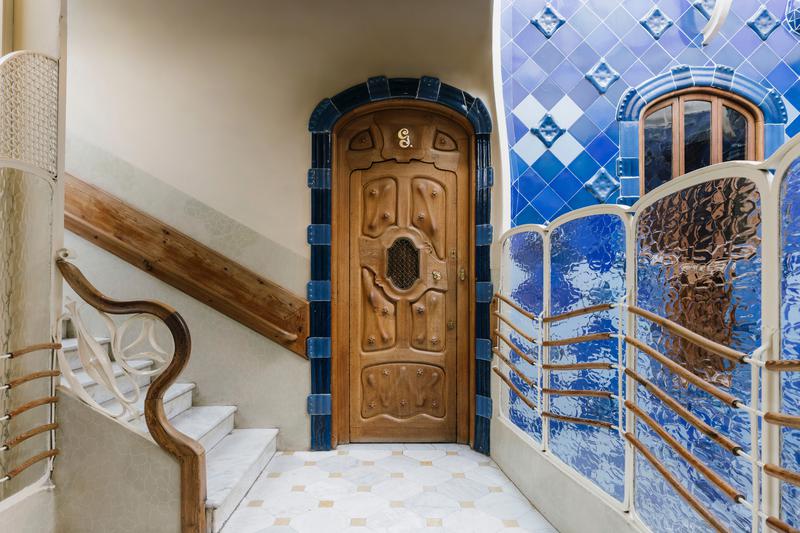

Casa Batlló has opened its third floor to the public for the very first time on Monday.
For more than a century, the space was the last private residence in the world heritage site building, where the direct descendents of the Batlló family lived, until the last of the family lineage passed away in 2019.
Now, after a four-year and €4 million restoration process, done and at all times with respect for and in dialogue with Gaudí’s original design, the space opens up, available for hire for private events.
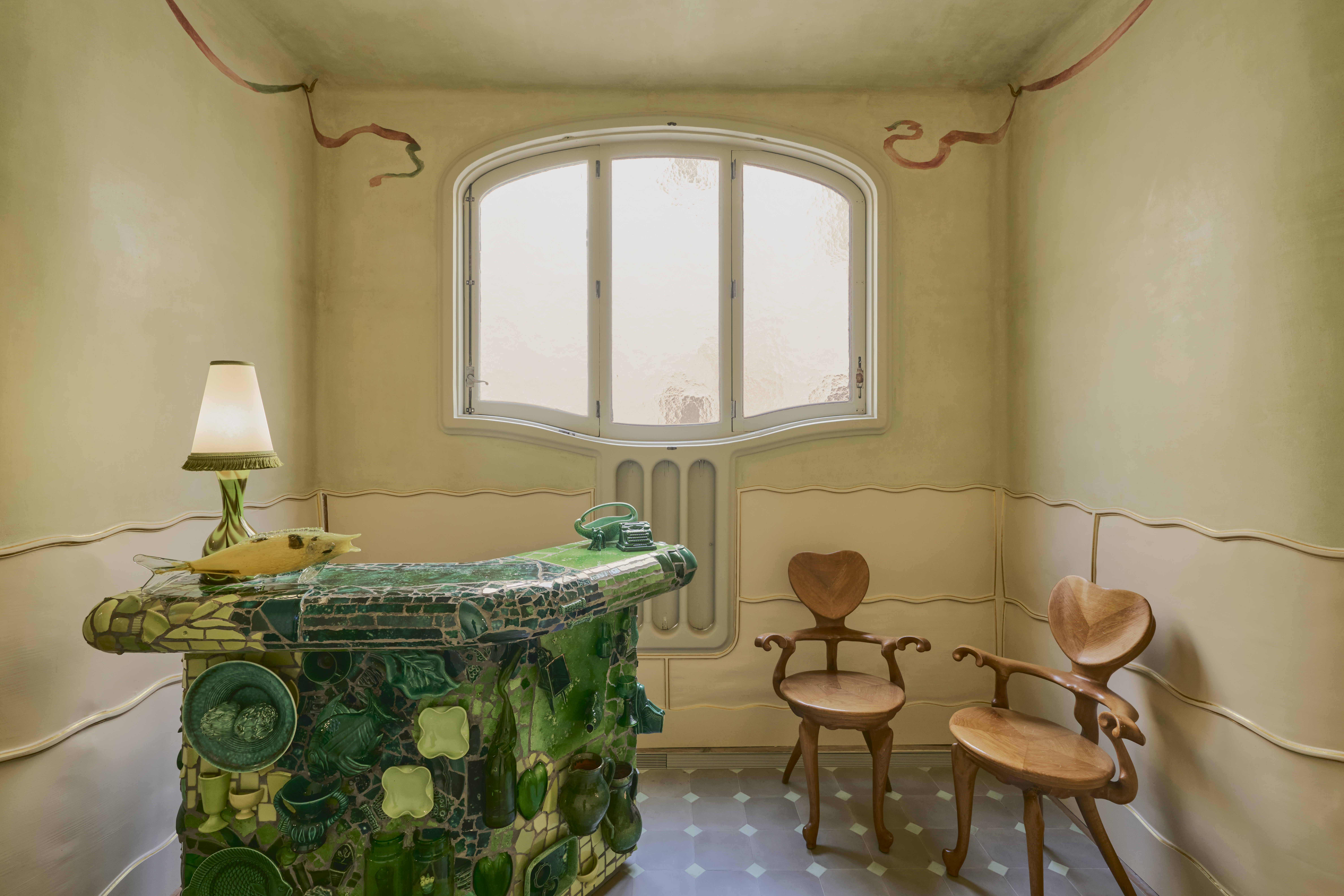
The rooms are packed with bespoke hand-crafted furnishings, with unique details created especially for this space, from exquisite chandeliers, lavish rugs, marvellous tables, and charming ornaments abound. Each room also boasts great ventilation and natural light throughout.
Unlike the other floors, the third floor is the only residence that has survived to this day with an exceptional degree of authenticity, preserving intact the essence of the domestic life conceived by Antoni Gaudí at the beginning of the 20th century.
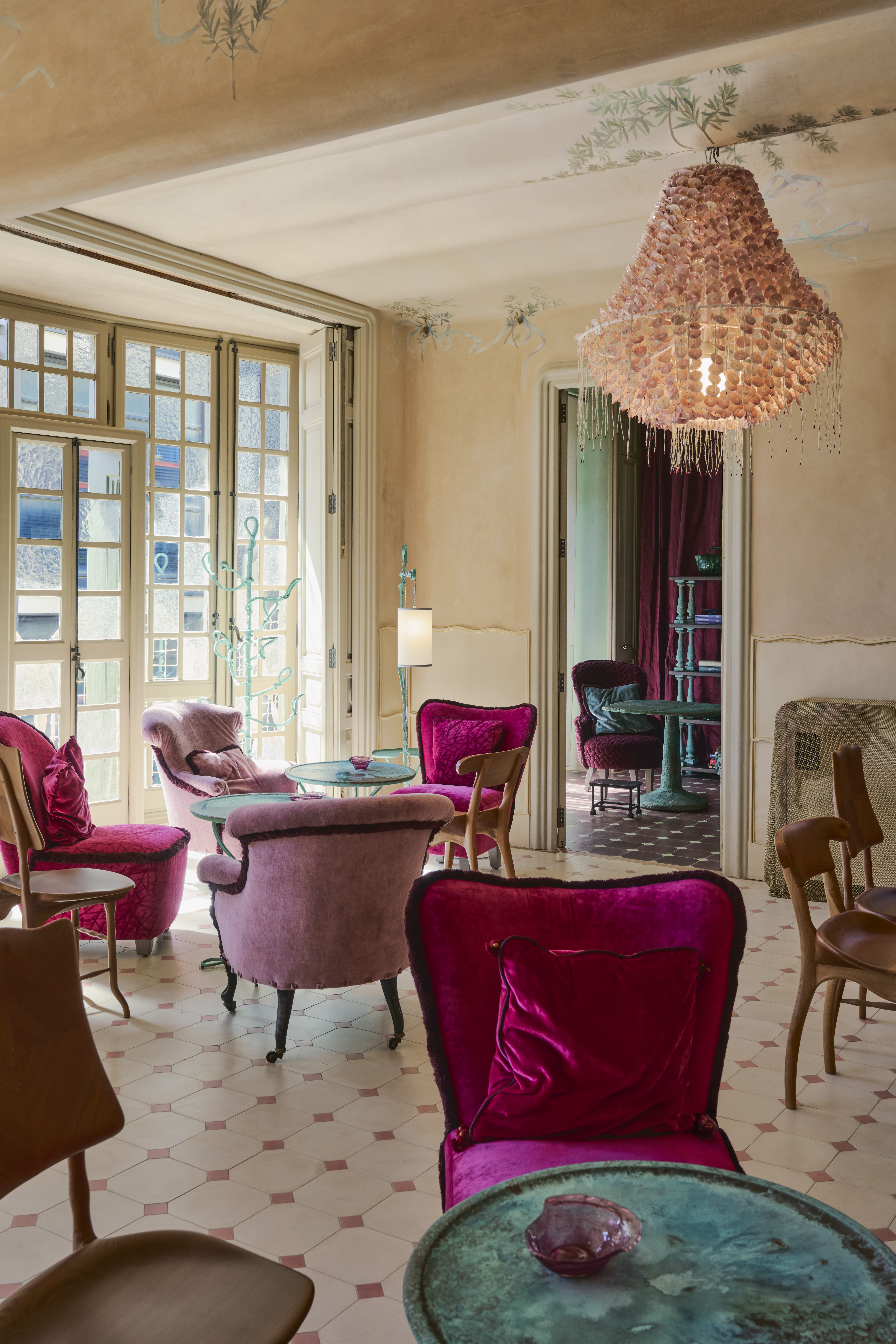
The space space will host private meetings, celebrations, presentations, and gastronomic experiences in an intimate setting that fosters a direct relationship with the architecture. Organizers say this new use of the space responds to a growing trend in Barcelona and internationally, the search for unique, authentic spaces with history for exclusive gatherings.
In this context, the third floor, which does not form part of the museum circuit, is configured as a set of private rooms where any type of event can be tailored, at a price of €200 per hour per space.
Restoration process
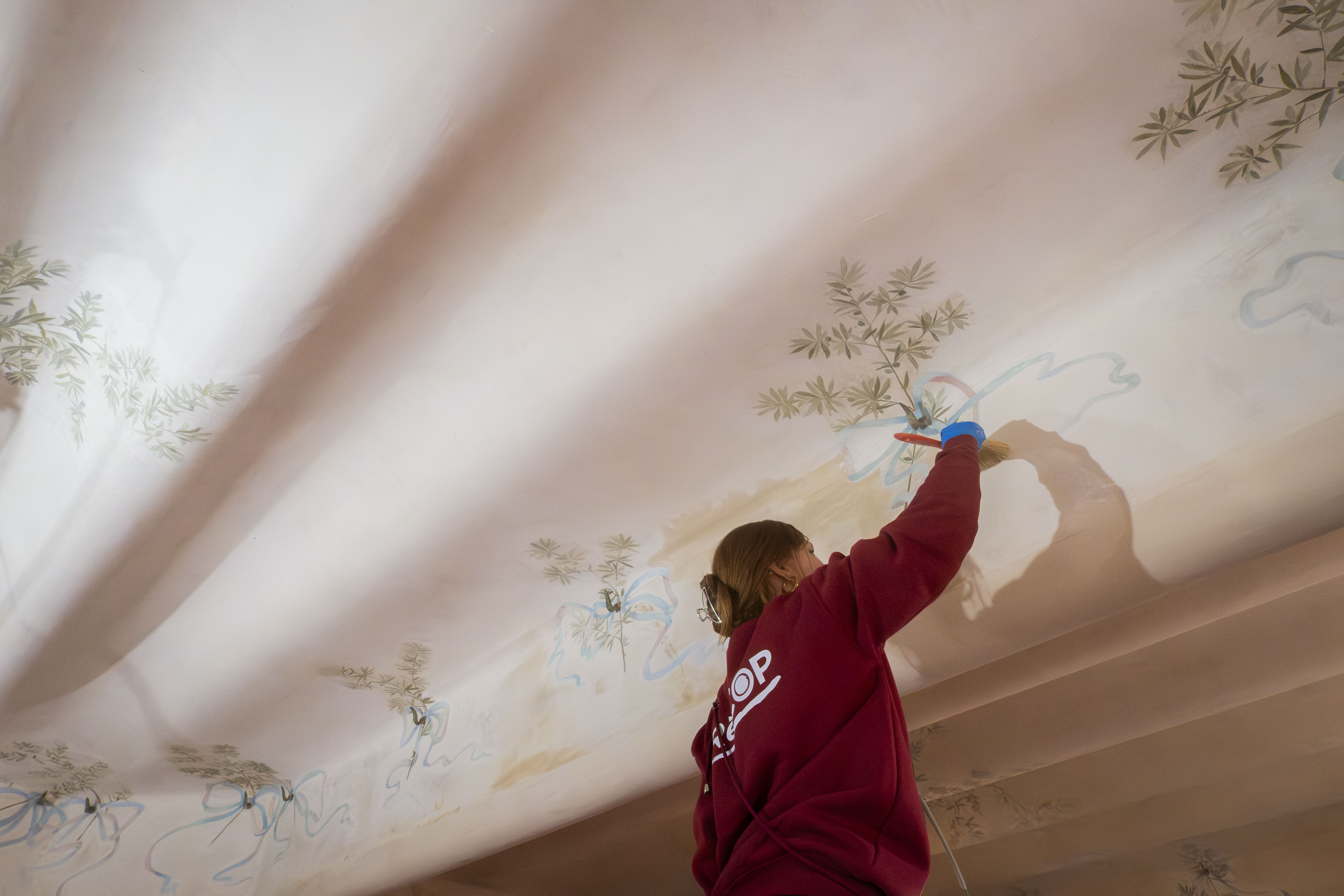
The renovation of this space came after three years of an archaeological-style restoration.
Multiple layers added throughout the 20th century were stripped back, revealing the original 1906 architecture, remarkably intact beneath these interventions.
Xavier Villanueva, the lead restoration architect on the project, explained that the result was a rigorous recovery of the original structure. Woodwork, stuccoes, flooring, and construction systems conceived by Gaudí have been restored or faithfully replicated using artisanal techniques.
Among the most significant discoveries are decorative elements hidden for over a century, such as stuccoes with floral motifs, as well as the recovery of the original undulating ceilings.
Interior design
Builing on top of the restored base, Italian designer Paola Navone, from OTTO Studio, was tasked with adding a second layer that did not seek to dominate, but to inhabit the space through a domestic logic.
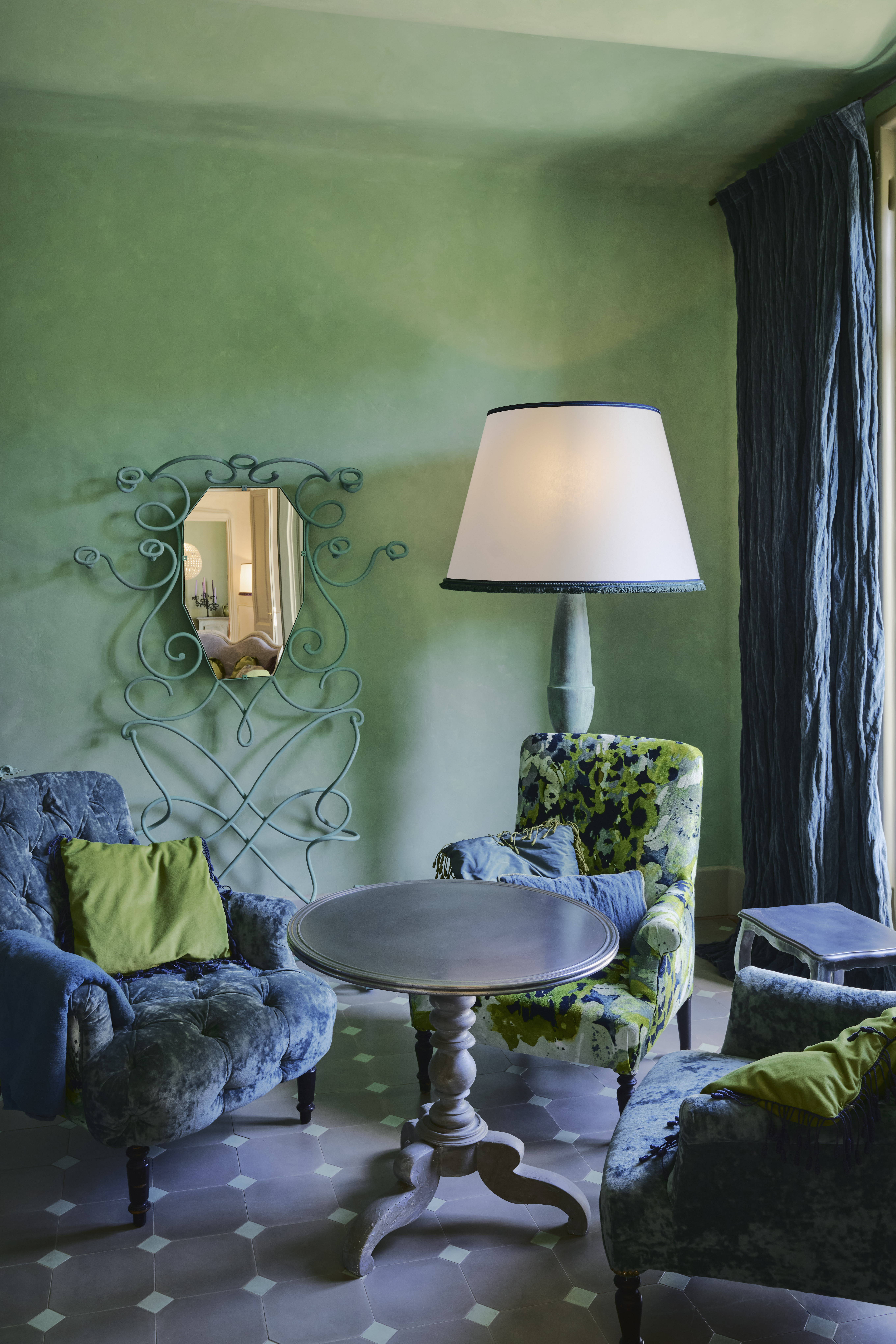
Her proposal adopts an openly eclectic approach, based on mixing, contrast, and layering. Developed with absolute respect for the pre-existing structure, without altering essential elements, her design combines furniture, objects, and artisanal pieces from diverse contexts.
These elements coexist to create unexpected dialogues, adding character and depth. Colour, materiality, and attention to detail reinforce the identity of each room, conceived as a small story within a coherent narrative.