Book club boom: 20,000 readers, huge demand, wait lists
Over 1,100 active groups across libraries, bookstores, and social media-led initiatives
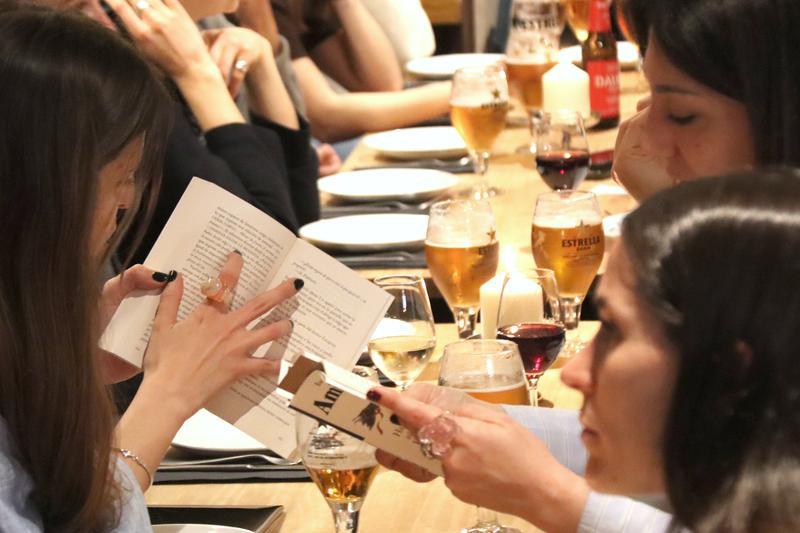

Barcelona's book clubs are booming and getting into one is no longer a guarante.
Demand for reading groups has doubled over the past decade, with more than 20,000 registered participants in the city's library network last year. The surge has been fueled not only by public libraries, but also by new initiatives coming from bookstores and social media.
"If you don't sign up the same day, you'll be left without a spot," says Pilar, a participant in the 'Books Banned in the USA' club.
The number of book clubs has increased by roughly 85% since 2016, according to data from the Barcelona Provincial Council. Back then, about 650 clubs were active across the region’s library network, while last year, that number climbed to 1,130.
Membership has increased in kind, from around 10,500 registered participants in 2016 to more than 20,500 today.
Learning Catalan through reading
Among the diversity of clubs available are beginner Catalan reading groups, offered in about 40 libraries and organized with the Consortium for Linguistic Normalization, dedicated to promoting the use, knowledge, and dissemination of the Catalan language.
Laura Collado, who coordinates one of these clubs, describes it as "a good tool" for learning the language. Sessions focus on reading aloud and discussing texts, encouraging participants to share their perspectives and personal experiences.
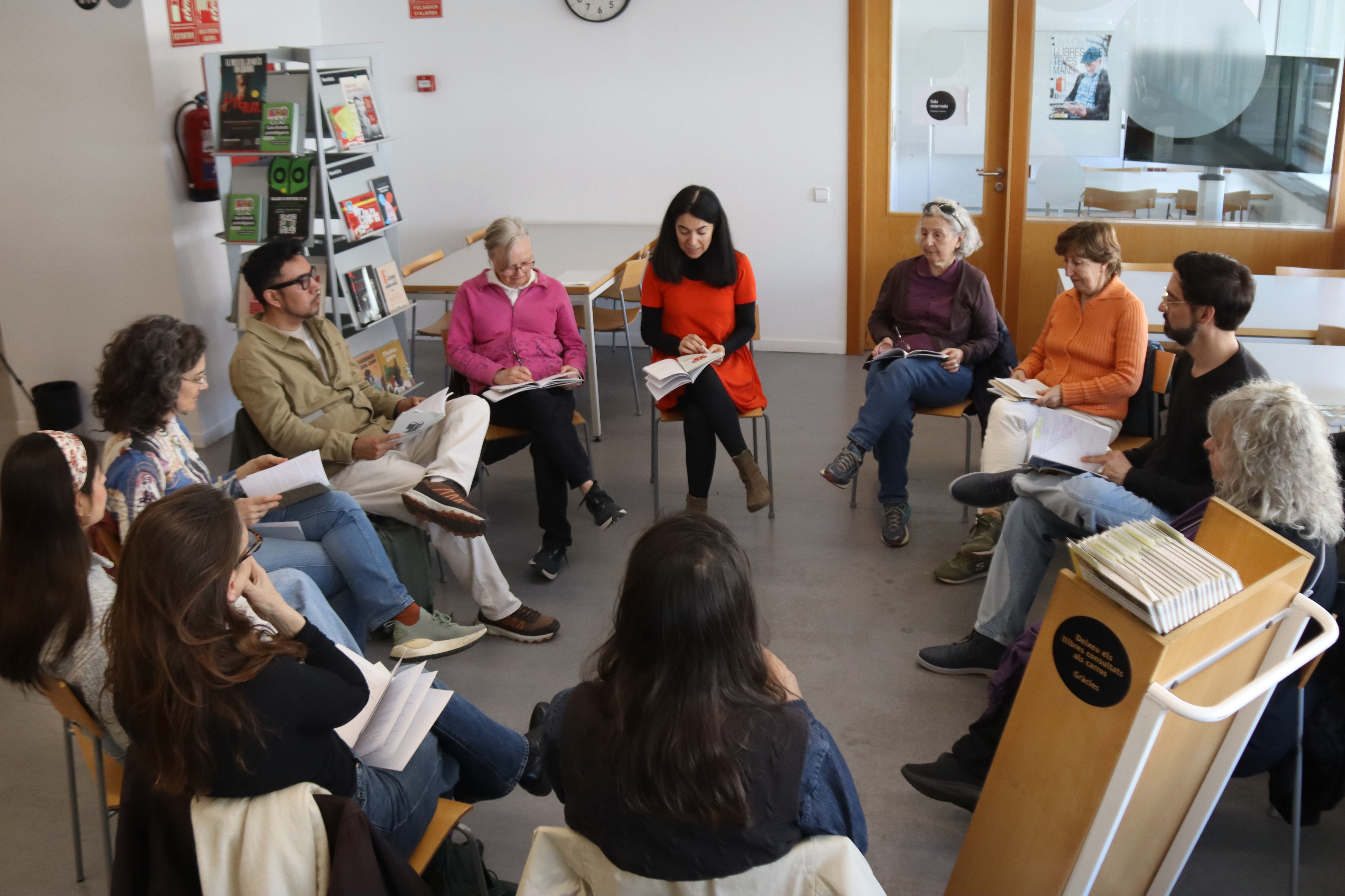
"We promote a love of reading, not just grammar or spelling," she says, noting that conversations often become more fluid and personal over time.
Participants work with accessible texts for language learners, alongside adapted classics like 'Madame Bovary' and 'Around the World in Eighty Days'. According to Collado, these readings often motivate participants to later try the original versions.
For many, the clubs provide a rare space to practice Catalan. Asunción, who moved to Barcelona more than 50 years ago, says she went years without speaking the language and now uses the sessions to improve.
Naomi, originally from London, finds the reading club "a good opportunity to talk about topics we enjoy and meet people from different countries."
Enrique, who arrived from Mexico in 2018, agrees, noting that reading helps him practice what he describes as "a very beautiful language."
Banned books and contemporary debates
Beyond general reading groups, libraries are also experimenting with themed clubs. One of them focuses on books that were banned in the United States, led by literary critic Iris Llop.
Participants read and discuss titles removed from schools and libraries in the United States, including 'The Handmaid's Tale', 'I Know Why the Caged Bird Sings', and 'Giovanni's Room'.
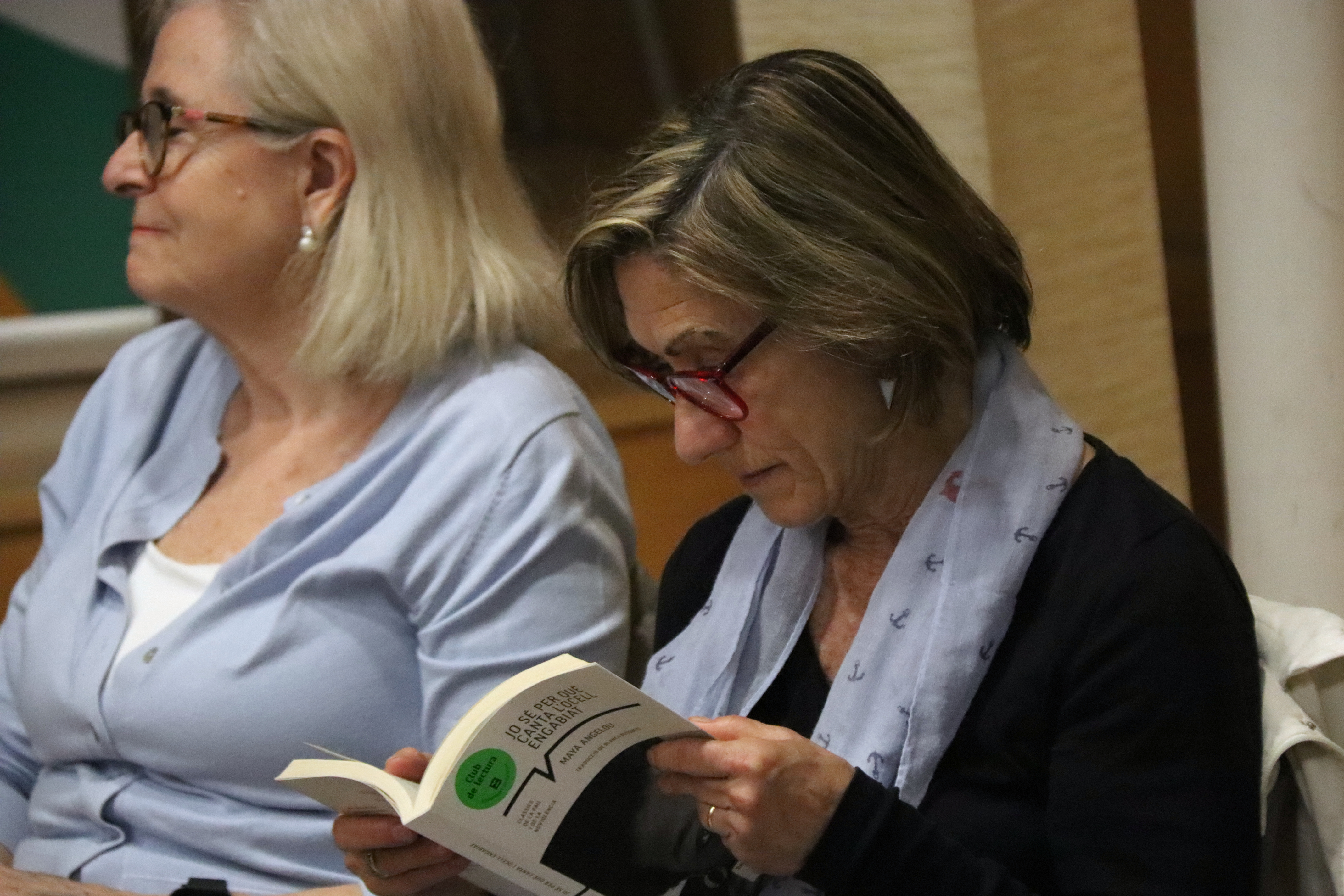
After a session on Margaret Atwood's novel, Llop notes that many participants were familiar with adaptations but were surprised by the original text. Discussions often extend into political and social reflection.
For readers like Carme, who joined her first book club after retiring, the discussions are a key motivation. "You read more deeply," she says, explaining that other perspectives can change how a book is understood.
From libraries to literary dinners
'La Sobretaula', founded by sisters Carlota and Helena, is an independent initiative born on social media bringing together literature and gastronomy through shared dinners and brunches.
"We're blown away," says Carlota. "At first we were scared, and now there's a waiting list."
The concept is inspired by the Spanish habit of 'sobremesa', referring to the time spent lingering at the table after a meal, when conversation continues long after the food is finished.
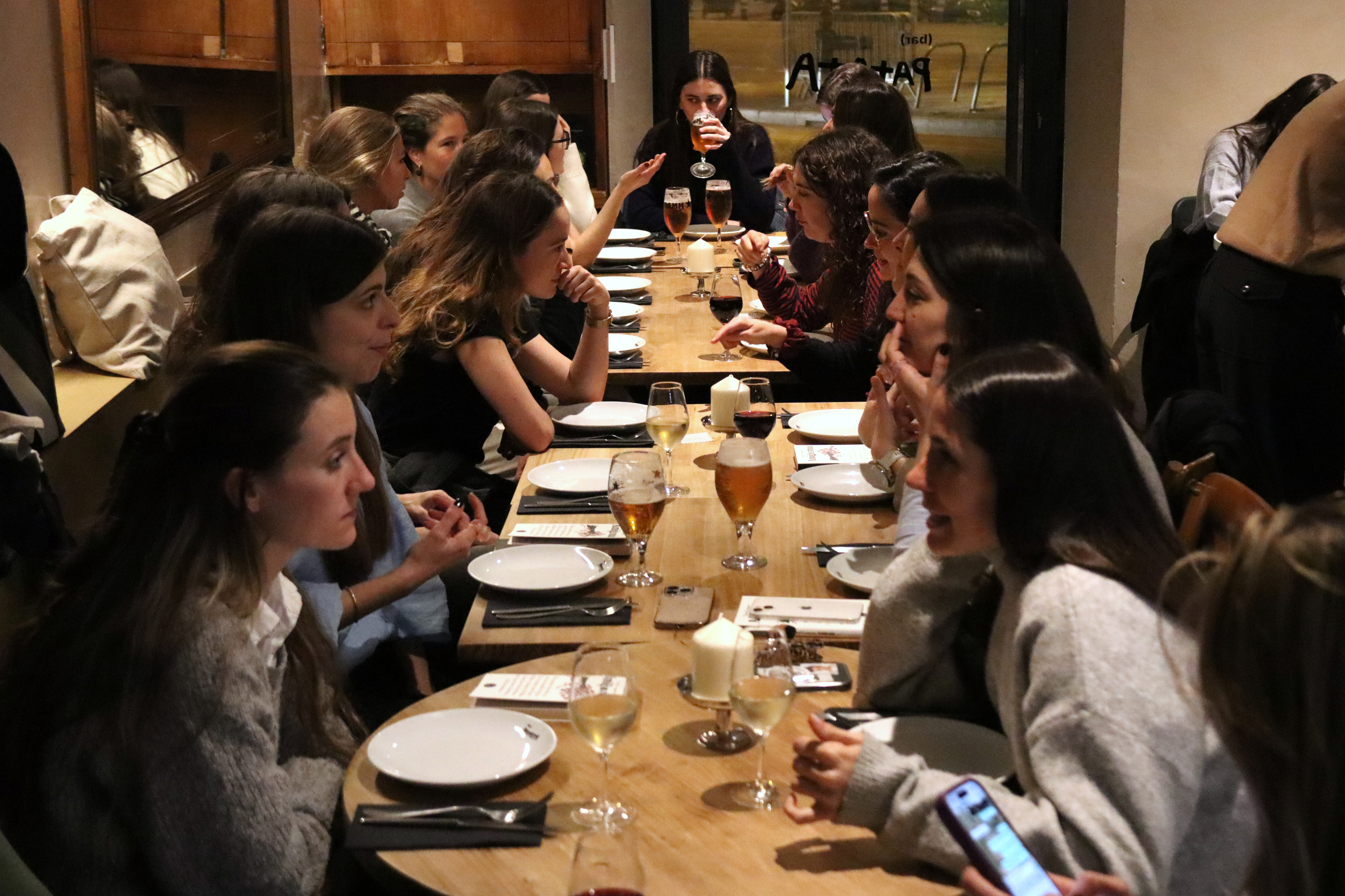
Each month, the group organises a gathering in a restaurant with 30 to 40 places per event. Tickets typically sell out the day they are released. So far, 14 dinners have been held, with brunches now added to the format.
"It's a very nice initiative, mixing food and literature," says bookseller Irene Jaume, who has moderated one of the sessions.
Thousands of sessions each year
Barcelona's provincial library network hosted more than 13,000 book club sessions last year. In total, there were 1,130 active clubs, each holding an average of 12 sessions annually with around 11 participants per meeting.
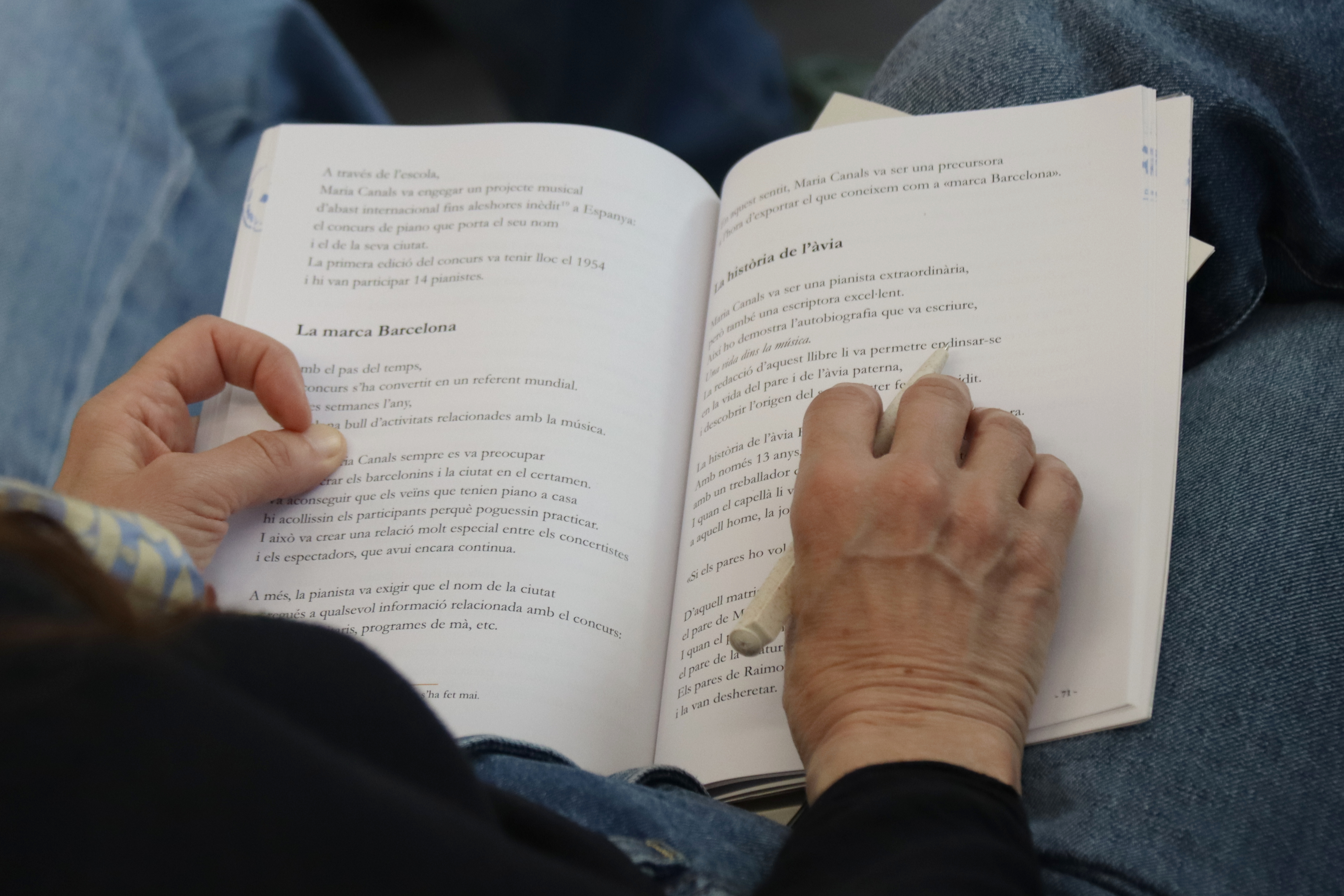
Children's book clubs accounted for about a quarter of the total, with 280 groups and nearly 5,500 registered participants attending over 3,200 sessions.
Adult clubs make up the majority, with 850 groups and around 14,700 members participating in nearly 10,000 sessions, totaling more than 116,000 attendees.
Virtual expansion
In 2020, the Catalan Library Service launched virtual reading groups in response to the pandemic, and they have continued to attract users ever since through a hybrid format combining live discussions with asynchronous participation.
Since then, thousands of users have joined across different library networks, including Barcelona, Catalonia-wide services, and municipal libraries in cities such as Tarragona and Lleida.
The format has allowed reading communities to grow beyond physical spaces, maintaining discussion-based participation online.