Barcelona's Teatre Regina to close after 38 years: 'It's gentrification, the cultural version'
Director Mariona Campos laments lack of protection for building and theatre project
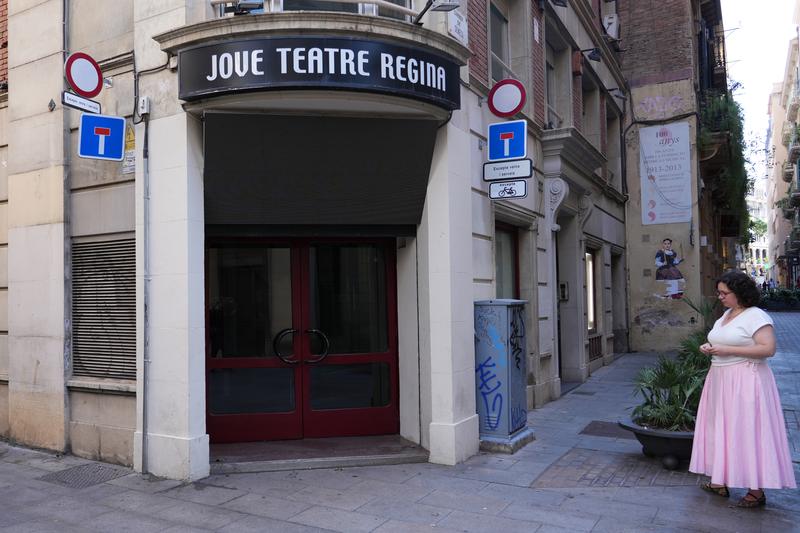

Mariona Campos is facing a deadline.
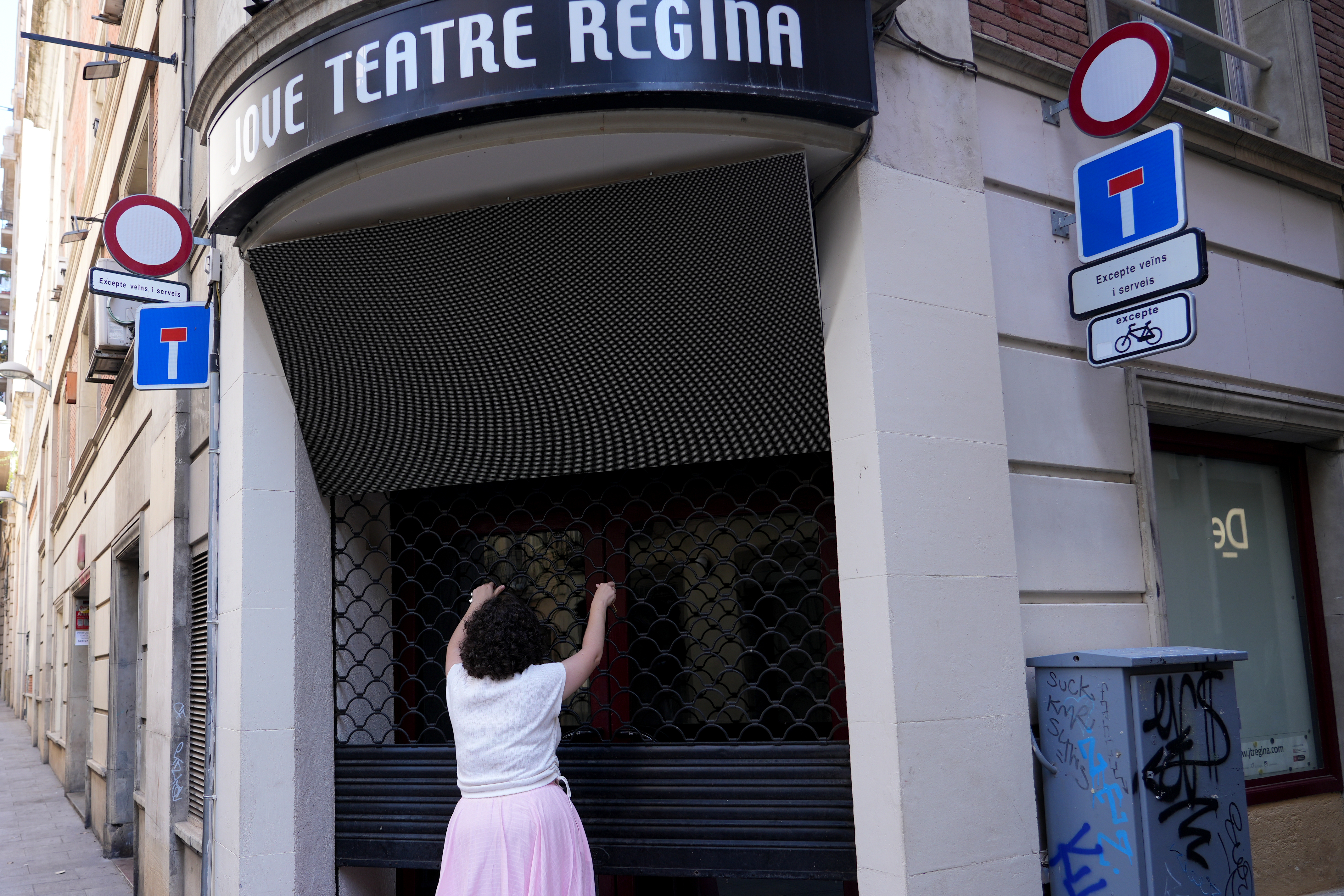
By Wednesday, July 15, she must vacate the building at 22 Carrer Sèneca in Barcelona, home to the Jove Teatre Regina for the past 38 years.
The venue, known for its family-focused programming, is closing after the landlord declined to renew its lease in order to sell the building.
The theatre's second-generation management has had just three months to wrap up the season and clear out the premises.
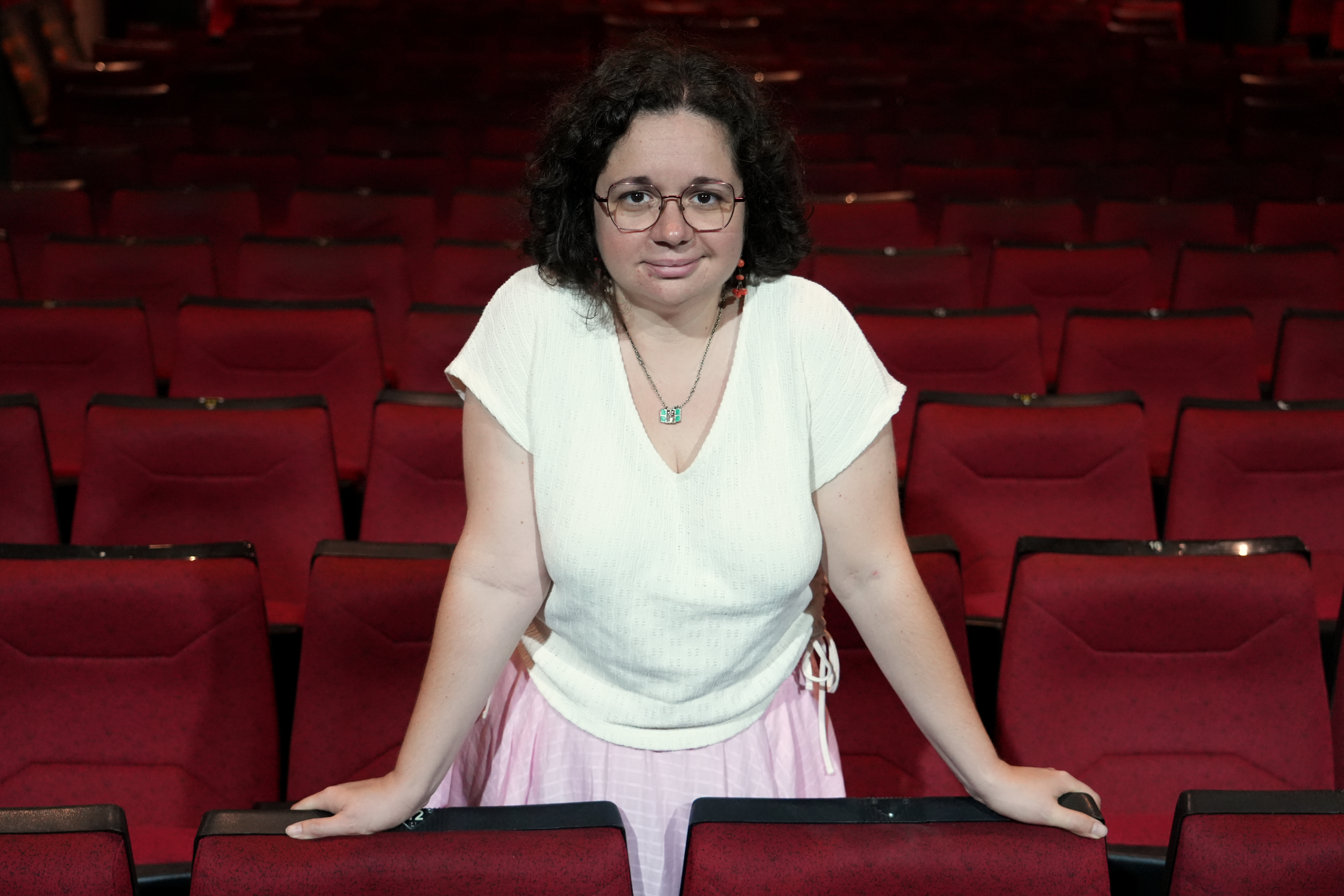
In an interview with the Catalan News Agency (ACN), Campos, the theatre's director, said both the project led by theatre company Trepa and the building itself should have been protected.
"Is this the price of being a city so open to the world?" Campos asks.
2.1 million spectators
Over nearly four decades, Teatre Regina staged 10,538 performances for more than 2.1 million spectators. Now, the theatre is being dismantled, although its 300 auditorium seats will remain because removing them would have been too costly.
Management learned on March 10 that the owner would not renew the lease because the building was to be sold.
After negotiations, the company secured an extension allowing performances to continue until the end of the season, rather than the initial three-week deadline they had been given.
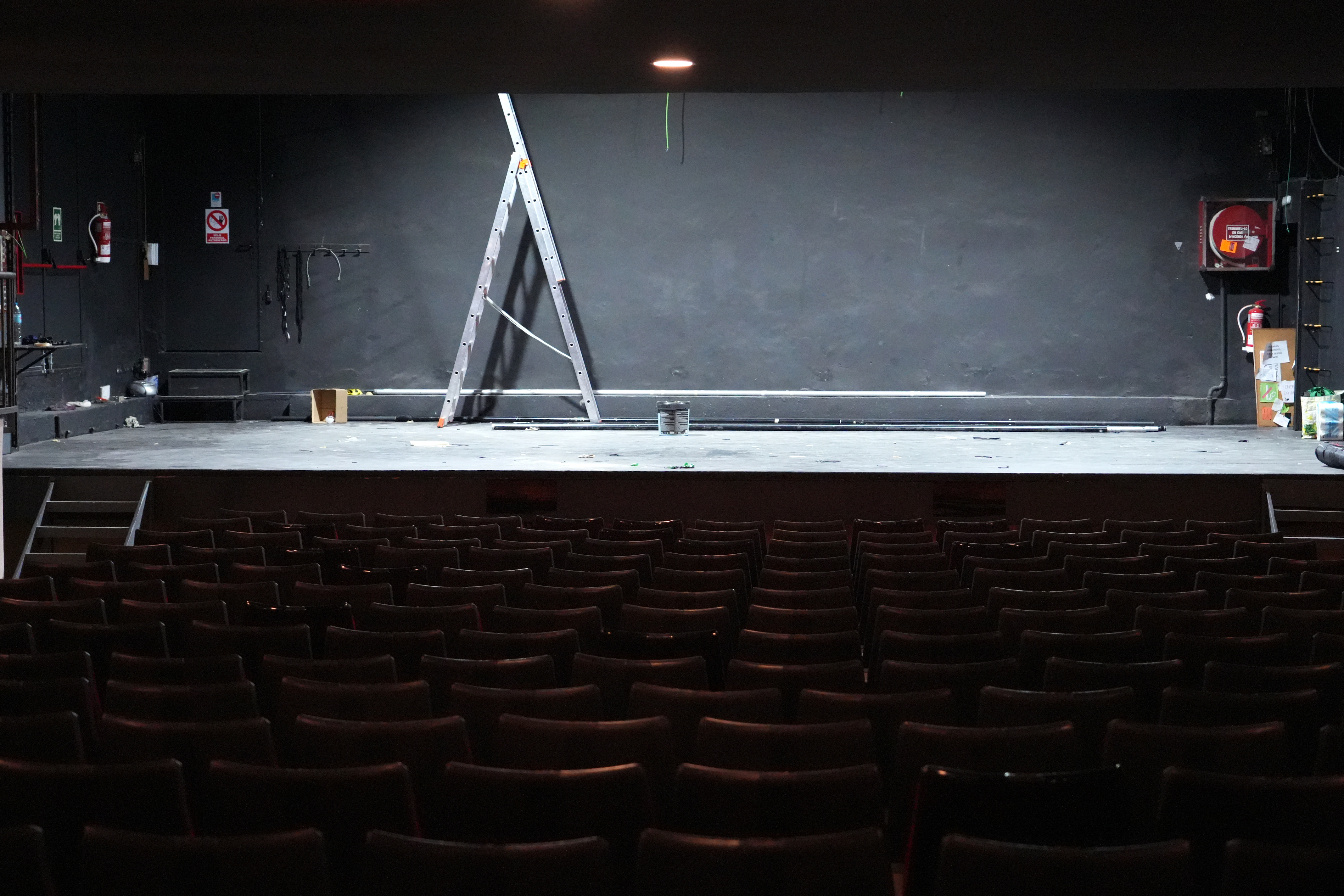
Campos said the time available to respond was nowhere near enough. "A project like this needs three years, not three weeks."
Although the venue is closing, the Trepa theatre company has no intention of calling it a day.
"The content goes with us," Campos said, expressing hope that the company will resume activities if it can secure a suitable venue.
No protected status
According to official land registry records, the property at 22 Carrer Sèneca is classified as a building with multiple permitted uses, although its primary use is cultural.
It has no specific legal protection as a cultural facility, meaning it could be converted to other purposes once the sale is completed.
Campos said she regretted that no solution had been found to safeguard either the building or the theatre project.
"I would have liked these four walls to be protected in some way, but if not that, then at least the project itself."
She argued that after 38 consecutive years of activity, the theatre had effectively provided a public service despite operating as a private business.
Campos said both Barcelona City Council and the Catalan government had shown willingness to help from the outset but that administrative procedures made it impossible to find a solution within three months.
"They did everything they could," she said, noting that the sale is a private transaction in which public institutions have limited scope to intervene.
Meeting with Mago Pop
The Regina's management also held talks with representatives of the Catalan illusionist Mago Pop, whose company was interested in buying the building, about remaining as tenants under new ownership.
"It didn't matter to us who rented us the theatre, as long as someone rented it to us," Campos said, adding that the discussions ended without an agreement.
A loss for the neighbourhood and the city
Campos believes the closure represents more than the loss of a single theatre. She said the Regina was a pioneer of family theatre in Barcelona and Catalonia and one of the few venues dedicated primarily to children's and family productions.
Campos sees Regina's closure as part of a broader transformation affecting Barcelona's Gràcia district and the city as a whole. She compared it to the disappearance of long-established local businesses, replaced by ventures aimed at an international customer base.
"Little by little, the neighbourhood bakery closes, the restaurant where we used to have lunch becomes a place serving burritos and bowls. And that can happen to culture too."
She questioned whether this trend is "the price of globalisation or of being a city so open to the world."
"It's gentrification, the cultural version."
Wave of public support
The closure has sparked an outpouring of public support, with a Change.org petition to protect Teatre Regina gathering more than 2,700 verified signatures and around 100 people attending a solidarity rally outside the venue.
Campos said the response from audiences had been the most moving part of the process.
"We've received an outpouring of warmth from people who say they felt at home here, that they grew up with us, that they love the project. It really is very moving."
She said she was determined to focus on the theatre's legacy: "Inside these walls are 38 years of memories, laughter, smiles and tears, because theatre moves people."
"That's something we'll take with us wherever we go."