Spanish PM Sánchez closes term with highest inflation since last election
Price of gasoline soared this year and is 17% more expensive than during summer of 2023
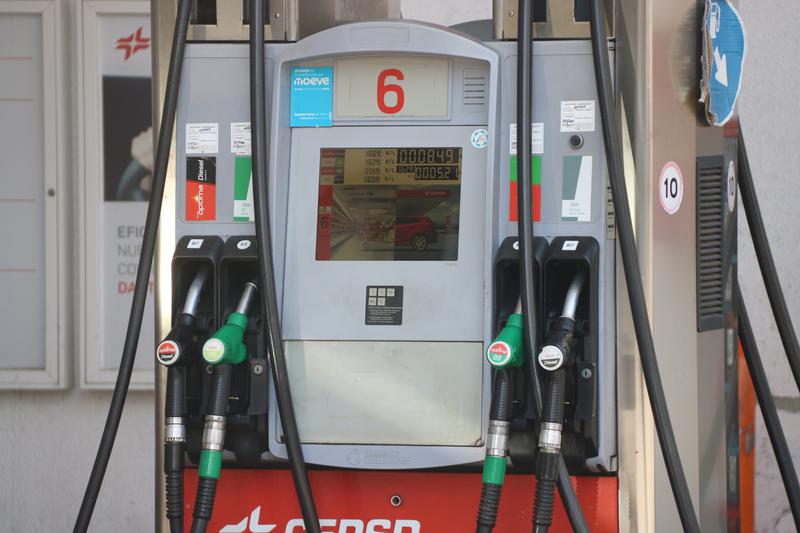

Inflation in Catalonia – as measured by the CPI (Consumer Price Index) – reached 4.8% in October, the highest rate seen during the current Spanish legislative term.
Price increases have been driven primarily by rising costs in energy, fuel, and transport, according to Spain's INE (National Statistics Institute).
Since the 2023 general elections, prices have risen by a cumulative 10.4%, with energy, housing and the restaurant sector driving the increases.
The Association of Economists notes that inflation will remain at "high" levels at least until the end of the year, while households' ability to save continues to shrink.
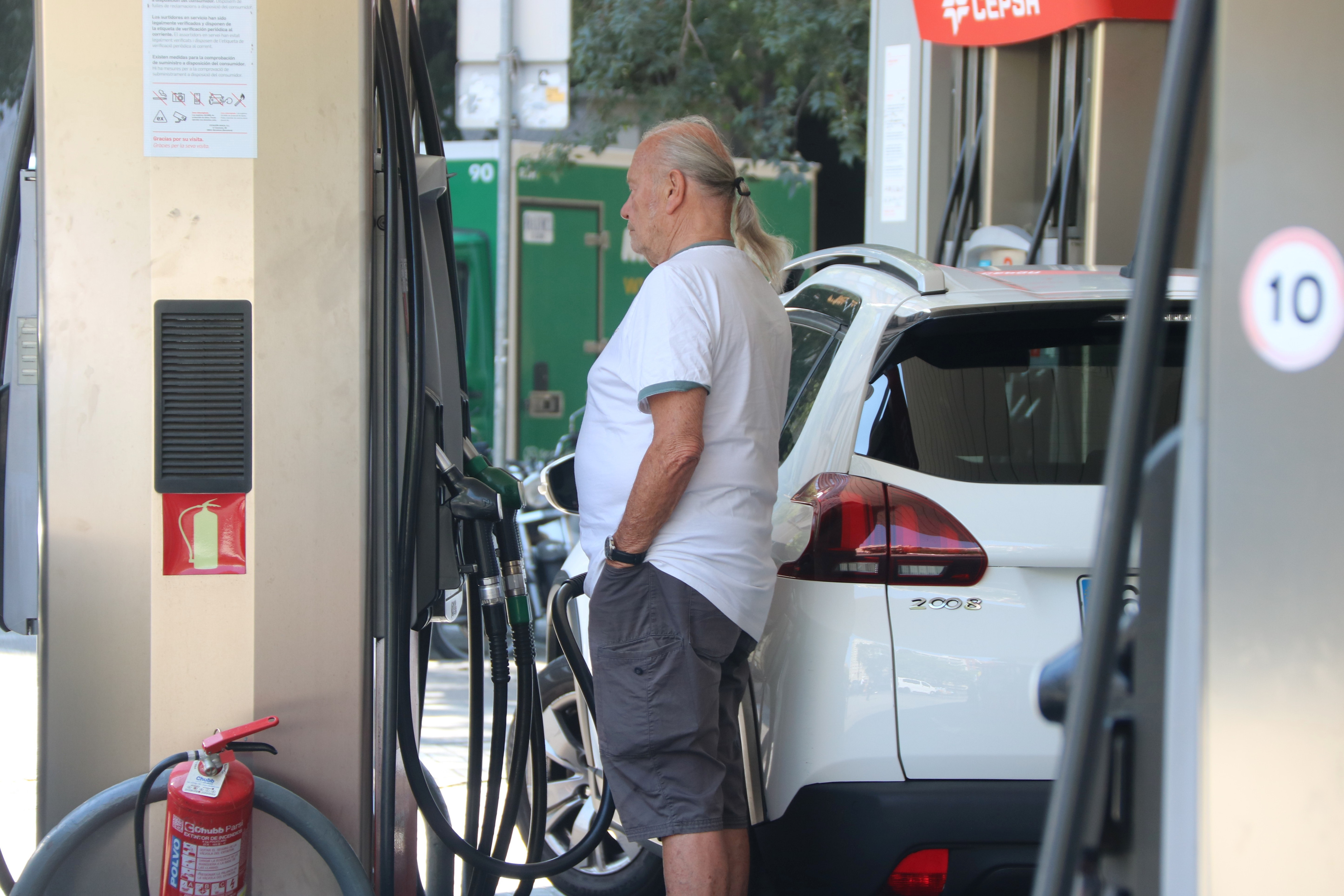
Àngel Hermosilla, Secretary General of the association, says that current inflation levels (4.8%) can be considered "high,", certainly well above the 2% target set by the European Central Bank (ECB).
According to Hermosilla, three categories of products have driven the CPI in recent years: energy "and its impact on the economy as a whole, heavily affected first by the conflict in Ukraine, and more recently by events in the Persian Gulf," the tourism sector "likely linked to the record figures that have been recorded," and the food sector.
Hermosilla forecasts that the year will end with a high CPI, yet acknowledges, particularly regarding energy prices, that the situation could change "dramatically" depending on geopolitical developments.
War involving Iran accelerates inflation
Following a Spanish legislative term where prices rose at a relatively steady pace, with year-on-year increases between 2.3% and 3.5%, the CPI climbed to 4.8% between the end of summer and October.
This marks the highest inflation rate recorded since February 2023. According to data from the INE, the most pronounced hikes occurred in electricity, gas, fuels, and transport, sectors highly susceptible to geopolitical factors, such as the conflict involving the United States and Iran.
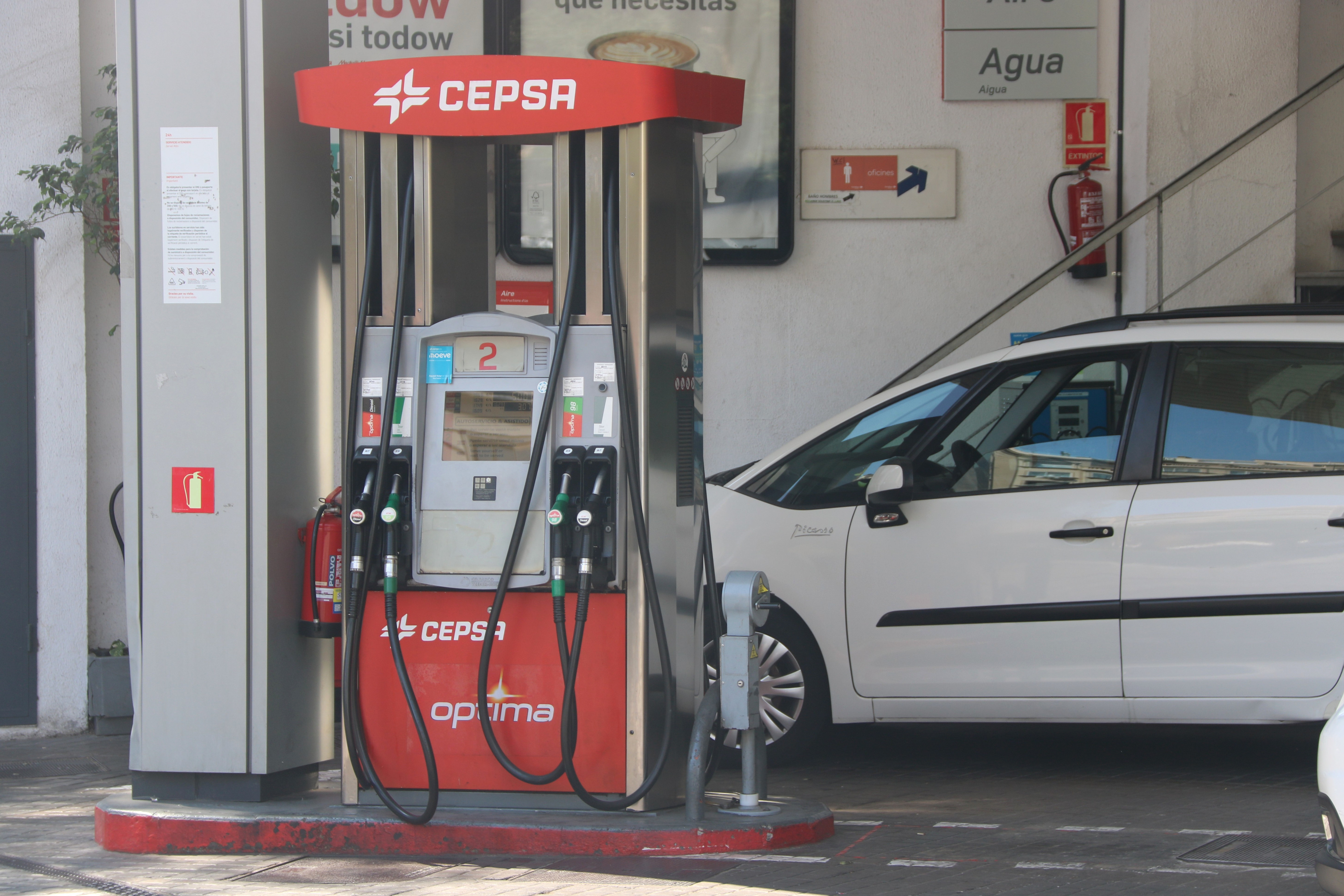
Prices have risen by 10% since 2023
Between the last general election in July 2023 to the present, prices in Catalonia have risen by 10.4%.
Price increases over the last three years have been particularly sharp in the insurance and financial services sector, with 17.3% inflation.
There has also been a significant rise in the "housing, water, and energy" subgroup (which includes fuels), up 16.7%, as well as in the hospitality sector, where prices are 13.6% higher than they were previously.

At the other end of the spectrum, leisure, sports, and culture (3.4%), along with information and communications (3.4%), have seen more modest price increases during this period.
As for food and non-alcoholic beverages, they have experienced a cumulative increase of 9.3%.
Impact on households and elections
Regarding the impact of inflation on household finances, the Association of Economists highlights that the "deterioration" of purchasing power is steadily eroding families' ability to save.
In the CEO’s recent 'Omnibus' survey, 39% of respondents admitted that they are now buying more store-brand (private-label) products as a result of price increases over the past year.
Hermosilla warns of the potential electoral impact of the rising cost of living, "as we have just seen in the (midterm) elections in the United States."
Containing inflation
To bring down the runaway fuel prices seen in recent months, the Spanish government reintroduced a 20-cent discount on gasoline and diesel this October, a measure previously implemented in 2022 in response to the price surge triggered by the outbreak of the conflict between Russia and Ukraine.
“The result isn't tangibly visible because the price hikes are so steep that they effectively swallow up any subsidy,” Hermosilla Said.
Hermosilla maintains that the "room for maneuver" available to governments in inflationary situations is limited, "especially when [the price increases] stem from a supply shock, as is the case with raw materials, particularly energy-related ones," he said.
"The government can only act through fiscal policy, which is what it has done, by subsidizing certain prices, cutting taxes, or providing direct transfers to the groups most severely affected,” Hermosilla said.