Spain's house prices outpace EU average for fourth consecutive year
Experts attribute the trend to international buyers, a shortage of social housing and sluggish construction


House prices in Spain have risen faster than the European Union average for four consecutive years, according to official Eurostat data.
Since the third quarter of 2022, when annual price growth was identical in Spain and the EU at 7.6%, prices in Spain have consistently outpaced the bloc by between five and eight percentage points.
The gap widened to a record level in 2026, with Spanish house prices rising by more than 12%, compared with less than 5% across the EU.
Experts consulted by the Catalan News Agency (ACN) point to Spain's limited supply of social housing, below-average construction rates and the impact of international buyers as key factors behind the trend.
Double-digit growth
Since the fourth quarter of 2024, Spain has recorded annual house price growth in double digits, a trend shared by only four other EU countries: Bulgaria, Croatia, Hungary and Portugal.
By contrast, the EU-wide average has hovered around 5%.
In the second quarter of 2026, Portugal led the rankings, with prices up 16.5% year-on-year. Other major economies recorded significantly more moderate increases, including France (-0.8%), Italy (4%) and Germany (0.6%).
Claire Court, a professor in the University of Barcelona's geography department and an expert in housing policy, points to a process of "price convergence" within the EU to explain the diverging trends.
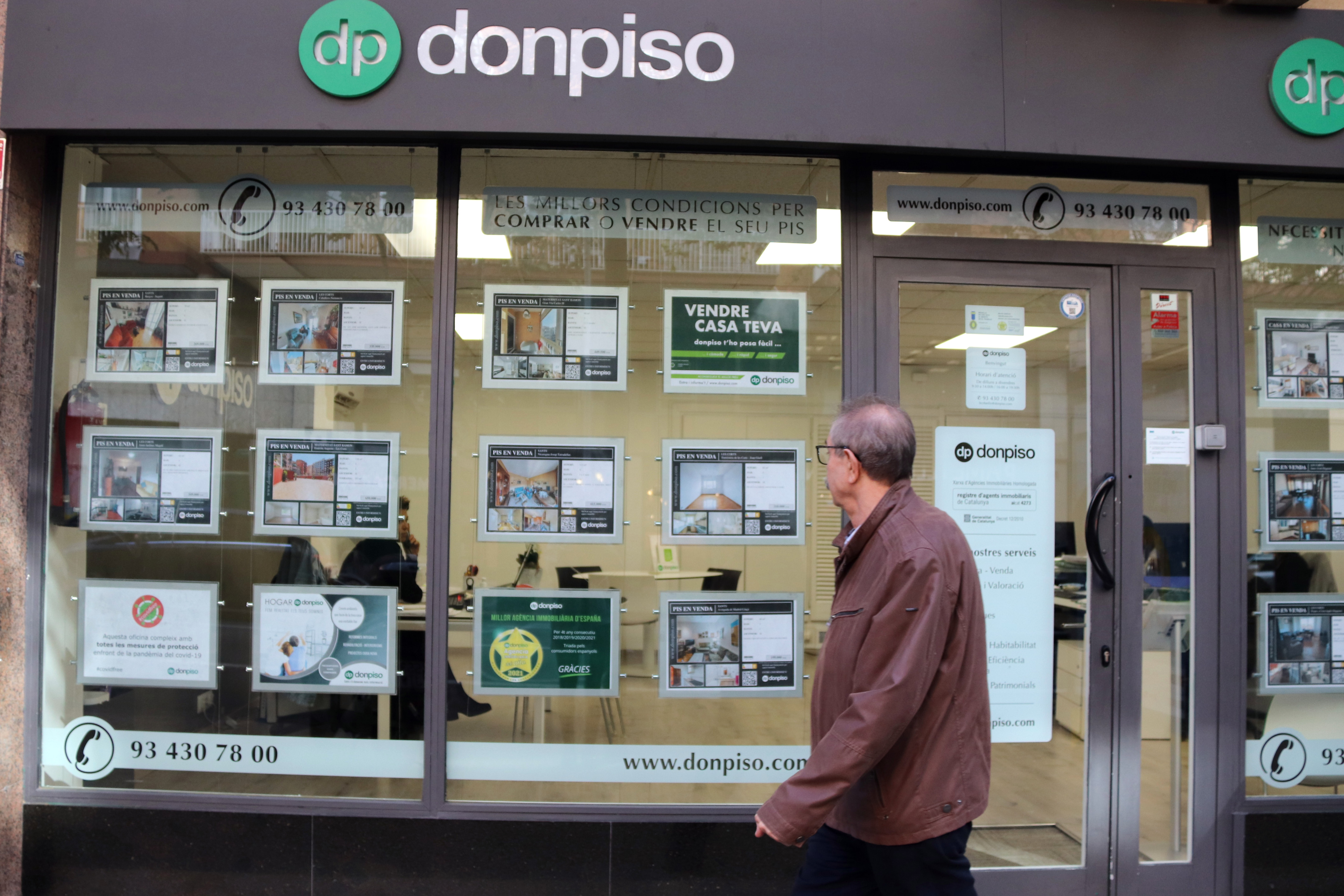
In other words, housing costs in countries where prices were previously lower are moving towards levels seen in more expensive markets. Spain is one example: until a decade ago, prices "were much lower" than in other parts of Europe.
Court says a similar pattern of accelerated growth has been seen in Berlin.
Wide disparities in social housing provision
Ramon Bastida, a professor at Pompeu Fabra University's Barcelona School of Management (UPF-BSM), identifies social housing as one of the factors explaining differences in price growth.
Social housing "helps moderate prices" in markets where it represents a significant share of the housing stock.
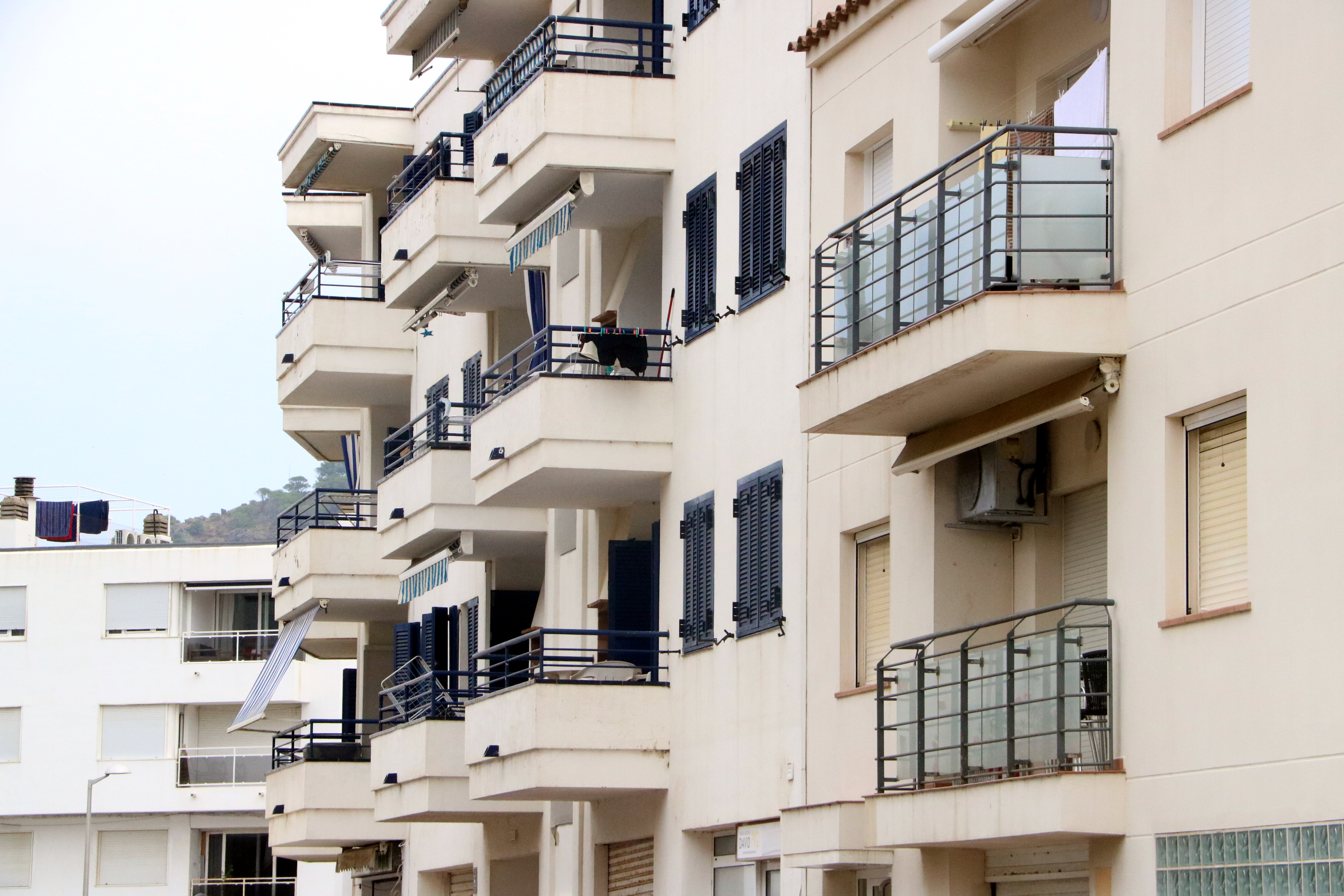
In Austria, for example, affordable rental housing accounts for close to 25% of all homes. Tenants therefore often have the option of securing social housing, making landlords less likely to inflate rents in order to attract tenants, Bastida explains.
Court also highlights the role of affordable rental housing, arguing that "in a larger stock of social or subsidised housing, prices can be controlled more effectively."
She points to France as an example, where a substantial social housing sector helps moderate price growth, although she acknowledges that in Paris, prices are "twice as high as in the pressured housing markets of Spanish cities."
According to OECD data, Spain had around 290,000 social rental homes in 2019, representing just 1.1% of its total housing stock and placing it near the bottom of the countries surveyed.
Italy (2.4%), Germany (2.6%) and the United States (3.6%) all recorded slightly higher proportions.
France (14%), Denmark (21.3%), Austria (23.6%) and the Netherlands (34.1%) were considerably further ahead.
Housing construction falls short
Another major factor, Bastida says, is the low level of housebuilding.
"A lot of time passes between purchasing land and construction getting under way," he says, adding that obtaining building permits is "very difficult," holding back the pace of construction.

The figures support his assessment. Eurostat data show that Spain has remained below both the EU and eurozone averages for the past 15 years.
In 2025, residential building permits in Spain covered a total floor area of 322 sq metres per 1,000 inhabitants, well below the EU average of 377 sq metres.
The volume of building permits issued in Spain has barely grown in recent years, and the gap with the EU average has persisted every year since 2010.
The trend was markedly different during the first decade of this century: in 2006, permitted residential construction in Spain reached 2,660 sq metres per 1,000 inhabitants, compared with 853 sq metres across the EU.
Foreign buyers and investors add pressure
Bastida also argues that Spain's property market faces additional demand pressures compared with other countries.
"We have the people who live here, but on top of that, we have many people from northern countries who come here and buy property here," he says.
In some cases, he explains, these buyers are not seeking investment returns but are moving to Spain in search of better weather and other lifestyle advantages.
Spain's strong economic performance could also attract more people looking to settle in the country, adding pressure to the housing market.
However, Bastida cautions that this does not necessarily translate into higher house prices.
Court also points to international buyers, particularly those purchasing properties as investments, including so-called vulture funds.
She argues that governments should "limit the power of international investors," using measures such as tax policies to discourage speculative property purchases.