Spain secures 143 Mediterranean fishing days for 2026
EU promises rule changes as Catalan fishers call deal "bittersweet"
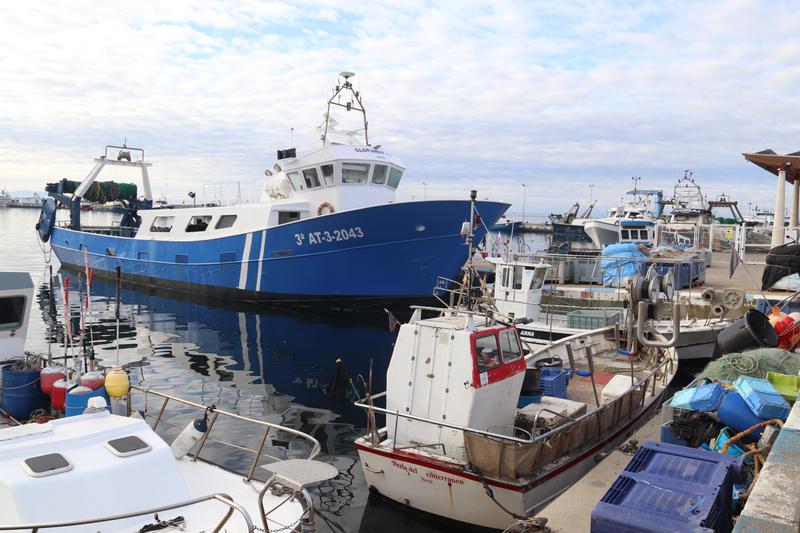

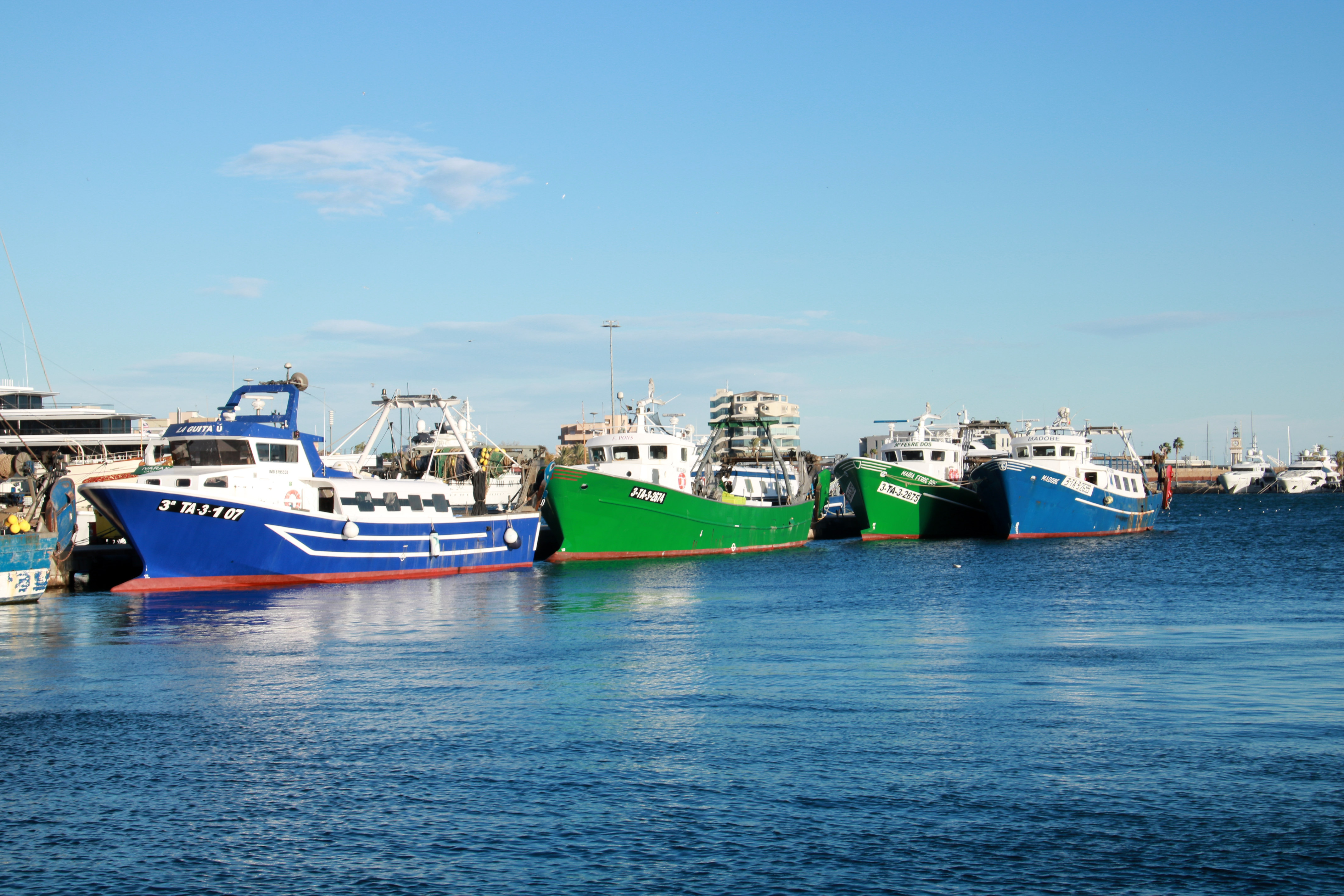
After two days of intense talks in Brussels, Spain has secured a deal with the European Commission that will allow its Mediterranean trawler fleet to operate for up to 143 days in 2026 without new environmental restrictions.
The announcement was made in the early hours of Saturday morning via a video message from Spain's Minister of Agriculture and Fisheries, Luis Planas, following another marathon negotiating session on Friday.
Planas acknowledged that the talks had been "very difficult" but described the outcome as a "clear success."
The European Commission had initially proposed a 65% cut in working days compared with 2025, a plan that Spain had categorically rejected.
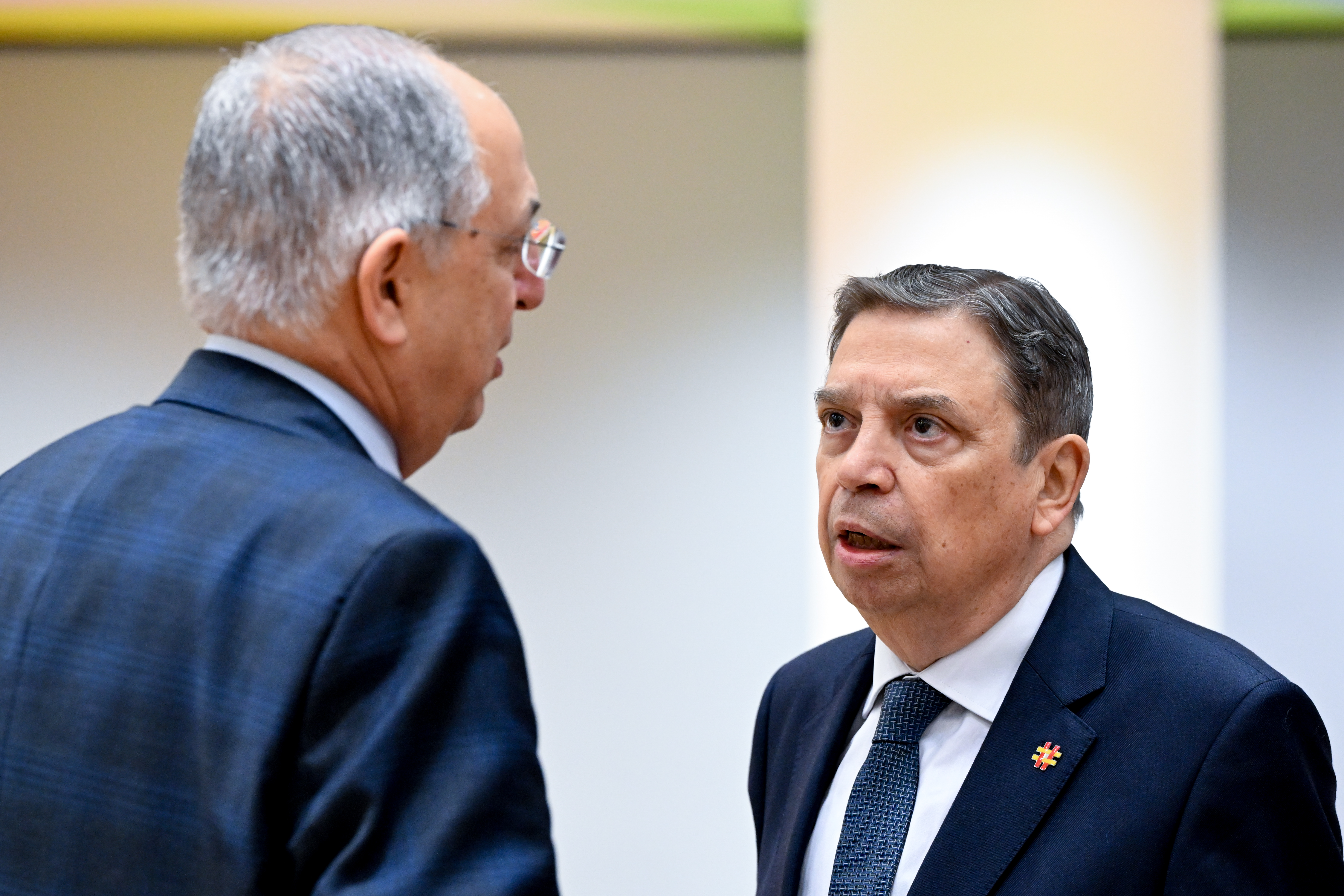
"The discussion was frankly extremely difficult. We started from a proposal of only nine days. The starting point was tremendously unbalanced. After two days of work and discussion, we have secured 143 days for our vessels in the Mediterranean. From nine days to 143. That is a clear success," Planas said.
The nine-day figure reflected the Commission's initial baseline and did not account for compensatory environmental measures which allow an increase in the number of days at sea.
The minister stressed that the sector will be able to fish for 143 days without having to apply any new measures for 2026 to offset the environmental impact of its activity.
During the negotiations, Spain, France and Italy formed a united front in an effort to extract additional fishing days from the European Commission. Talks began early on Thursday morning and continued until the early hours of Saturday.
EU rules review
Speaking at a press conference in Brussels on Saturday morning, Planas said the European Commission had committed to proposing changes to EU rules so that future fishing limits are no longer set solely on the basis of the most vulnerable stock, such as Norway lobster, also known as langoustine or Dublin Bay prawn.
Spain has long argued that the current methodology leads to disproportionately restrictive starting proposals.
Catalan minister welcomes deal but warns "fight continues"
Catalonia's Minister of Agriculture, Òscar Ordeig, has welcomed the agreement but warned that "the fight continues" and that work must now focus on amending EU regulations.
Speaking to RAC1 radio on Saturday morning, Ordeig said the main objective of the negotiations had been achieved, namely, to overturn the Commission's initial proposal.
The next step, he added, will be to establish "the fairest possible distribution" of fishing days, noting that the 143 days agreed represent a fleet-wide average rather than a fixed entitlement per vessel.
Ordeig praised the "huge amount of work" carried out by Catalan fishers, scientists and authorities, as well as by other regional governments, the Spanish ministry, and counterparts in France and Italy, describing the negotiations as "exemplary."
"We stood our ground with the Commission," he said.
However, the minister stressed that this represents only a first step and that efforts must continue to fulfil the "commitment" to amend EU regulations.
Ordeig argued that the current system has been shown not to work and that the rules need to be revised to create a "more orderly" framework and remove measures that "no longer make much sense."
Fishers call deal "bittersweet"
The president of the Catalan Federation of Fishers' Guilds, Antoni Abad, described the EU agreement on Mediterranean fishing days as "a bittersweet deal."
Abad said it was not what the sector had hoped for, but acknowledged that it is a substantial improvement on the European Commission's initial proposal.
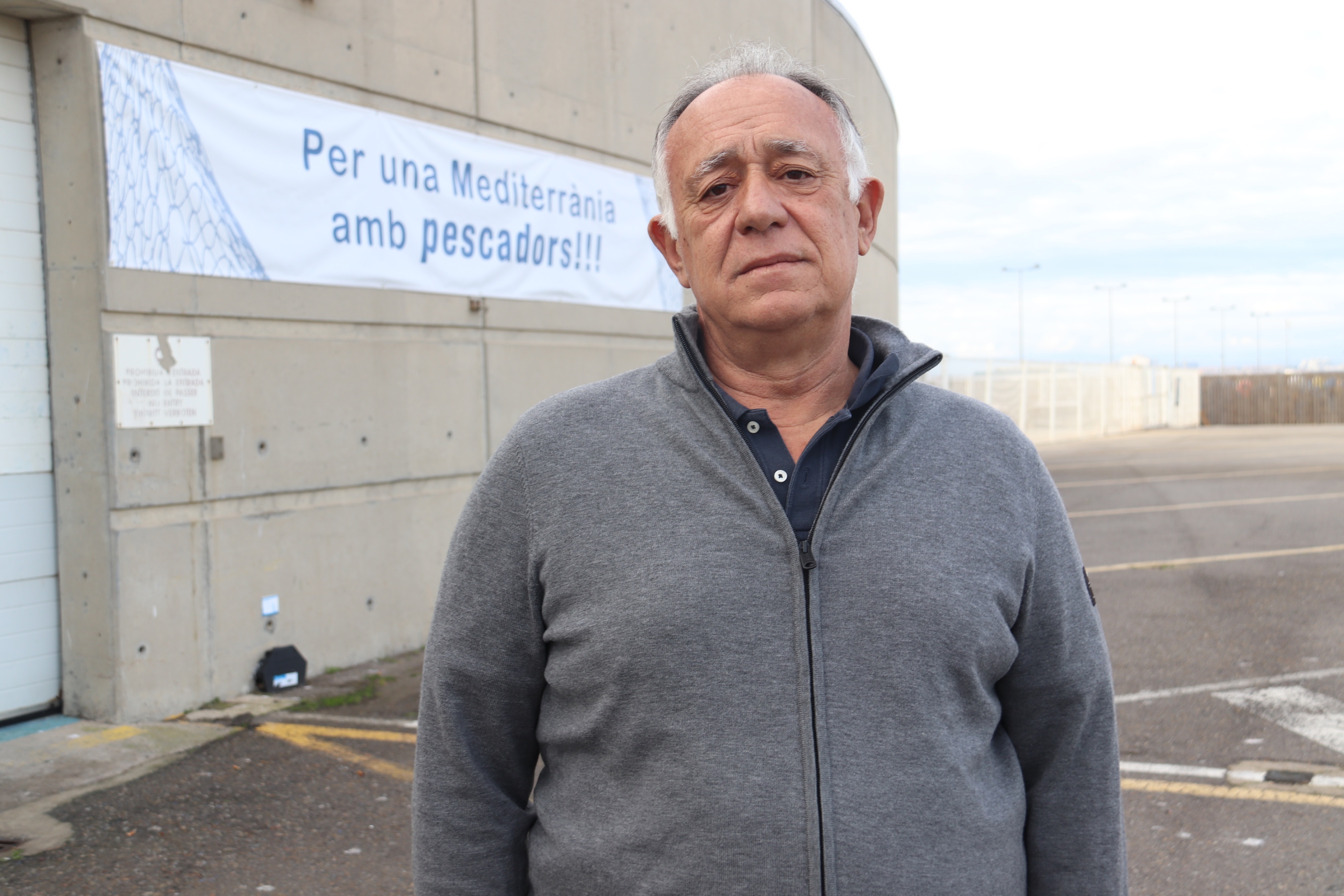
He noted that discussions will now be needed with the Spanish government to ensure "an equitable distribution" of fishing days, and he emphasized that one of the key successes of the negotiations is the European Commission's commitment to renegotiate the regulations starting next year.
Fishers had initially proposed 180 fishing days in 2026, which they considered the "minimum necessary for business viability," according to Abad.
He concluded by saying the Catalan sector is ready to push hard in Madrid to secure fair allocation. "We will leave nothing on the table," he said.