From 13 million to 27 million: Catalonia's 21st-century tourism surge
Barcelona leads the boom, but city officials say visitor numbers have reached their limit
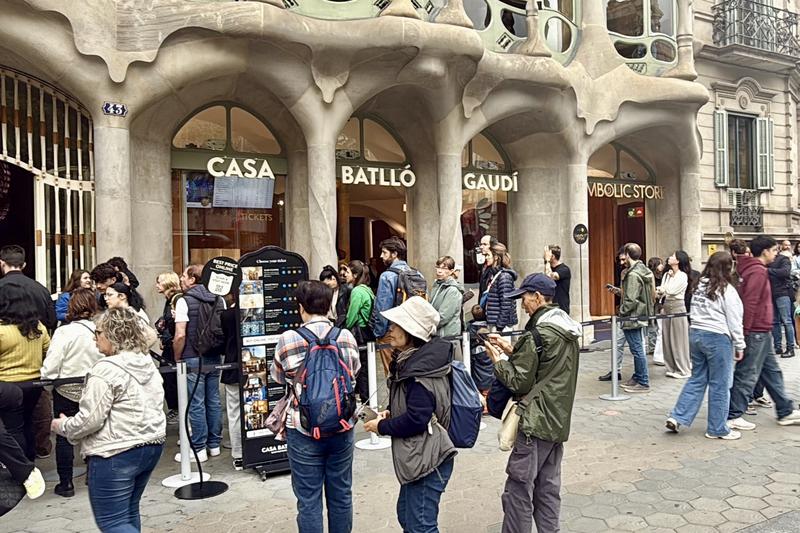

Barcelona has spearheaded a dramatic expansion in Catalonia's tourism over the first quarter of the 21st century.
Annual visitor numbers to Catalonia have doubled from 13.4 million at the turn of the millennium to 27.6 million in 2024, according to Spain's National Statistics Institute (INE).
Nearly half of those visitors – 12.7 million – traveled to the Catalan capital, marking a rapid rise that city officials say has stretched infrastructure and public tolerance.
José Antonio Donaire, Barcelona's recently appointed tourism commissioner, told the Catalan News Agency (ACN) that the city has "reached a ceiling" in terms of tourism growth.
He emphasized a broad consensus among both residents and tourism operators that "no further growth" is desirable.
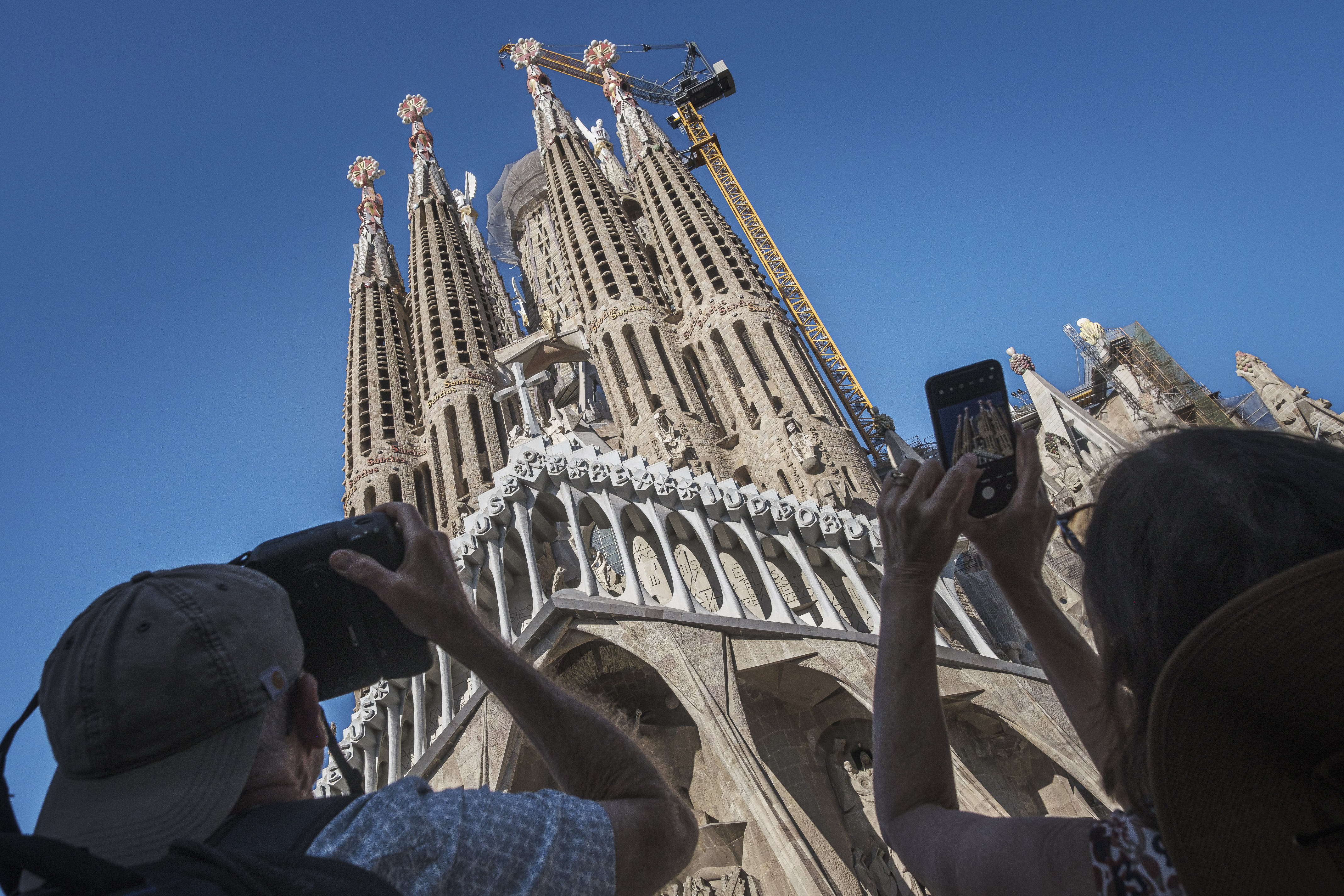
Between 2000 and 2015, visitor numbers in Barcelona more than doubled from just over 4 million to nearly 9 million annually, fueled by a surge in accommodation and the city's rising global profile. The pre-pandemic peak of nearly 14 million in 2019 has yet to be repeated.
Catalonia as a whole has also experienced unprecedented growth, driven largely by foreign visitors.
In 2024, 14 million of the 21.5 million hotel guests in Catalonia were from abroad, accounting for almost two-thirds of overnight stays, up from 55% 25 years ago.
October alone saw over 2 million international arrivals, a record for the month and equivalent to nearly 40% of all foreign tourists in Catalonia in 1999.
While Barcelona City Council enforces limits on new tourist accommodation through its 2017 Special Urban Plan for Tourist Lodgings (PEUAT), other regions continue to expand.
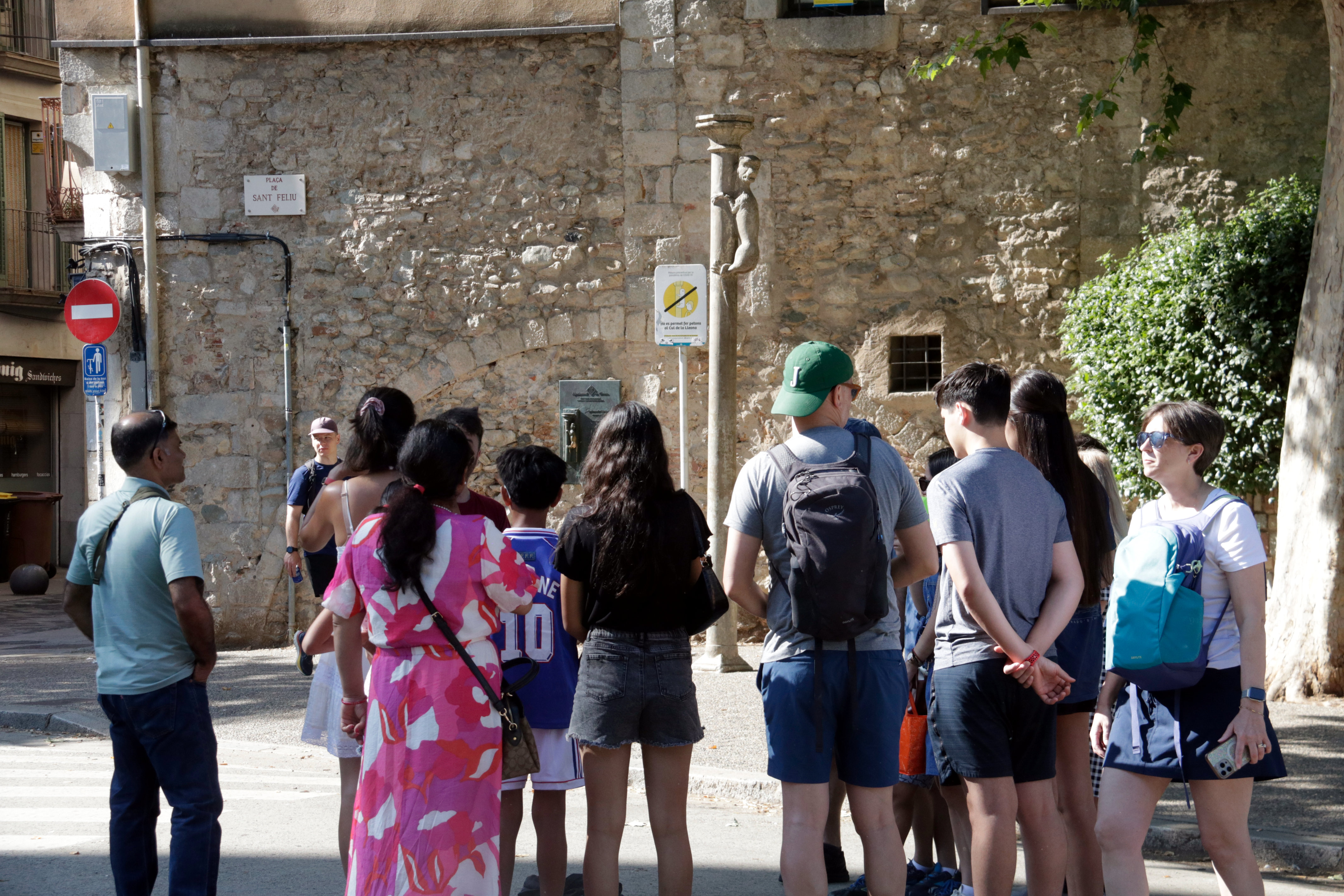
Girona, anchored by the Costa Brava, hosted 4.2 million hotel guests in 2024, up from 2.5 million 25 years ago, while Tarragona's Costa Daurada saw hotel stays jump 120%.
Foreign visitors dominate in Barcelona (74% of hotel stays) and Girona (60%), but remain less prevalent in Tarragona (43%) and Lleida (20%).