Farmers lift roadblocks across Catalonia after five days of Mercosur deal protests
Protesters on AP-7 and C-16 unblock motorways after meeting with President Illa leaves them "satisfied"
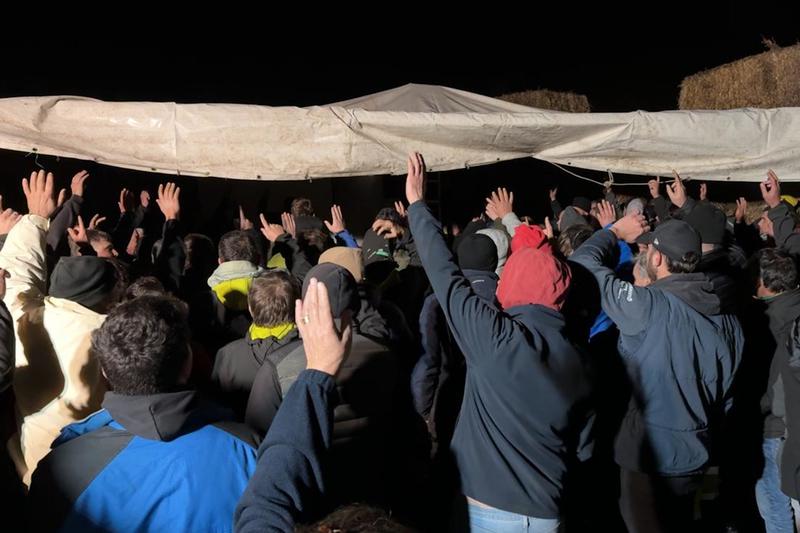

Farmers lifted the remaining roadblocks across Catalonia on Monday night, bringing to an end five days of protests against the EU-Mercosur trade deal.
The move followed a meeting between farmers' unions and Catalan president Salvador Illa, which protesters described as having left them "satisfied."
"We are leaving satisfied because President Illa has adopted the commitments made by the agriculture minister, and we will now move forward with a working group and the necessary resources to minimise the impact of the deal," a farmers' union spokesperson said.
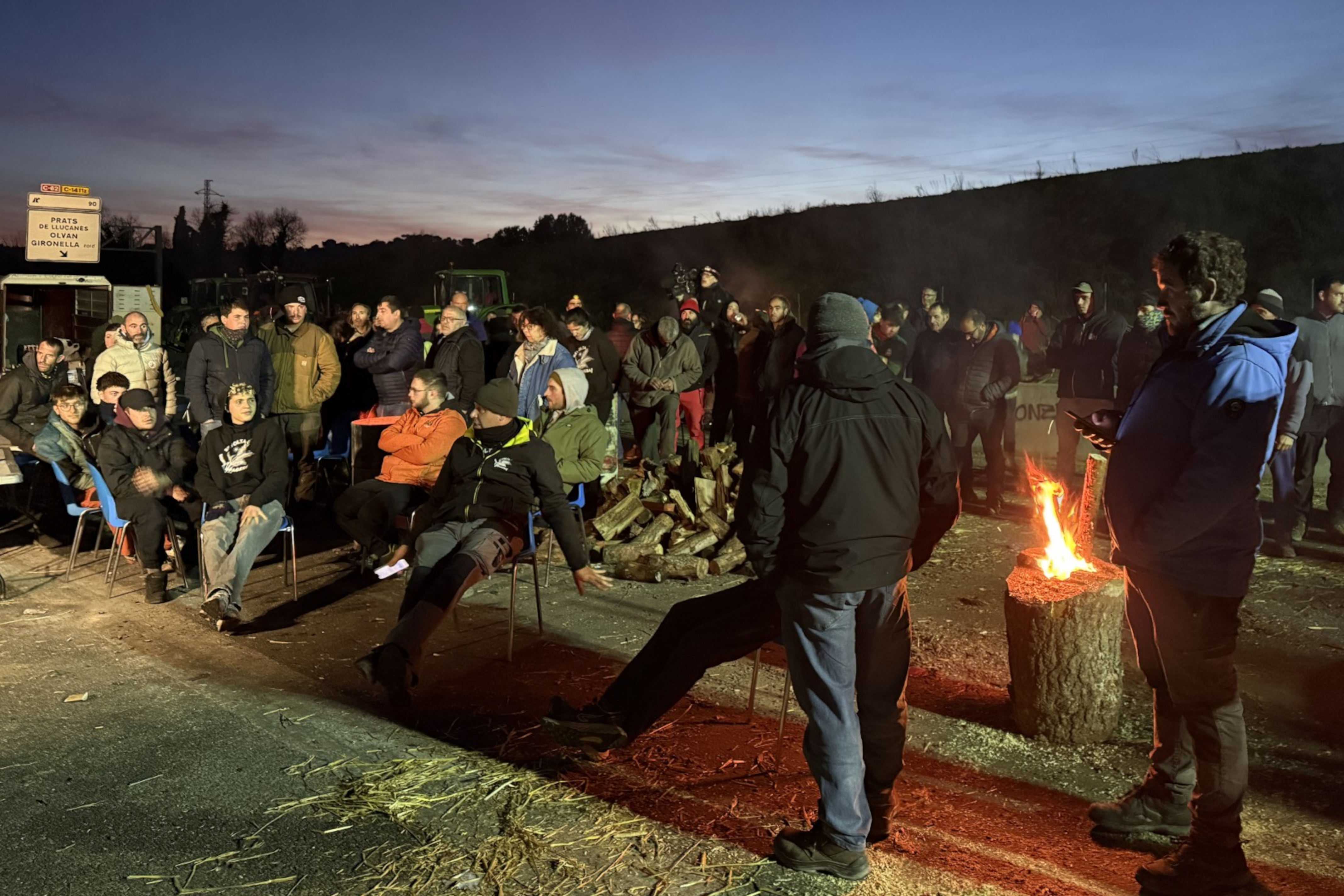
Following the meeting, protest assemblies at each blockade began voting on whether to officially call off the demonstrations.
The first roadblock to be lifted was on the AP-7 in Girona, near the French border, where farmers began reopening the motorway shortly after the meeting with Illa.
Around fifty demonstrators who were still on the motorway started dismantling the protest infrastructure "with their heads held high" in what they considered a victory.
The C-16 was the next road to be dismantled. However, farmers warned that if there are no tangible results within three weeks, they will return to the streets to protest again.
What has been agreed
Part of the agreements reached between farmers and the government include an increased budget for the Agriculture Department to "effectively enforce controls on products arriving from outside Europe."
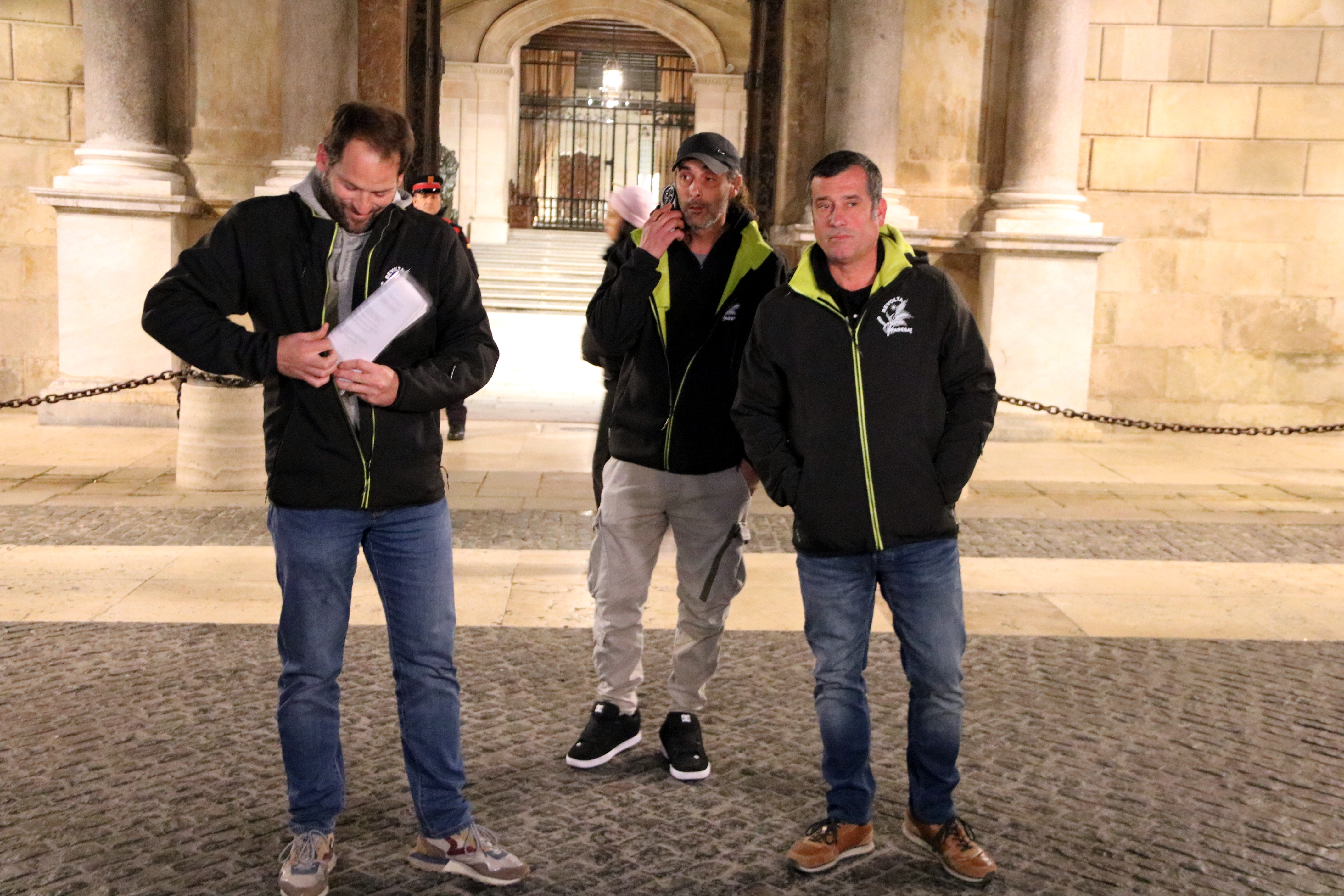
"We need to make sure that sanitary and quality controls are the same there as they are here, so everyone in the sector can feel reassured and confident that they will be able to put food on their tables," said a spokesperson for Revolta Pagesa union.
Farmers have been demanding that President Illa formally adopt their demands, something they say has now happened.
"It was important for us to see that the agriculture minister is backed by the president, to give the entire primary sector the reassurance that consumers will not have to worry about what they are eating," the spokesperson added.
Protest at Port of Tarragona called off
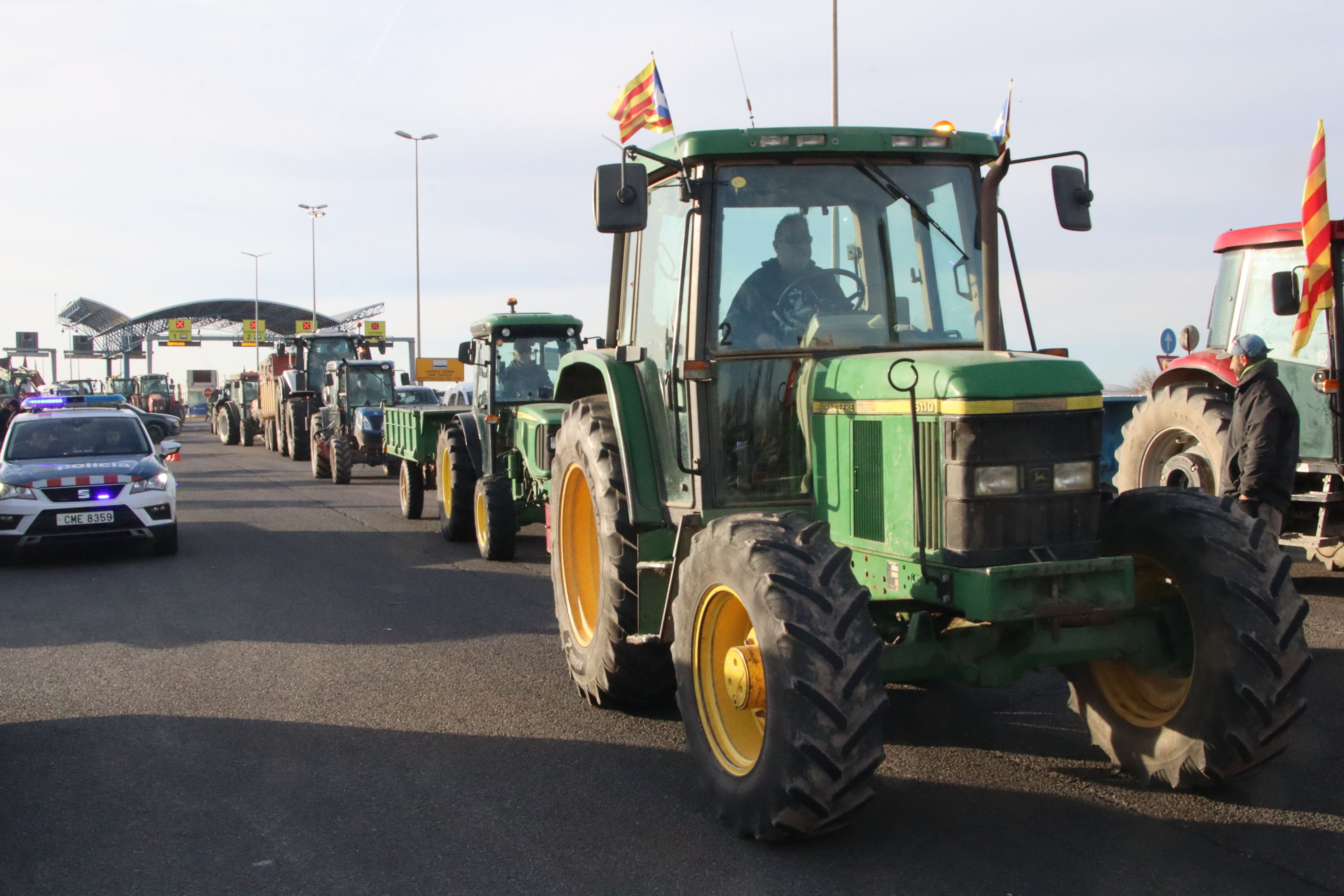
Earlier on Monday, farmers ended their blockade of the Port of Tarragona, fully reopening access to the port facilities after four nights of protest.
Shortly after 10 am on Monday, the remaining demonstrators – around 25 tractors and 15 other vehicles – departed in convoys towards Conca de Barberà, Penedès and Baix Camp.
Access was first restored via the Francolí industrial estate, followed soon after by the reopening of the A-27 for heavy goods vehicles arriving from Valls and Lleida.
The protest at the port was part of a broader mobilisation by farmers across Catalonia, who have staged road blockades and slow-moving tractor marches to denounce what they see as unfair competition from South American imports under the EU–Mercosur agreement.
Ramon Rojo, a spokesperson for the group Revolta Pagesa in the Camp de Tarragona region, said the decision to lift the blockade followed commitments made by the Catalan government.
"One priority is to shield farmers as much as possible, and the other is to protect our food security," Rojo said. He cited demands for clear labelling that explicitly states a product's origin, as well as financial support to offset the gap between local production costs and those in South America.
On food safety, Rojo said farmers want imported products to meet the same standards as domestic produce. "We want products from outside [the EU] to be subject to the same guarantees as ours, which is not the case at the moment," he said.
The final night of the protest was cold and damp, and demonstrators began dismantling their makeshift camps early on Monday morning.