Collserola park to remain closed until 'wild boar population reduced as much as possible'
Park on outskirts of Barcelona remains open to residents, public transport, schools and restaurants
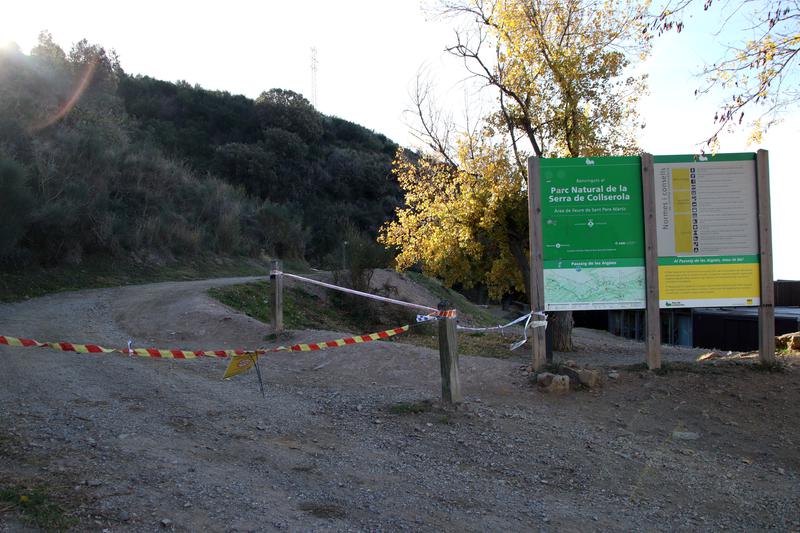

The Catalan government hopes to lift restrictions at Collserola Natural Park once "the wild boar population has been reduced as much as possible" in the affected area, according to Cristina Massot, secretary general for agriculture.
Speaking to reporters on Thursday, Massot said that "all available resources are being deployed" to achieve that goal.
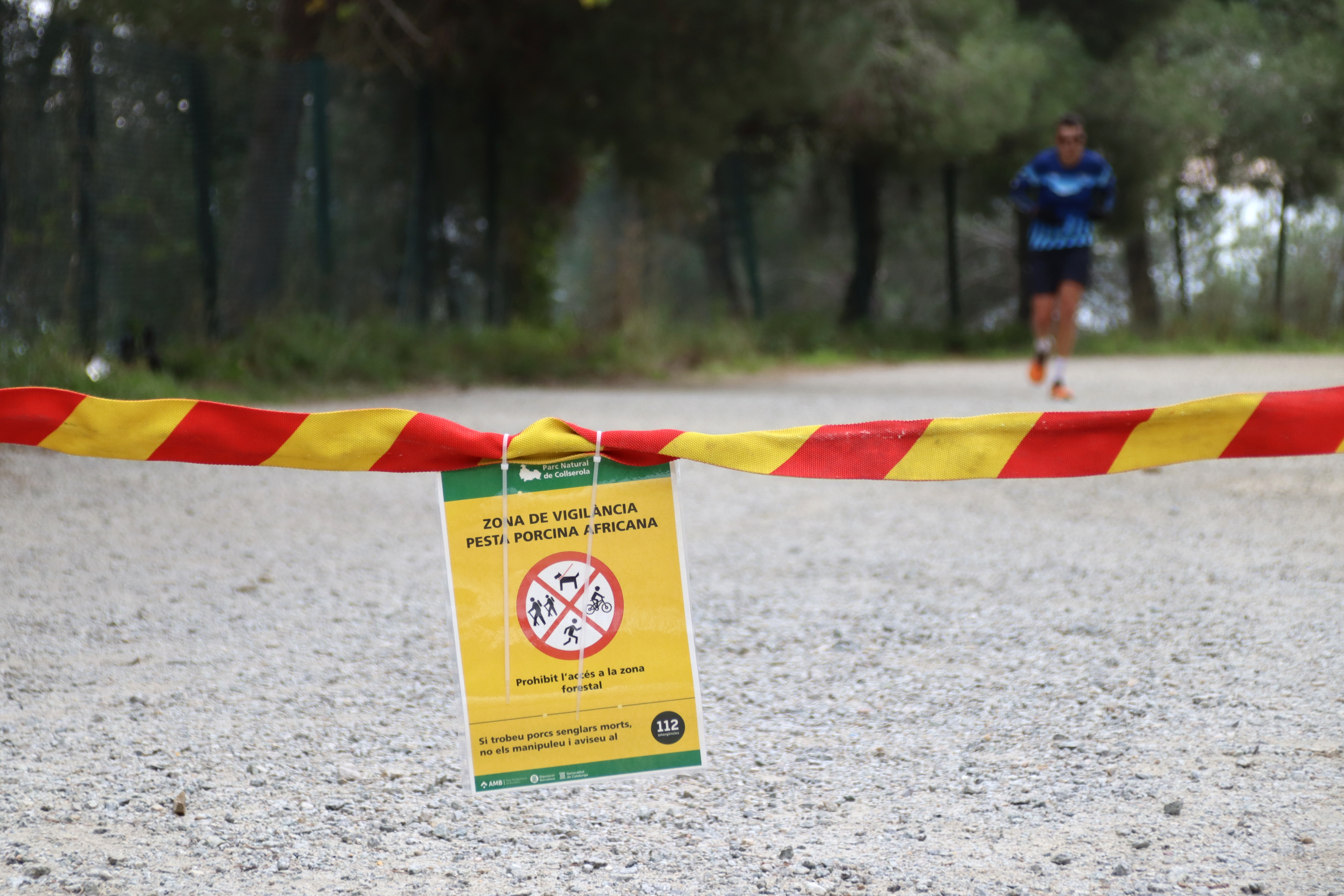
She urged the public not to enter the natural park and said a formal resolution banning access due to African swine fever would be published later in the day.
Massot said the 15,000 residents living within the park's boundaries will still be able to access their homes.
Public transport will continue to operate, and educational activities and restaurants will remain open.
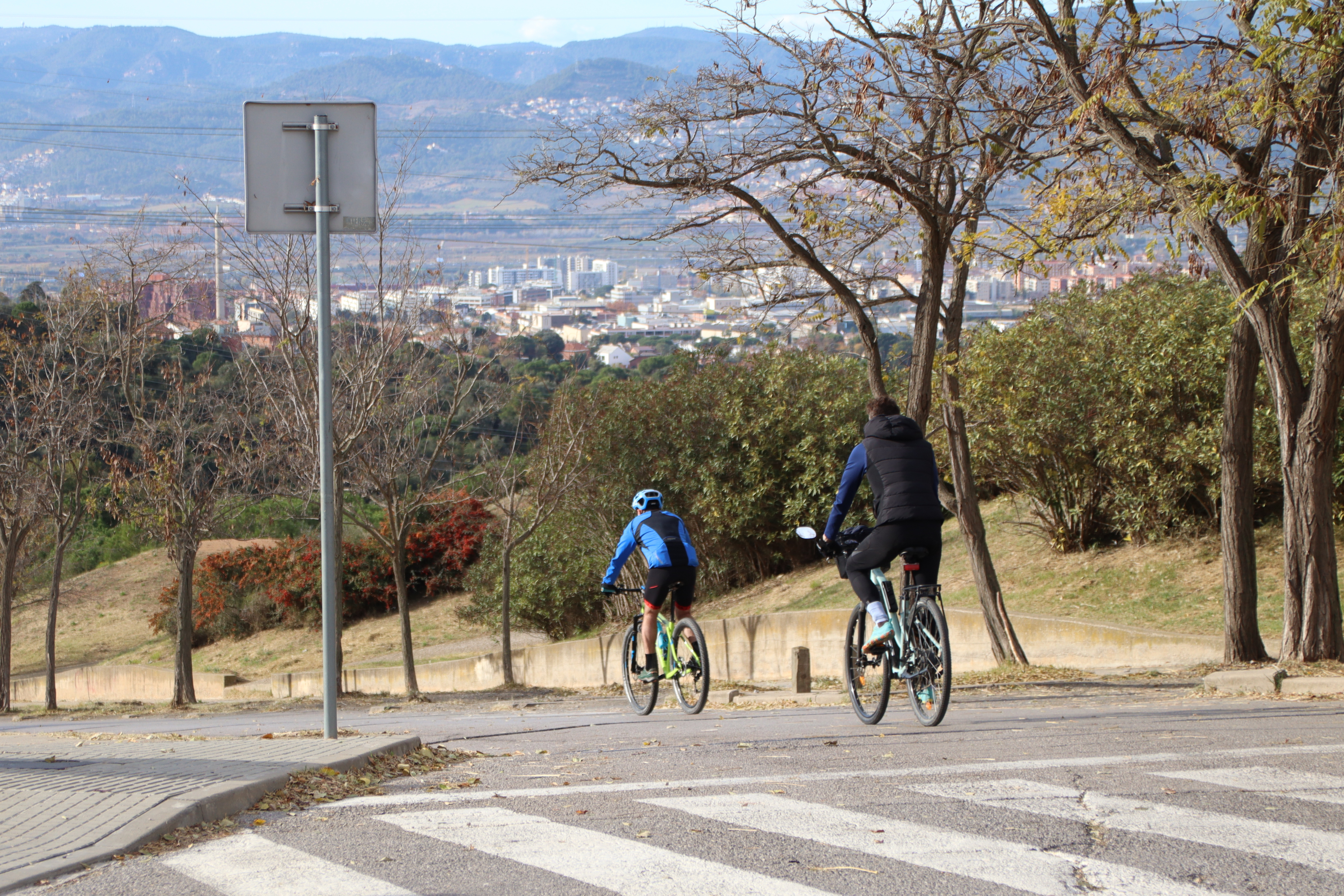
Massot said both "the objective" and "the strategy" are to "reduce the presence of wild boar in Collserola as much as possible," estimating the population at around 500 animals.
The target, she added, is to reach roughly one animal per square kilometre.
"It is necessary to prevent the disease from spreading beyond" the affected area, she said, after a case of an infected wild boar was detected within Barcelona city limits.
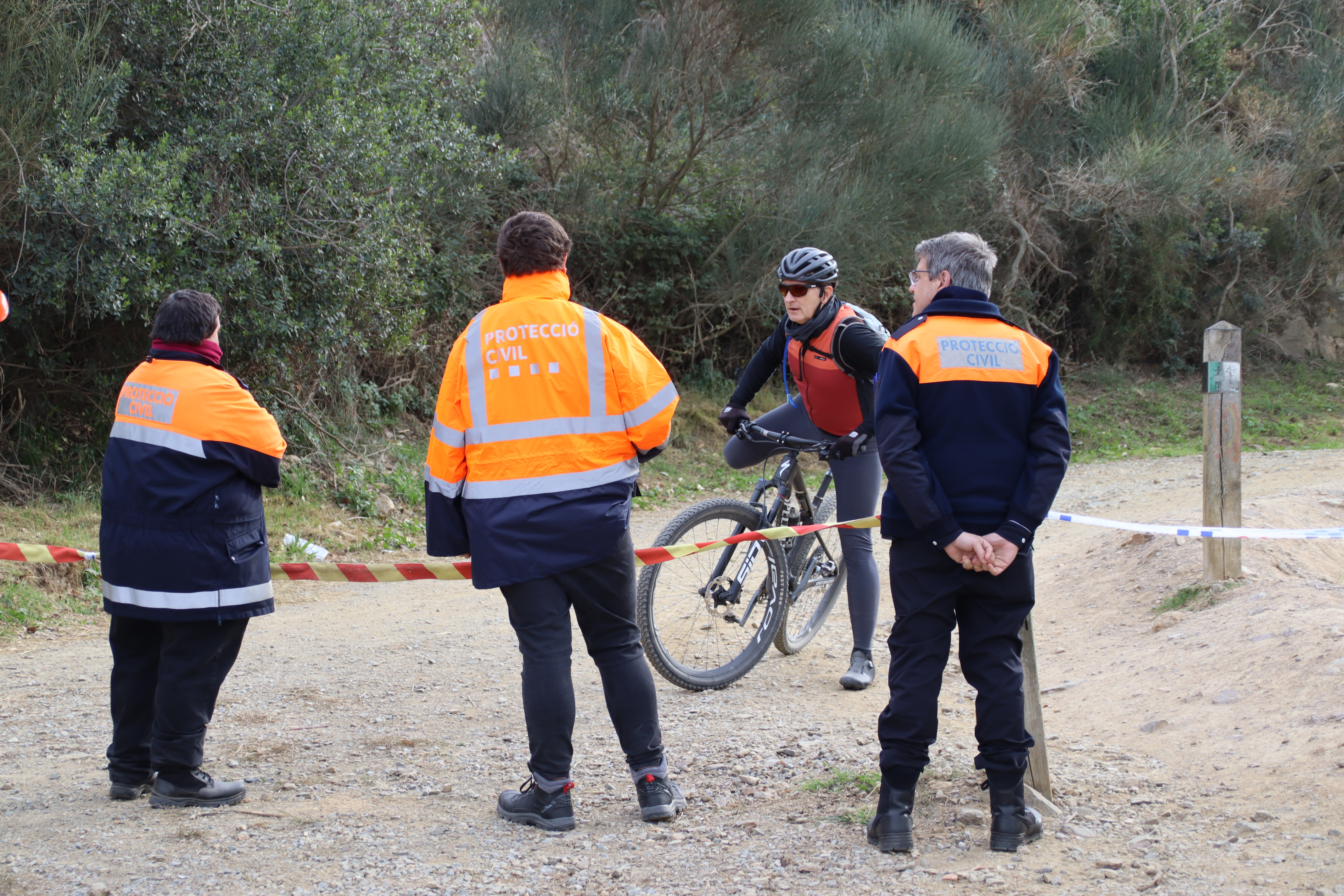
Massot said the decision to close the park entirely was intended to prevent animals from dispersing due to human presence and to avoid the disease spreading through footwear, bicycle tyres and other contact with the environment.
The closure is also meant to guarantee "the safety" of Rural Agents carrying out operations to capture wild boar and to ensure it does not pose "a risk to anyone."
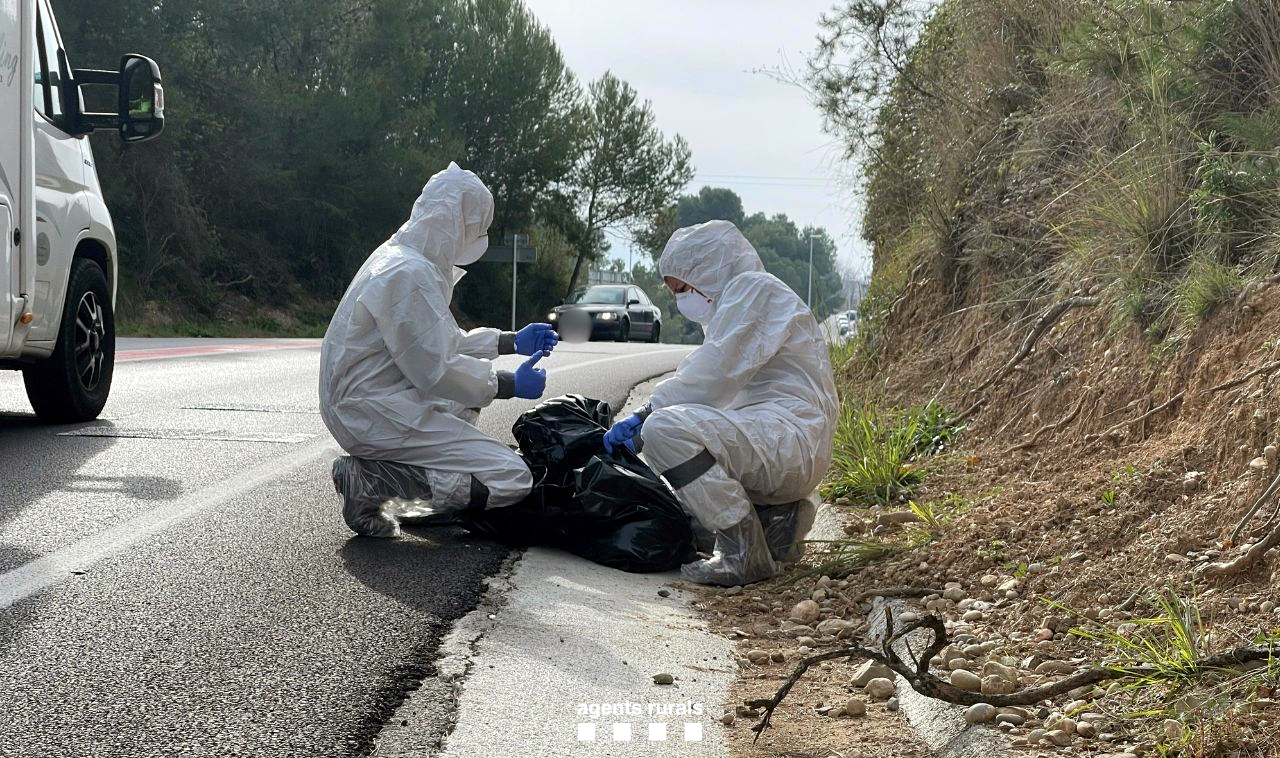
She called on people who must enter the park "as part of their daily routines" to establish "a disinfection routine" when entering or leaving Collserola.
That should involve using a small amount of bleach to clean shoes, clothing and the wheels of bicycles and vehicles that have been in contact with the natural environment.
More than 1,000 captures
Antoni Mur, head of the Rural Agents, said that since the first case was detected, 1,100 wild boars have been captured. Nearly half were taken in the high-risk area around Cerdanyola del Vallès, which initially formed a six-kilometre containment perimeter.
In the wider, lower-risk area, Mur estimates there may be between 8,000 and 12,000 wild boars.
In operations within Collserola, "in general terms firearms will not be used," Mur said. Instead, authorities will rely on traps – up to around 30 in total, with 18 currently deployed – as well as thermal cameras, drones and canine units.
Five million visitors a year
Collserola Natural Park said it receives around five million visitors annually on average – about 5,000 on weekdays and up to 15,000 at weekends.
Barcelona’s deputy mayor for security, Albert Batlle, said the request being made of the public is similar to the restrictions imposed during the pandemic, "and it was not necessary to fine anyone."
He called on residents to act responsibly, warning that anyone who violates the ban on entering Collserola will face penalties.