Catalan robots and 3D prosthetics on display at industrial automation trade show
Advanced Factories gathers more than 750 exhibitors and 33,000 expected visitors
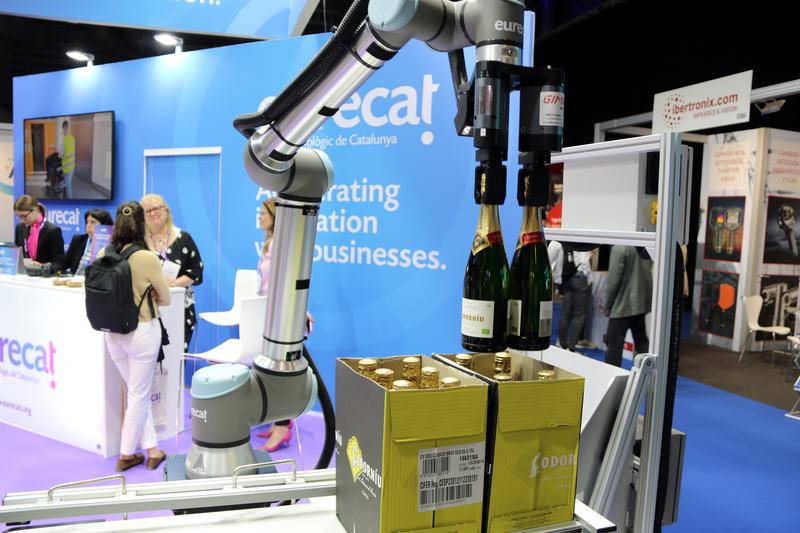

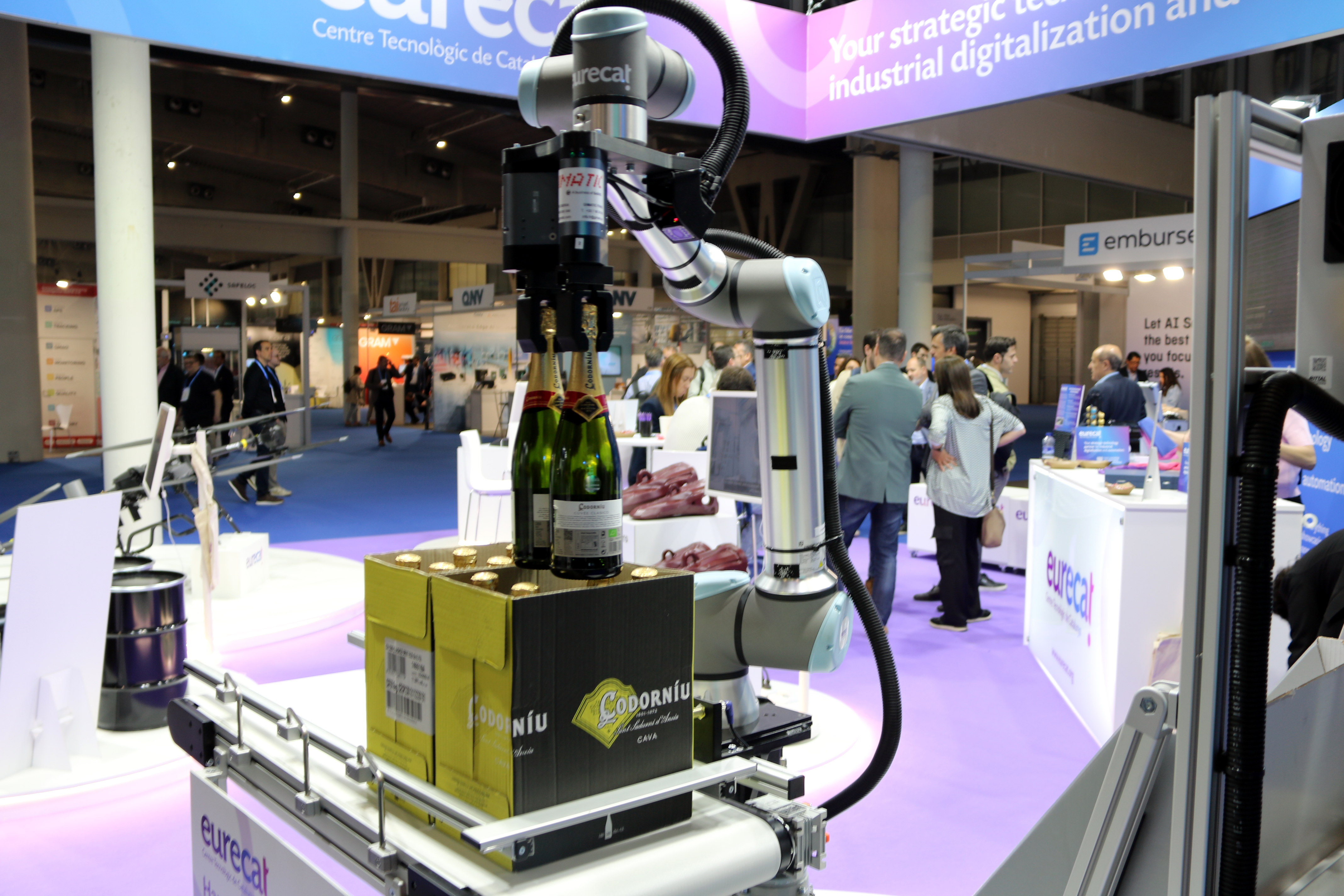
A quadruped robot for industrial inspections, a precision robotic arm handling cava bottles, and customized 3D-printed breast prostheses are among the Catalan innovations on show at the 10th edition of Advanced Factories in Barcelona.
The robotics and industrial automation trade show opened on Tuesday at Fira Gran Via, bringing together over 750 exhibitors and 420 international experts. Organizers expect over 33,000 visitors and estimate an economic impact of €91 million.
"Europe remains an industrial powerhouse with talent and factories, but we have become trapped between China and the United States," warned Advanced Factories director general Albert Planas.
Catalan technology center Eurecat is presenting several cutting-edge developments in robotics, automation, and artificial intelligence.
Among them is a fully autonomous quadruped robot equipped with optical and thermal cameras, designed to operate in complex and hazardous environments.
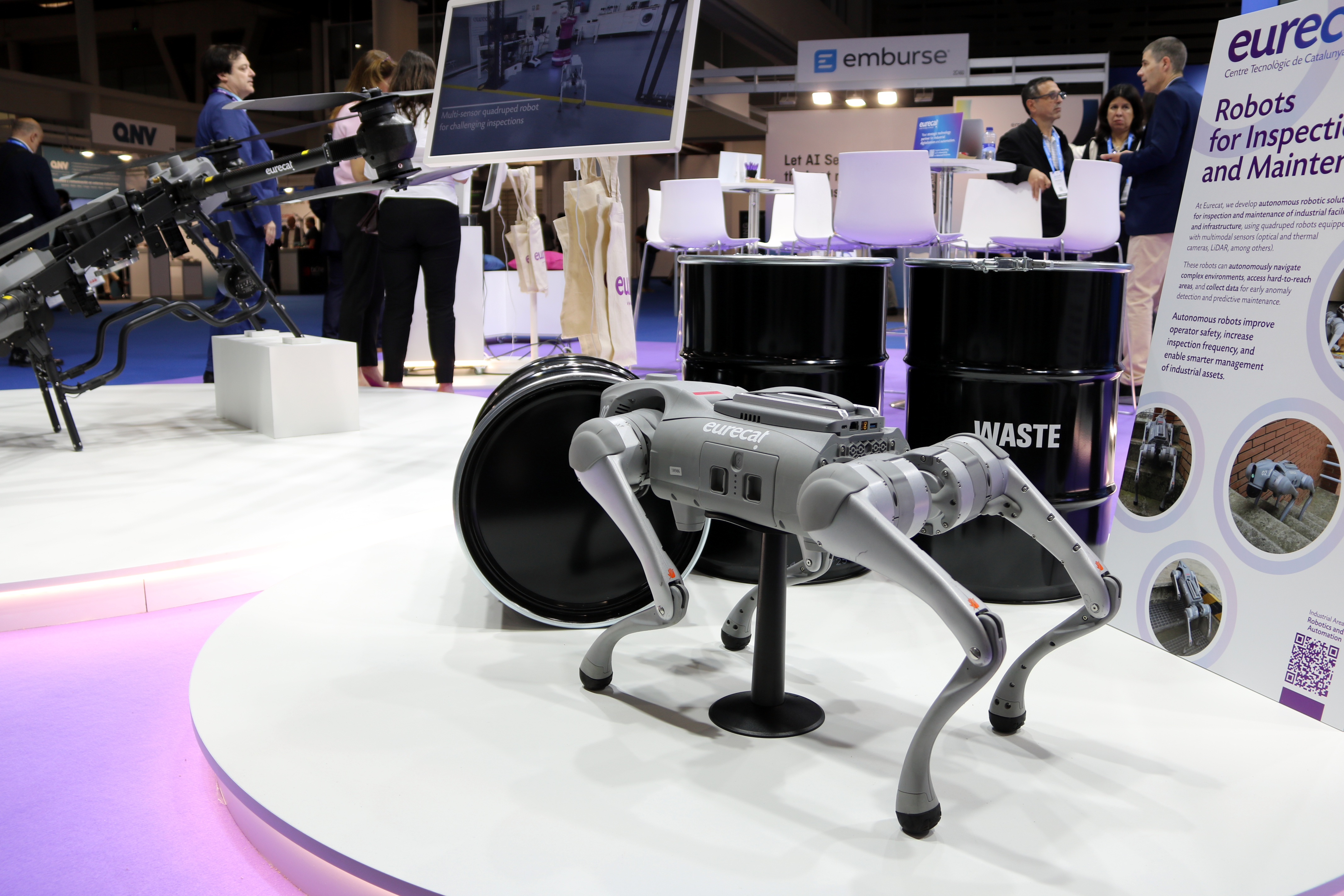
According to Eurecat's mobile robotics manager Carlos Rizzo, the robot can reach difficult areas and collect data for anomaly detection and predictive maintenance.
"This improves worker safety, increases inspection frequency, and allows smarter management of industrial assets," he said.
The system could be used in sectors such as construction, plumbing, and electrical installations, helping reduce costs and minimize risks.
Eurecat is also showcasing a robotic arm developed in collaboration with cava producer Codorníu to handle delicate objects such as cava bottles. The system uses advanced machine vision and intelligent algorithms to adapt to different materials and tasks.
Meanwhile, the Leitat technology center, based in Terrassa and celebrating its 120th anniversary, is presenting 14 advanced prototypes.
These include a humanoid robot with teleoperation capabilities, a mixed-palletizing system using machine vision to handle varied products, and a hyperspectral analysis system developed with agri-food group BonÀrea to analyze product composition in real time without contact.
Leitat is also highlighting innovations in 3D printing, including PIT3D, custom silicone breast prostheses for women who have undergone a mastectomy, and its 3D Lab platform for generating digital libraries of components and spare parts.
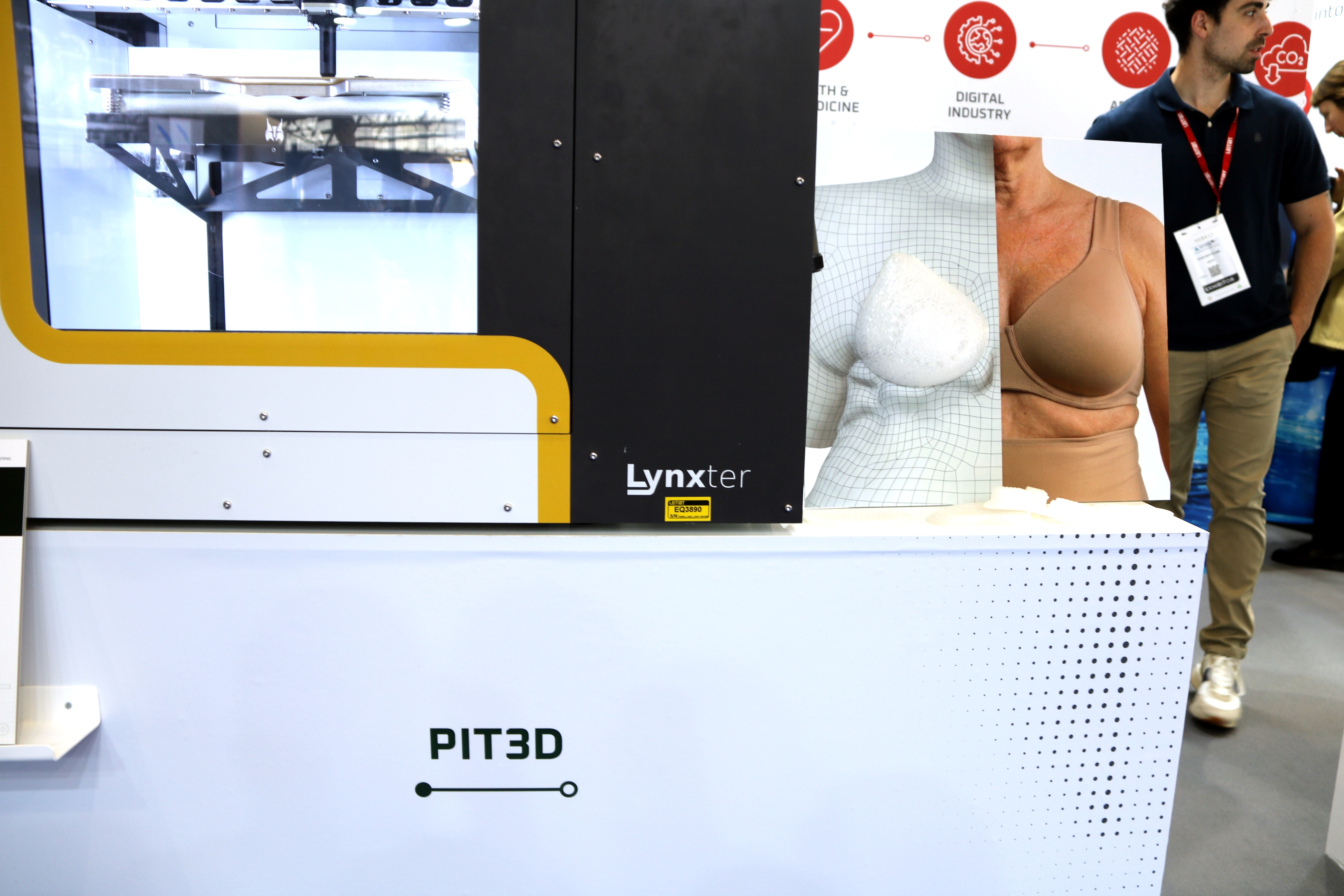
Developed with Sabadell's Parc Taulí Hospital, PIT3D uses body scanning and 3D printing to produce fully personalized prostheses, offering a more accessible and comfortable alternative for patients who often face long waiting times for reconstructive surgery.
The project is currently in the development and clinical validation phase, with early results showing improved comfort and adaptability.
"A few years ago, 3D printing was something hobbyists did at home to make figurines, and now you can print materials like metal, polymers, or silicones," said Sergio Martínez, Leitat's software and AI manager.
He added that the technology has already enabled Barcelona's water utility company to produce its own spare parts by switching from metal to polymer components. "This is a major solution for reducing inventory costs, improving durability, and shortening repair times," Martínez said.