Catalan fishermen squeezed by soaring fuel costs due to war in Middle East
Price increase amounts to an extra cost of about €200 per day for a large vessel
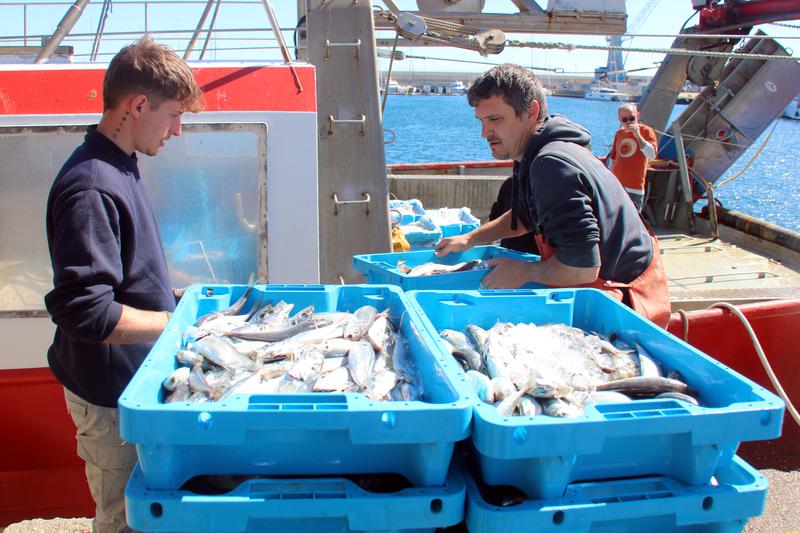

Catalonia's fishing sector is scaling back as diesel prices surge, with industry leaders warning that many boats may soon be forced to tie up if costs remain high. Fishermen say fuel prices have roughly doubled in recent weeks following the war in Iran, adding about €200 a day in costs for larger vessels.
In Tarragona, some boats are now skipping fishing days altogether to conserve fuel and stretch limited operating windows.
"They're taking Fridays off and saving those days for later in the year," said Xavier Domènech, a Catalan fishing representative, pointing to hopes that prices may ease if the conflict stabilizes.
Across the Costa Brava, industry leaders describe a growing sense of uncertainty. Larger vessels, especially trawlers and purse seiners, which consume the most fuel, are among the hardest hit.
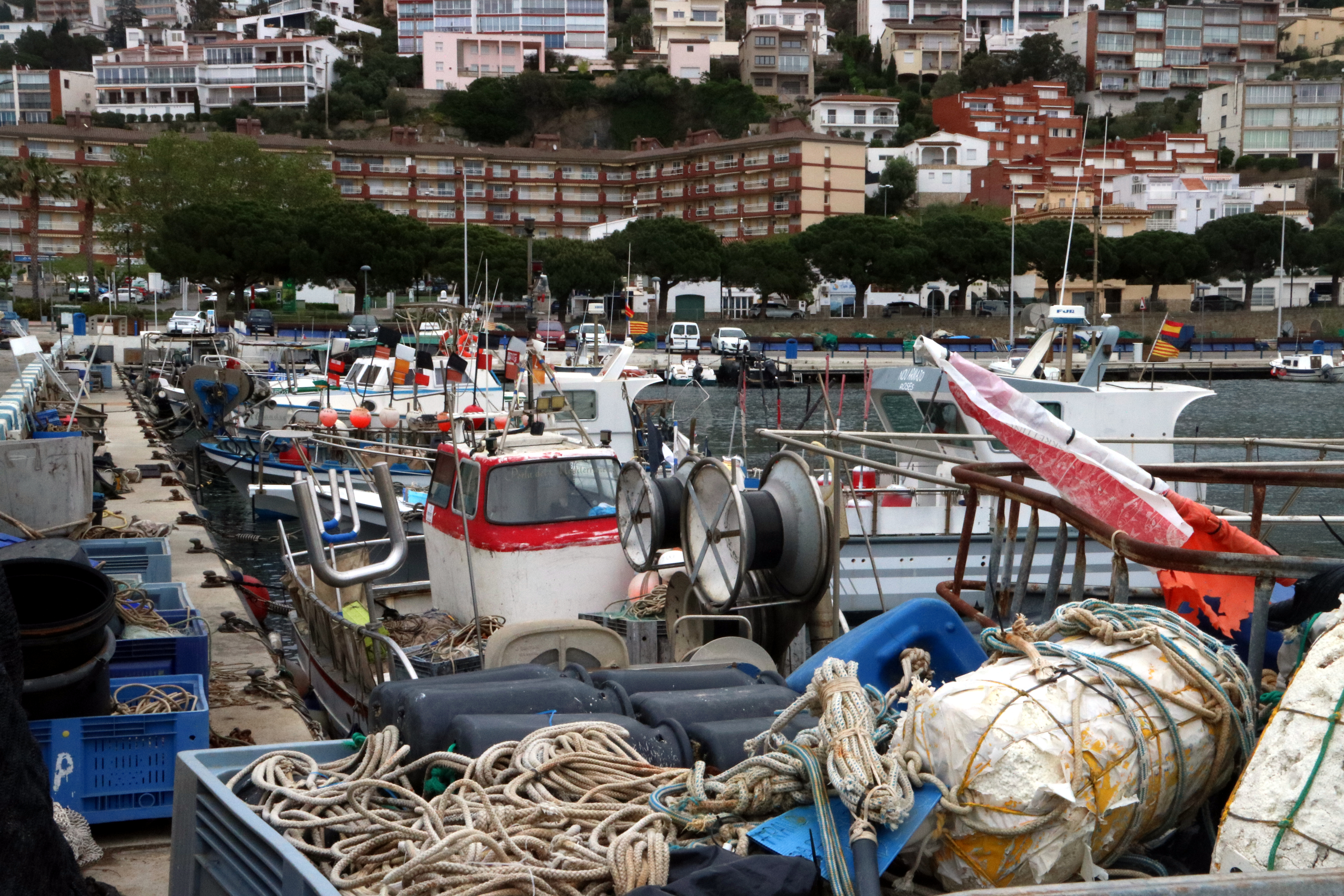
Antoni Abad, head of the Catalan federation of fishermen's association, believes that the planned aid is not sufficient and that "if it doesn't arrive soon" it will "shake" the viability of many companies.
An extra €1,000 a week in fuel costs can wipe out earnings under the sector's profit-sharing model, where crews divide what remains after expenses. Higher fuel bills mean less income for everyone on board.
Ports along the coast are already adapting. In Blanes, boats are returning hours earlier than usual to cut fuel use. What once would have been a full day at sea is now shortened, reducing both catches and costs.
In the coastal town of Palamós, where shrimp fishing is an important economic driver, the situation is even more complex. EU fishing restrictions have reduced shrimp hauls, forcing boats to target other species that require more fuel to catch.
At the same time, diesel prices have climbed from around €0.60 per liter to over €1.30, further squeezing margins.
Fishermen there say the combination of higher costs and lower catches is unsustainable. Some vessels are already staying in port on windier days, waiting for better conditions to make trips more efficient and avoid unnecessary fuel burn.
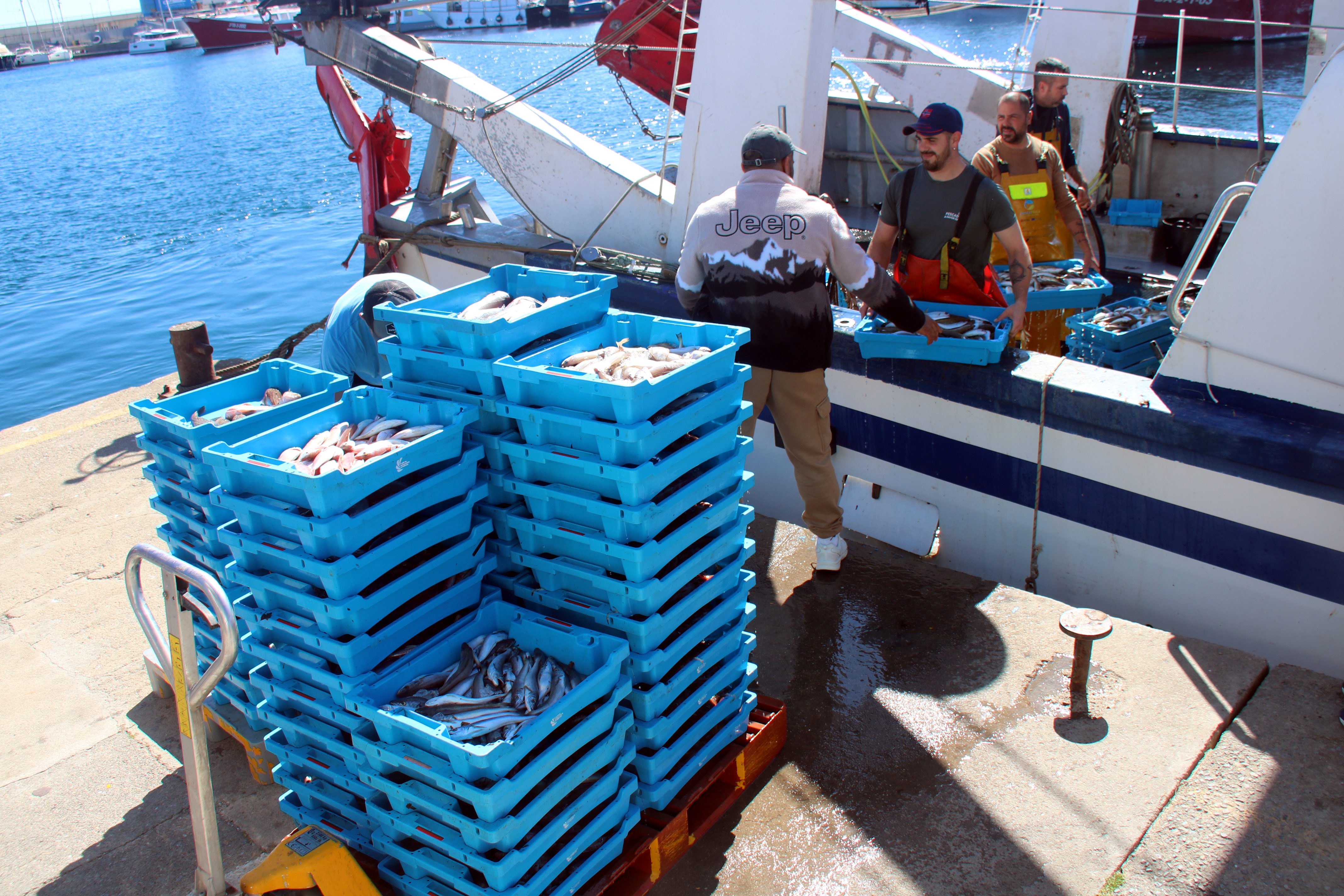
Sector representatives argue that existing government aid, such as per-liter subsidies, comes too late and falls short of what's needed.
Many are calling for immediate, direct fuel discounts at ports instead of delayed refunds.
"If the situation doesn't change and help doesn't arrive soon, the solution will be to stay tied up at the dock; because a point will come when we can't afford the extra cost," warned a head boat captain from Palamós.
The industry, already strained by years of disruptions, from the pandemic to regulatory limits and earlier energy shocks, this new conflict means the sector has accumulated six years of instability.