Barcelona's Llotja de Mar opens its doors to the public
Ground floor of Chamber of Commerce building will be accessible for free with guided tours of other parts of the building
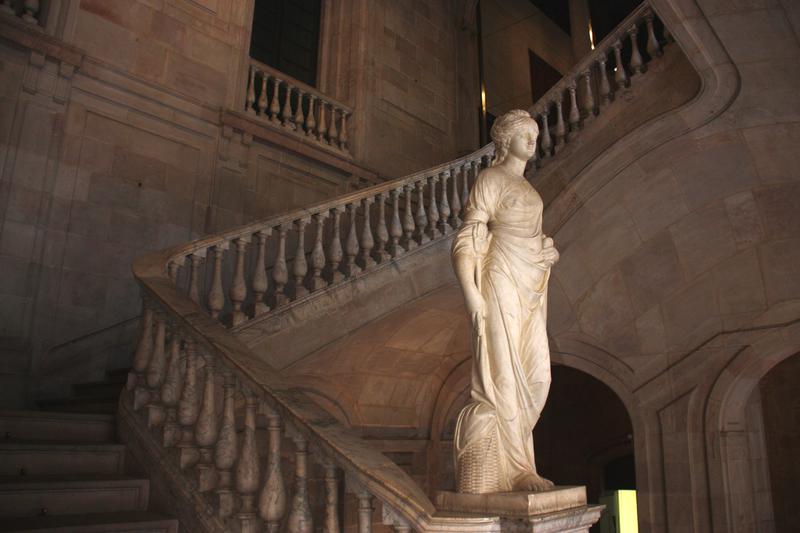

The Llotja de Mar, which is the headquarters of the Barcelona Chamber of Commerce, will open its doors to the public starting Thursday, July 23.
For the first time, the building will be accessible for free on a regular basis.
The ground floor will be open from Monday to Sundays, from 11 am until 5 pm.
The Chamber of Commerce has more than 700 years of history, and the public can now get guided tours of the space during periods of lower commerce activity, such as the summer.
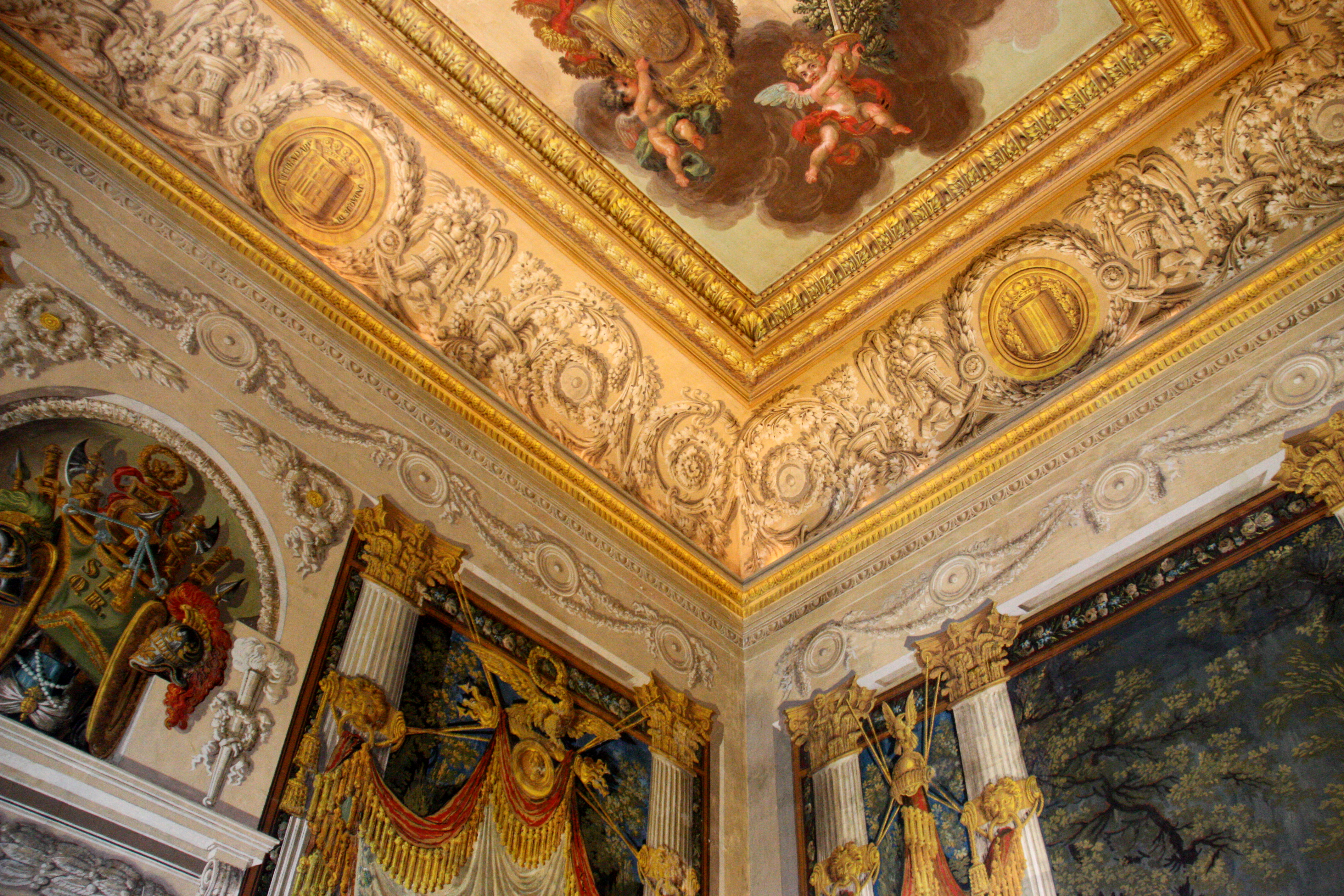
The president of the Chamber, Josep Santacreu, explained that the aim is to open up a building that is "quite unknown" outside the business world.
Free access to the building through the Pla de Palau entrance will depend on the events hosted at the building, which will continue to function as the Chamber's headquarters.
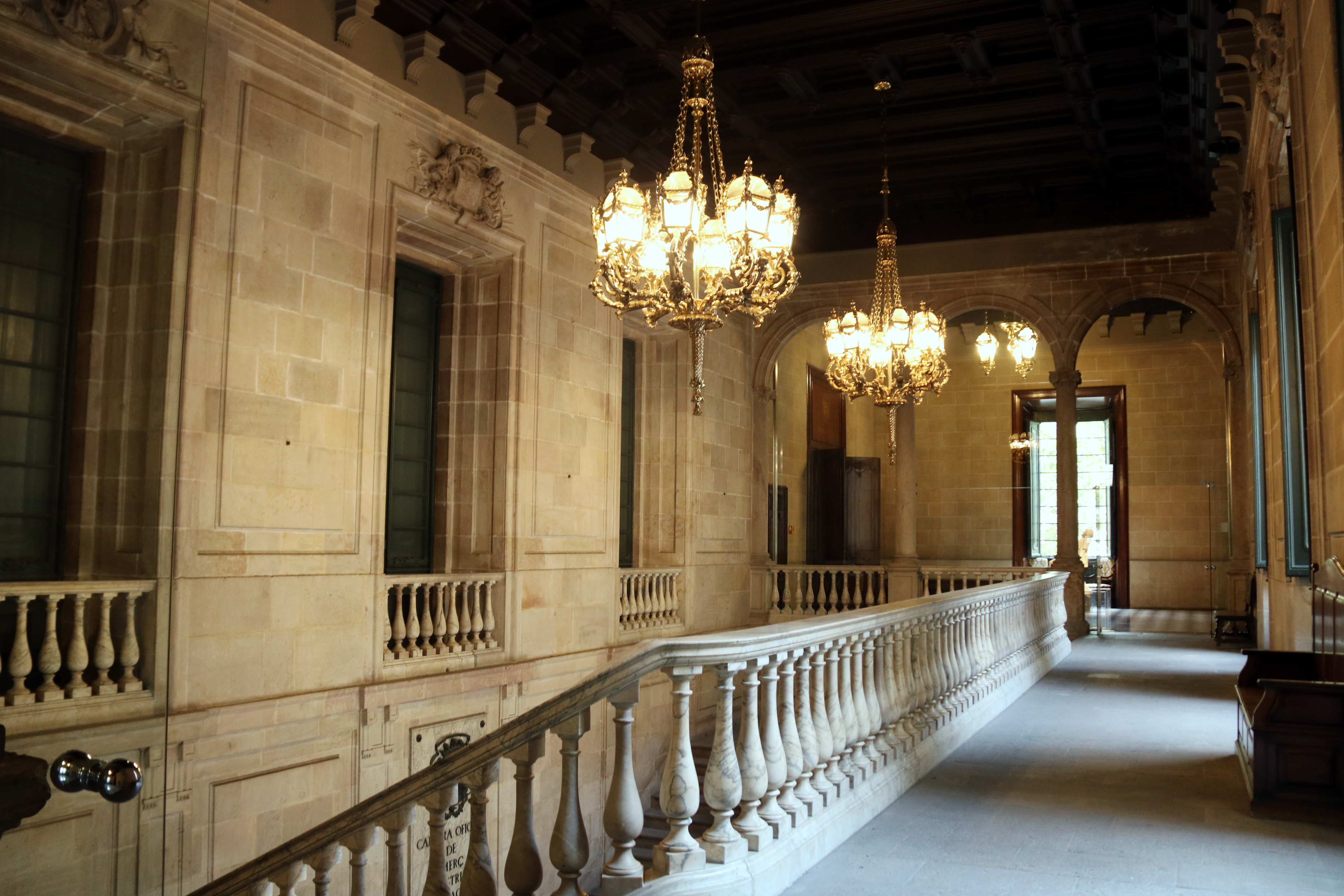
The ground floor of the building will be open for free, while paid guided tours will allow visitors to explore other areas of the building.
Summer will be the period with the greatest availability for visits, as companies and institutions in the building are less active during this time.
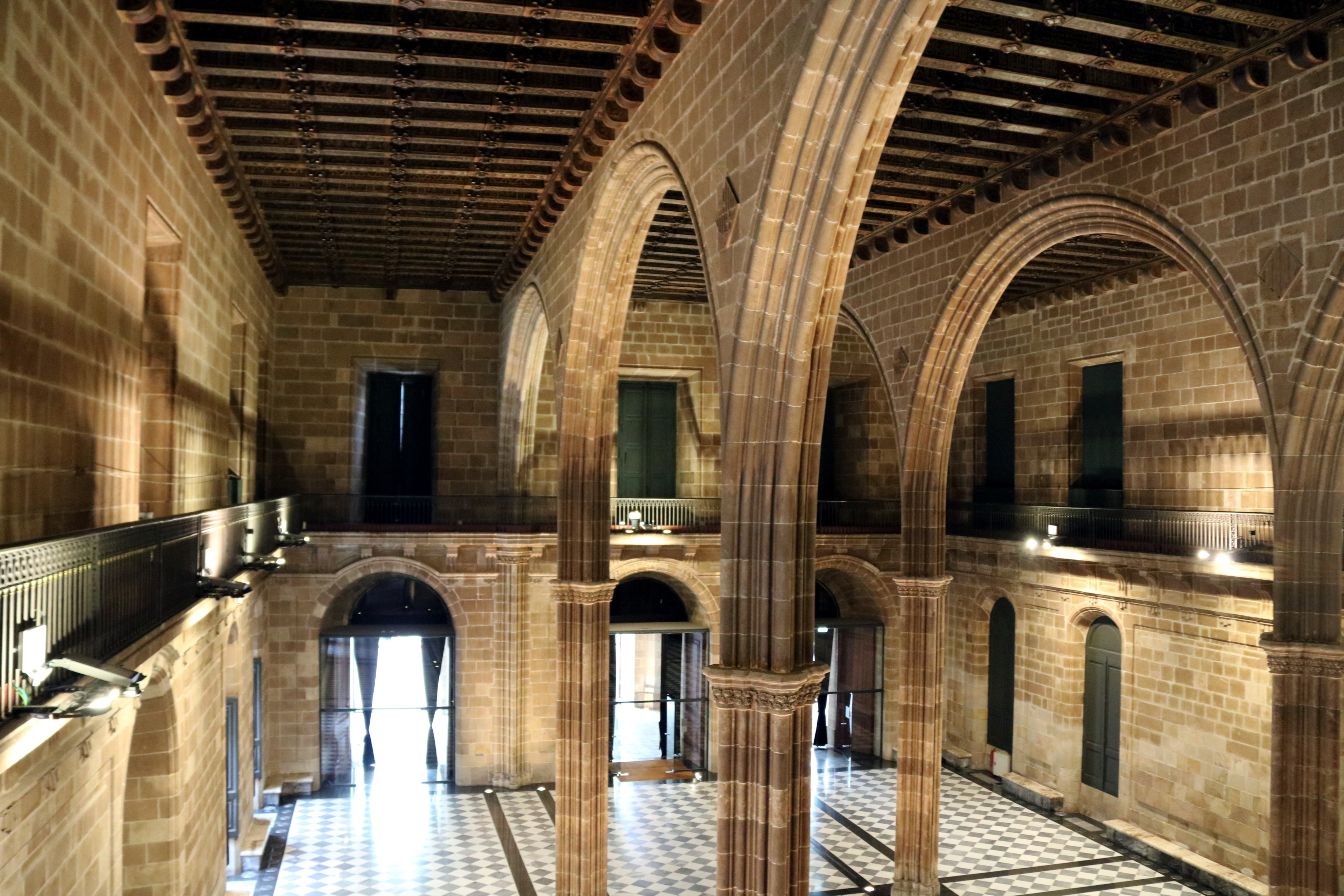
"Any citizen, just like they visit the religious Gothic style buildings, should be able to visit the civil Gothic buildings," said Santacreu.
He added that the building combines a medieval structure with the neoclassical style popular in the 18th century, which shapes much of its current external appearance.