African swine fever virus in Cerdanyola differs from CReSA research lab strains, according to report
Barcelona's Institute for Biomedical Research says findings are not conclusive and have been sent to Spain's agriculture ministry
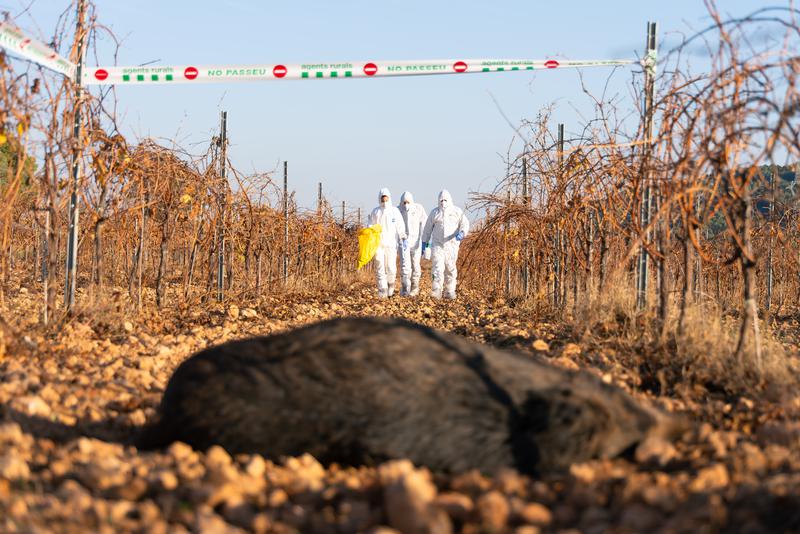

The variant of African swine fever (ASF) virus detected in wild boars in Cerdanyola does not match the strains used at the IRTA-CReSA research centre, according to an analysis by the Institute for Biomedical Research (IRB Barcelona).
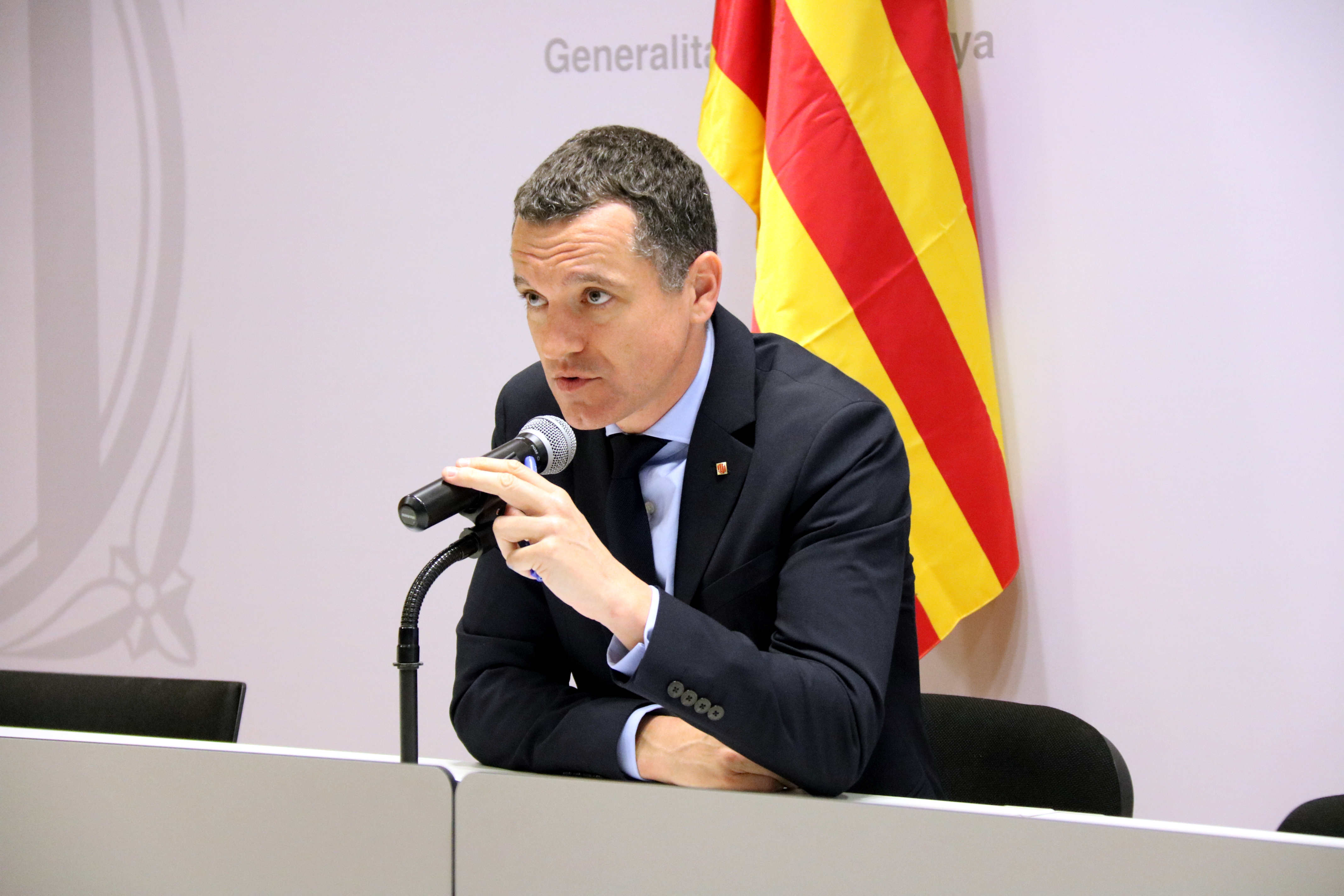
Catalonia's agriculture minister, Òscar Ordeig, announced the findings on Tuesday following virus sequencing by the IRB.
The laboratory received 19 samples from CReSA, 17 of which it has analysed; two more, which were frozen for more than five years, remain pending.
The IRB found that the DNA does not match and believes the virus may represent a new, less virulent variant.
The Catalan government has sent the results, which are not conclusive, to Spain's agriculture ministry for an official report.
Investigation
The IRB report is part of the Catalan government's wider investigation into the outbreak's origins, which also included an audit of CReSA facilities that concluded they were secure.
Speaking to reporters, the agriculture department's Cristina Massot and IRB's Toni Gabaldón stressed that the report alone does not allow the government to rule out CReSA as the source of the outbreak, as the final report will come from Spain's designated European reference laboratory, based in Madrid.
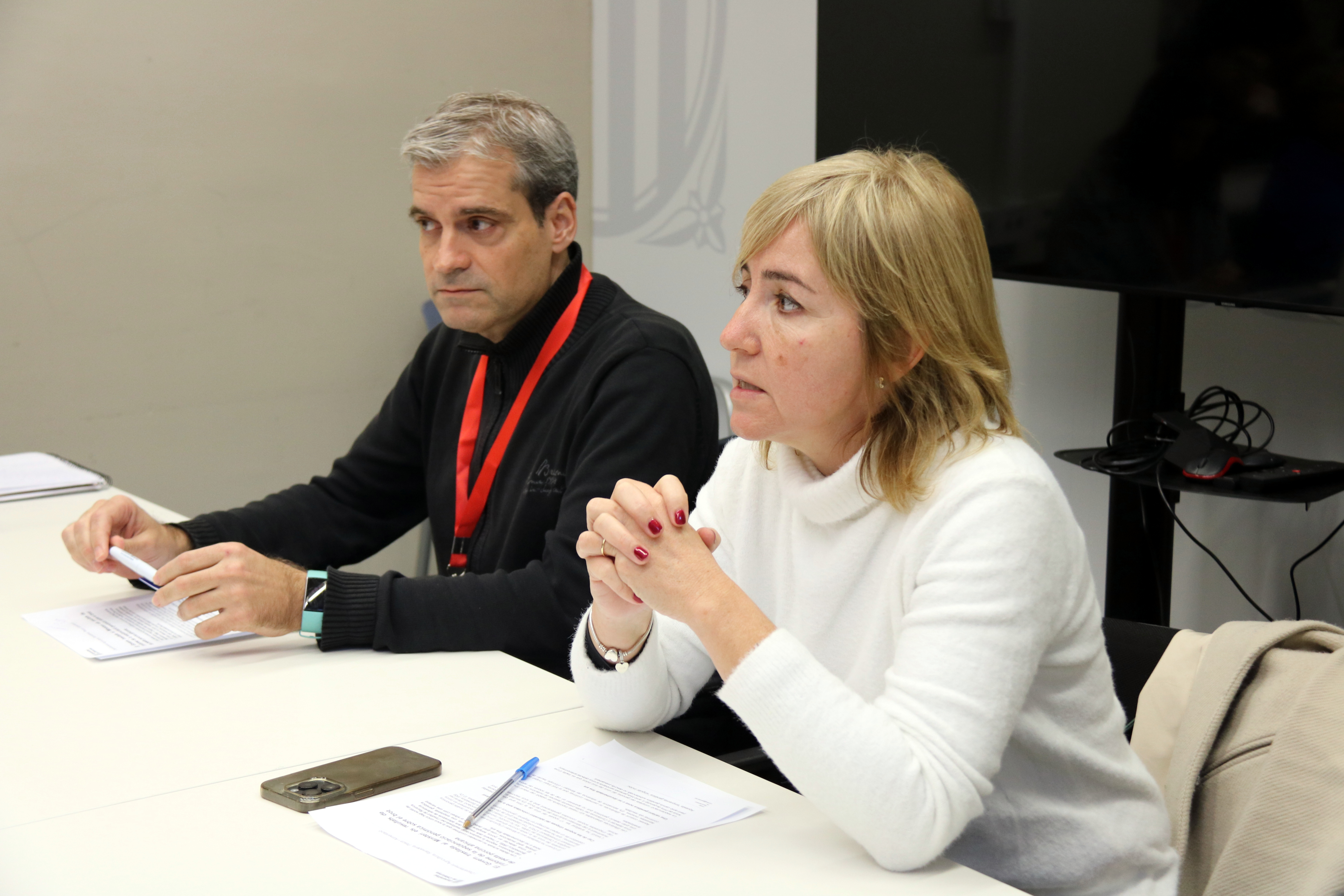
Gabaldón noted that the scientific methodology at both labs is identical. "I would expect the same results," he said, while urging caution until the official report is issued.
None of the analysed samples matched the virus from the first two wild boars found dead in Cerdanyola, outside Barcelona.
They also do not match any of the roughly 800 ASF variants circulating worldwide, though the closest resemblance is to the Georgian strain, differing by 27 mutations.
Based on these findings, the IRB believes the virus is a newly evolved, low-virulence variant created through accumulated mutations. Gabaldón added that the outbreak's precise origin may never be definitively known, leaving only hypotheses.
Two more wild boar deaths
On Monday, Spain's Ministry of Agriculture confirmed two additional wild boars had died from African swine fever (ASF), bringing the total number of confirmed cases to 29.
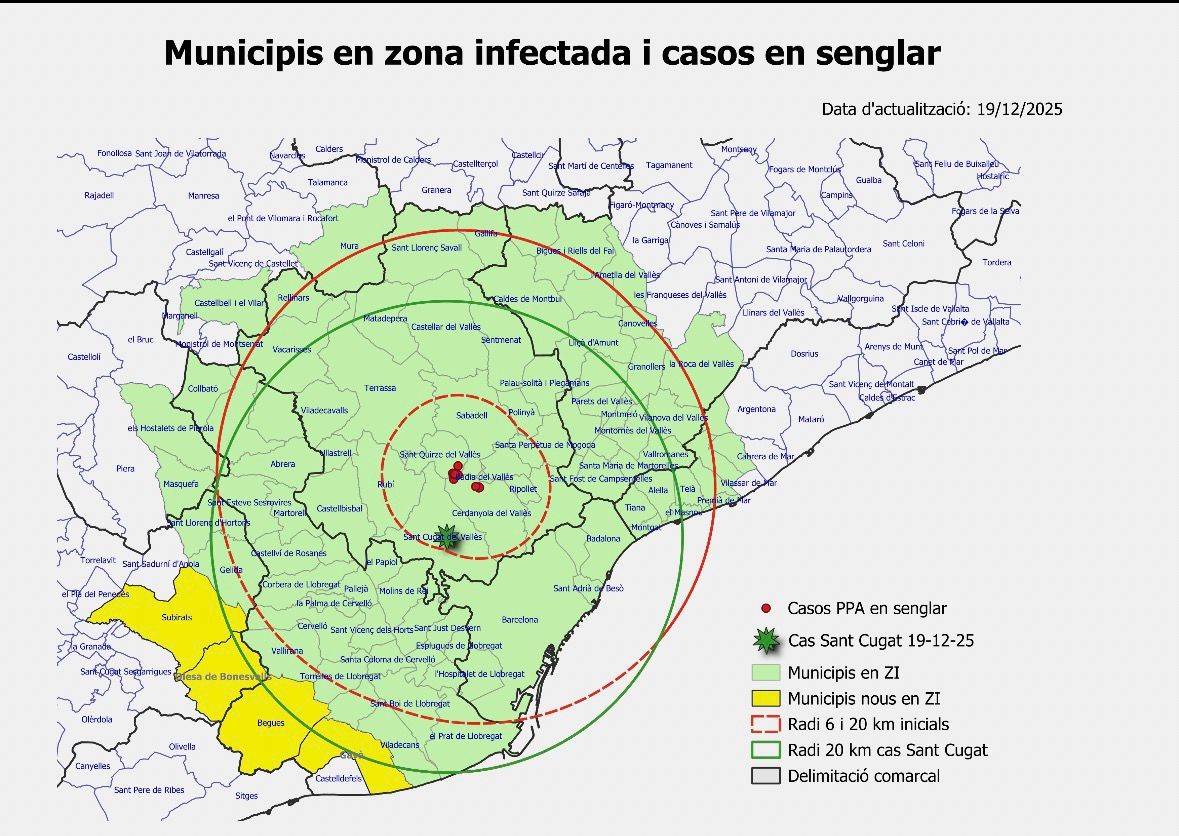
The animals were found within six kilometres of the site of the first confirmed case, meaning no new municipalities are affected.
To contain the outbreak, authorities have established a high-risk containment zone covering a 6-kilometre radius around confirmed cases. Access to forests, rivers, meadows, and parks or paths outside urban areas is prohibited within this zone.
The restrictions do not apply to homes, indoor businesses, restaurants, or sports facilities.
Visitors to natural parks such as Collserola and Serralada de Marina should note that parts of these parks fall within the high-risk area, including the municipalities of Cerdanyola del Vallès, Sant Cugat del Vallès, and Montcada i Reixac.
Officials stress that African swine fever does not affect humans, so the restrictions are aimed at preventing the spread among wild and domestic pigs.