African swine fever: Spain raises wild boar death toll to nine
Catalonia launches boar population control plan and strengthens biosecurity measures on farms
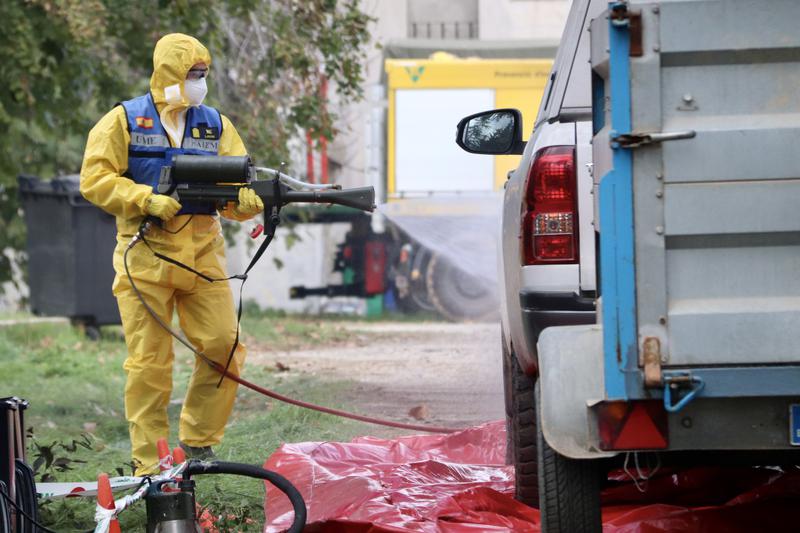

Spain’s Ministry of Agriculture has confirmed that nine wild boars found dead in Catalonia have tested positive for African swine fever (ASF).
In a statement on Tuesday afternoon, the ministry said all cases were verified by the Central Veterinary Laboratory in Algete, Madrid.
The seven new positives were detected in the same area as the initial two cases reported on Friday, near Cerdanyola del Vallès on the outskirts of Barcelona.
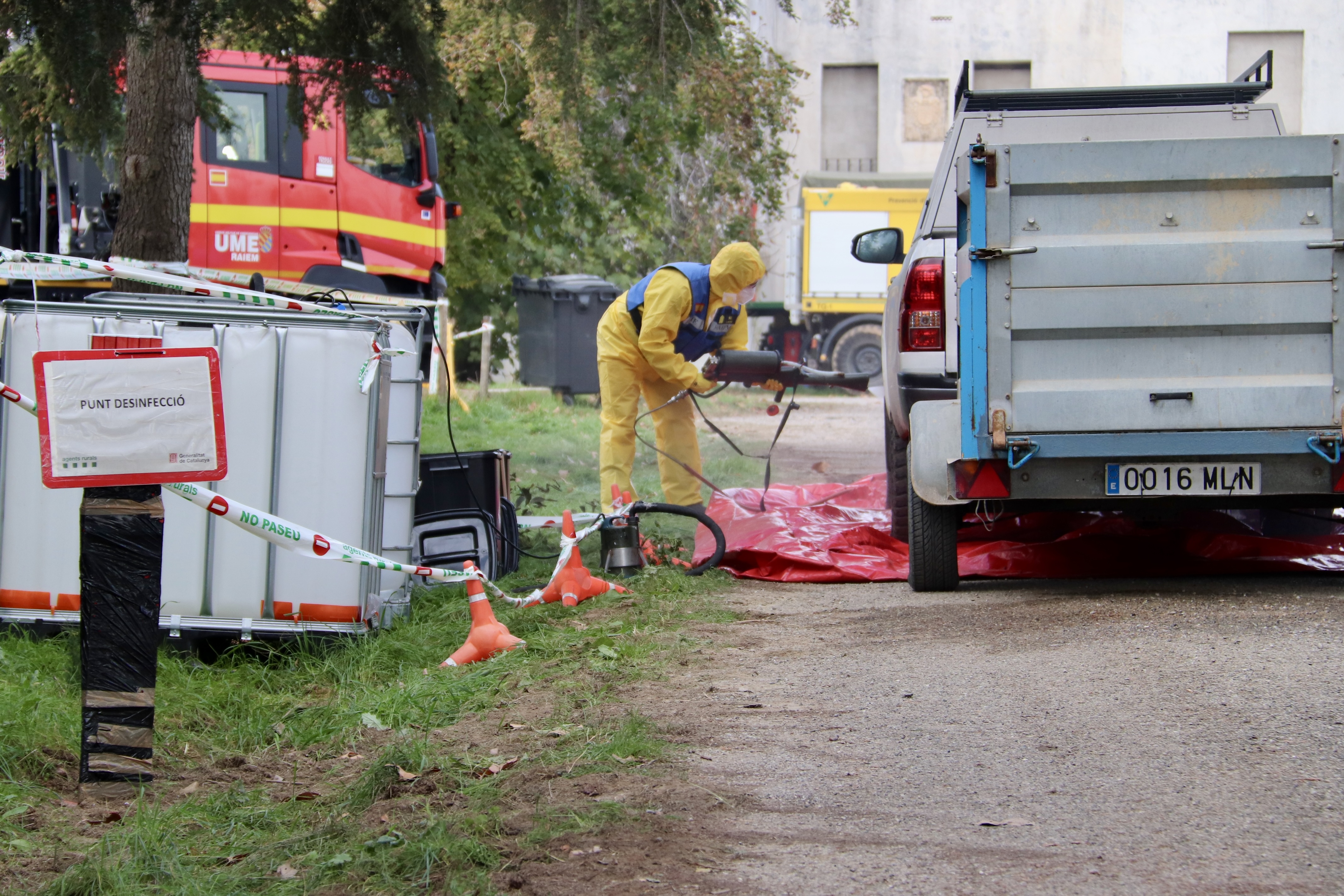
The Spanish government has notified the European Commission and the World Organisation for Animal Health (WOAH).
The ministry reiterated that all tests carried out at pig farms within the 20-kilometre surveillance zone have so far come back negative, and no symptoms or lesions compatible with ASF have been detected in domestic livestock.
African swine fever does not spread to humans, either through direct contact or by consuming pork products.
Population control plan
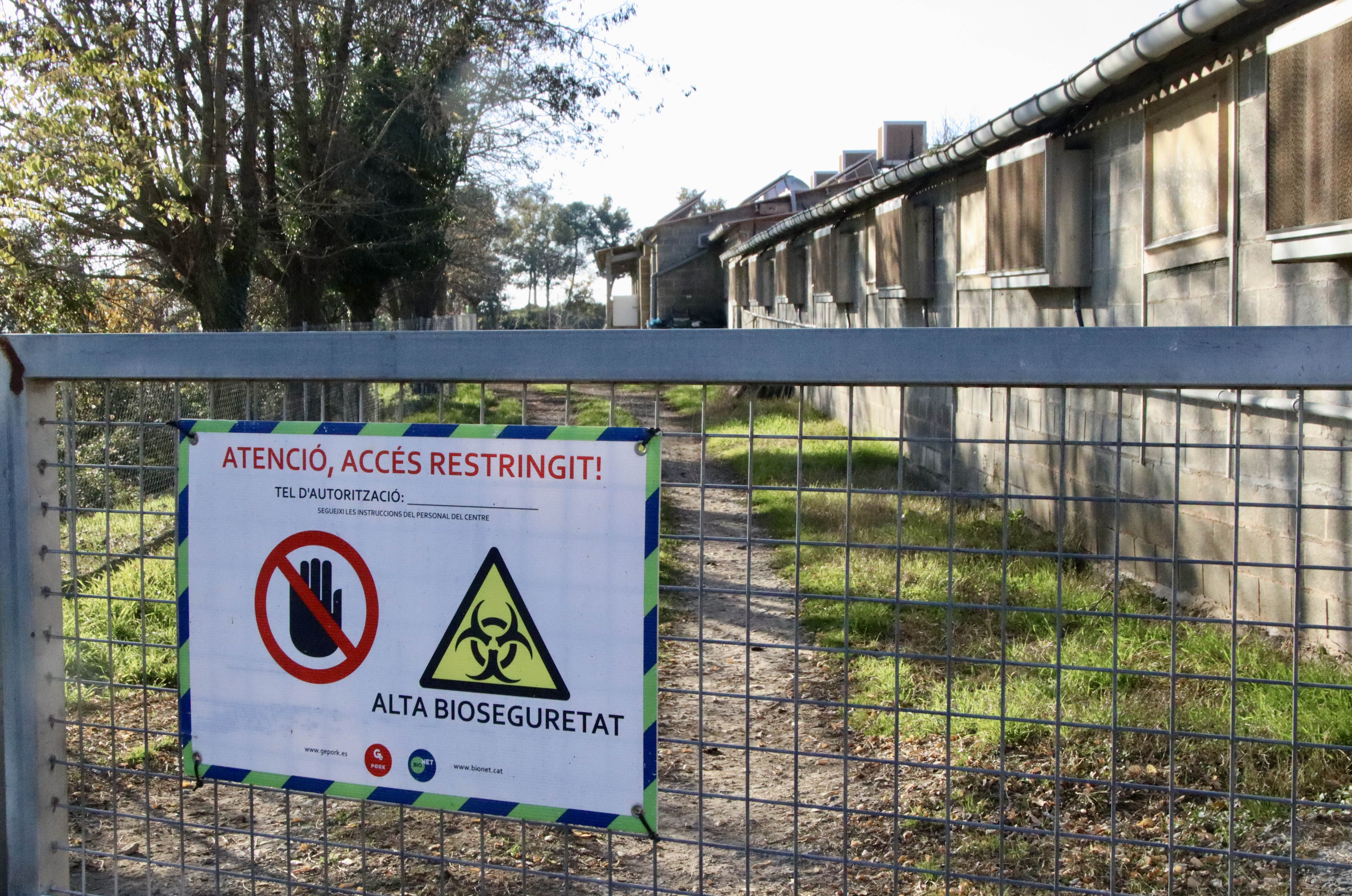
Catalonia will roll out a wild boar population control plan and strengthen biosecurity measures on farms following the outbreak of African swine fever.
Minister for Agriculture Òscar Ordeig said on Tuesday that authorities will meet with agricultural organizations and all of Catalonia's mayors to implement the plan.
The announcement came after a meeting with mayors and representatives from the 18 municipalities in the area closest to the outbreak.
"We know [wild boars] are a vector of transmission and that there is overpopulation," Ordeig said.
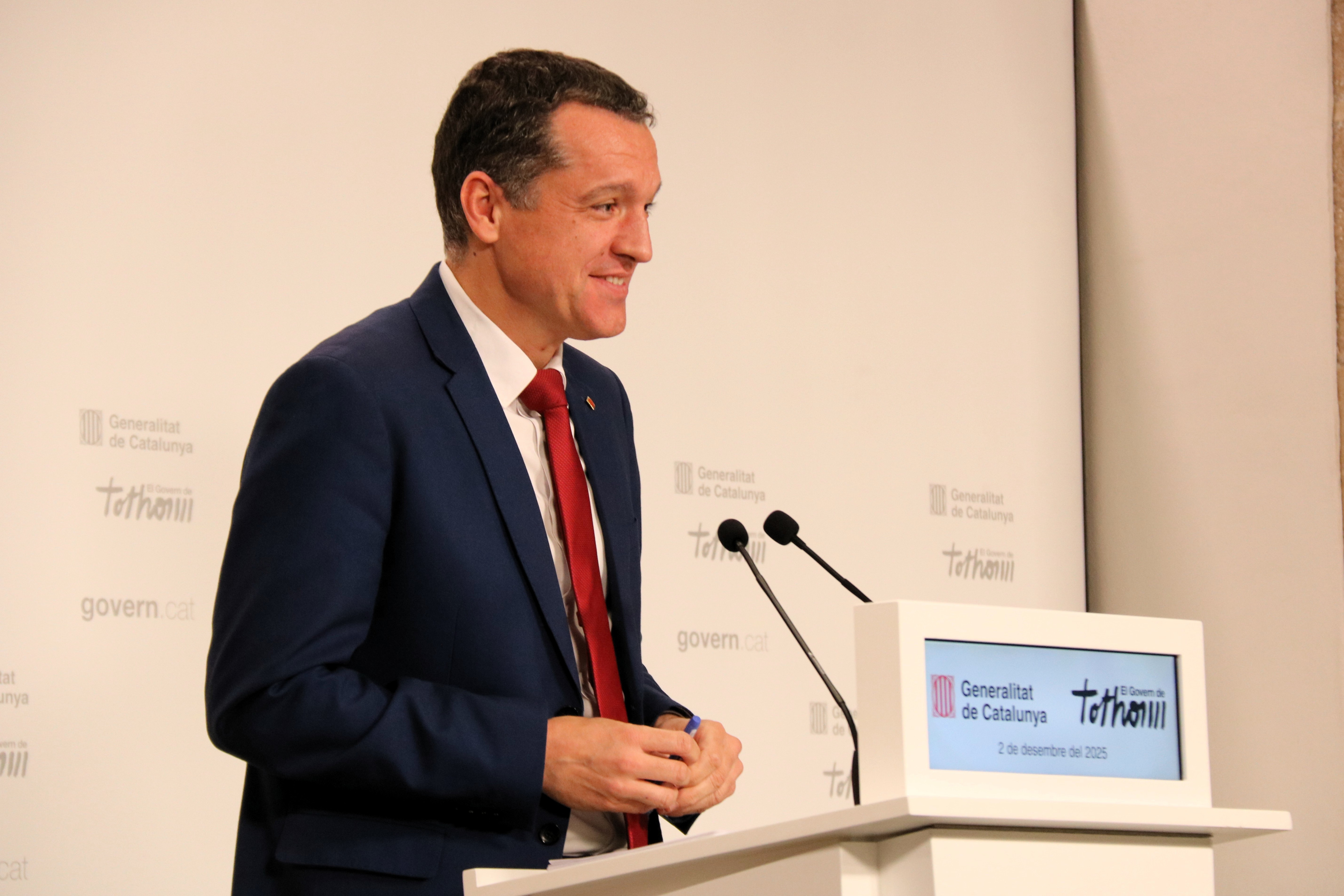
He also confirmed an action plan to reinforce biosecurity in all farms across Catalonia and called for caution in reporting, emphasizing – at the time – that the number of confirmed cases remained at two.
Ordeig added that the 400 personnel deployed had now completed the first inspection of the six-kilometre zone.
Regarding the economic impact, Ordeig said it was still "too early" to detail the support measures for the pork sector, as the economy department was still working on them.
He noted, however, that farmers already have urgent access to a €50 million credit line from the Catalan Finance Institute (ICF).
Spanish army presence grows
The number of Spanish army personnel deployed to the epicentre of the African swine fever outbreak rose to 150 on Tuesday.
The Spanish government's delegate in Catalonia, Carlos Prieto, explained that an initial contingent of 75 troops was quickly increased to 117, and has now reached 150.
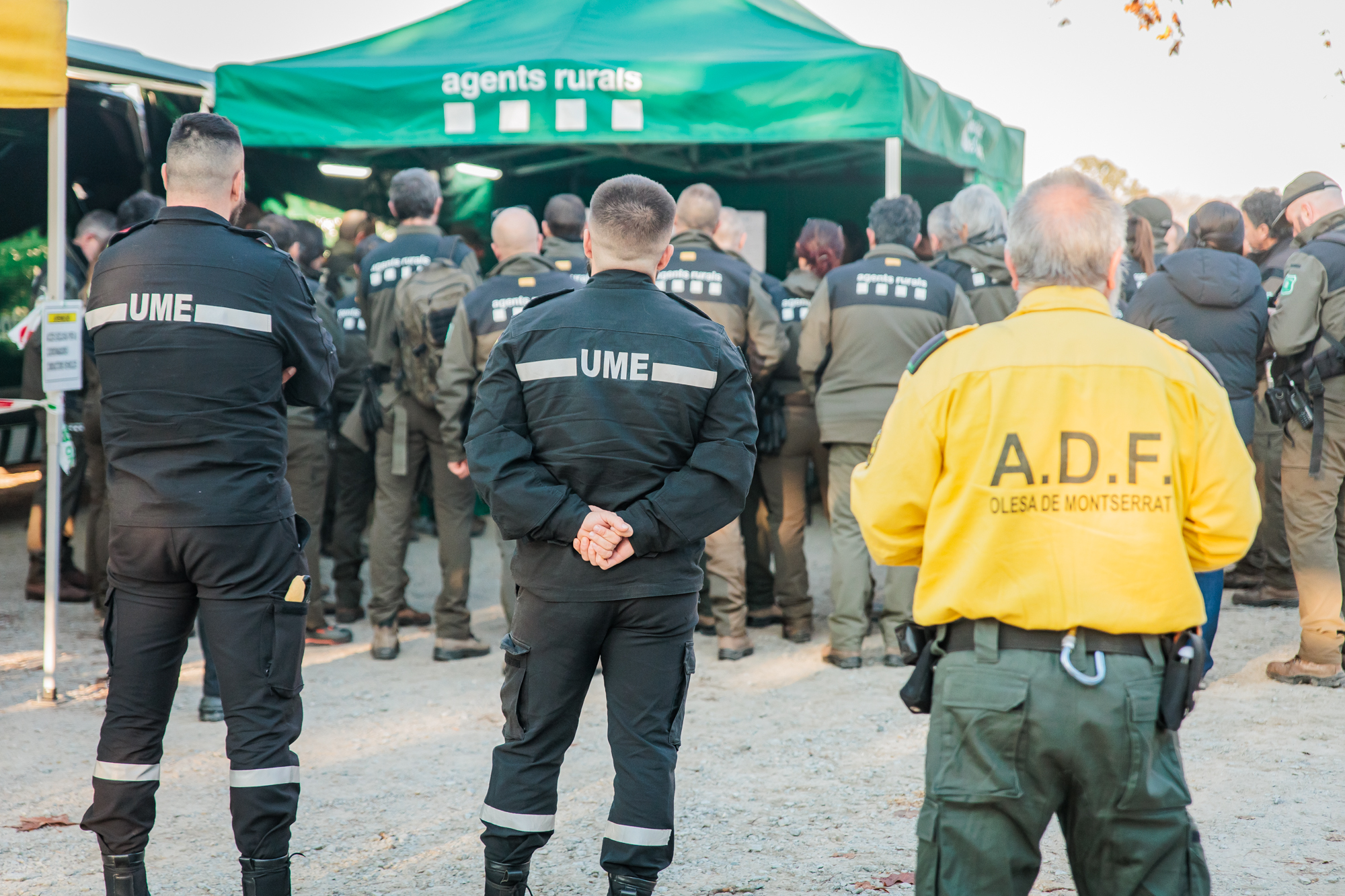
They are working within the 20-kilometre high-risk zone, with more than 25 vehicles from different units and three decontamination teams.
Speaking to reporters, Prieto called for "calm," addressing consumers, pork producers and importing countries.
Pork sector
The Catalan Association of Pig Producers (PORCAT) has warned of a "sharp and sudden" drop in pork prices.
In statements to the Catalan News Agency (ACN), the association's director, Ricard Parés, said the situation particularly affects exports outside the European Union, which account for roughly one-third of the total.
Parés pointed out that the sector provides employment to more than 20,000 people directly and indirectly in Catalonia, and called on authorities to be "ready" to activate aid quickly if needed.
Pork prices have fallen to historic lows due to the African swine fever outbreak and are the lowest in Europe.
The key, Parés said, is to maintain access to European markets, which are currently the only ones still open.
"If exports within the European Union hold steady, even with the overall drop in exports, we can preserve the bulk of our sales," he added.
Catalonia has an annual pork export volume of €3 billion, and roughly one-third of its non-EU exports are affected by this outbreak.