Catalonia creates biosecurity committee to probe possible lab origin of ASF outbreak
The IRTA research center sits close to the spot where the first two infected wild boars were found
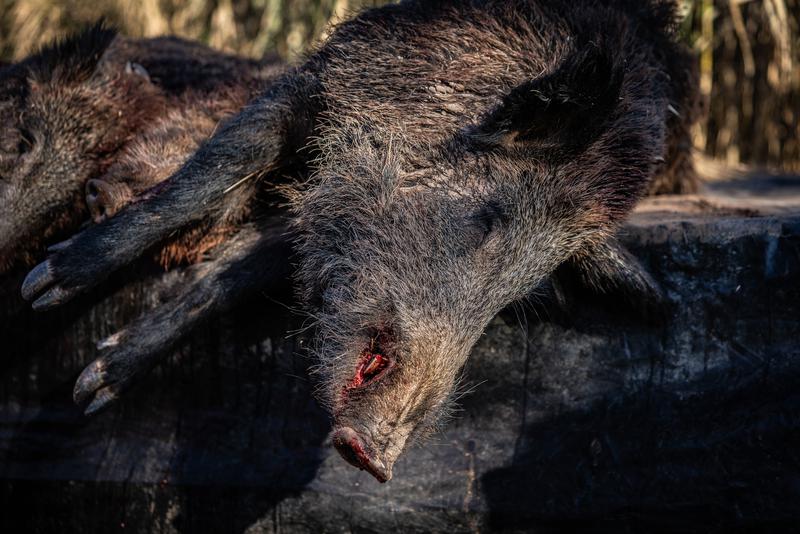

Catalonia on Monday set up a committee that will audit research centers to determine whether the African swine fever (ASF) outbreak may have originated from a laboratory.
The committee will be made up of six biosecurity experts and coordinated by Josep Usall, director of IRTA, the very center now under scrutiny due to the lab-leak hypothesis.
IRTA, located less than one kilometer from where the first two infected wild boars were found, along with other centers that conduct ASF research, will be evaluated to determine "whether there is any potential risk" of a laboratory escape.
The measure was announced by Catalan agriculture minister Òscar Ordeig, who called for "prudence" and urged the public to let scientists "do their work."
"This will be a crucial week to obtain more information," he said.
The coordinator of the committee will be Laura Pérez, head of animal and biological security at Madrid's Animal Health Research Center (CISA).
Other specialists, including Basque researchers, international experts, and IRTA personnel, will take part in the investigation.
"They will analyze protocols, facilities, workflows, and the types of live and dead samples handled in the laboratories to determine whether any potential lab-leak risk exists," Ordeig explained.
The lab-leak theory has gained traction in recent days after sequencing showed that the virus found in the infected wild boars is very similar to the strain typically used in research laboratories.
Reopening of Asian markets
The agriculture minister also confirmed the "good news" of the reopening of pork exports to South Korea, a market worth €112 million.
On Sunday, South Korean authorities agreed to limit the ban on Catalan pork products to a 20-kilometer perimeter around the affected area, rather than extending it more broadly.
For Japan (a €349 million market) and the Philippines (€125 million), the Catalan government says it is maintaining "high-level discussions" to convince both countries to follow South Korea’s approach and restrict import limits only to the affected perimeter.
China, however, has decided to maintain a ban on imports from the entire province of Barcelona.
Aerial surveillance
With all natural areas in 91 towns around Barcelona closed due to the ASF outbreak, authorities have conducted weekend patrols to prevent unauthorized access.
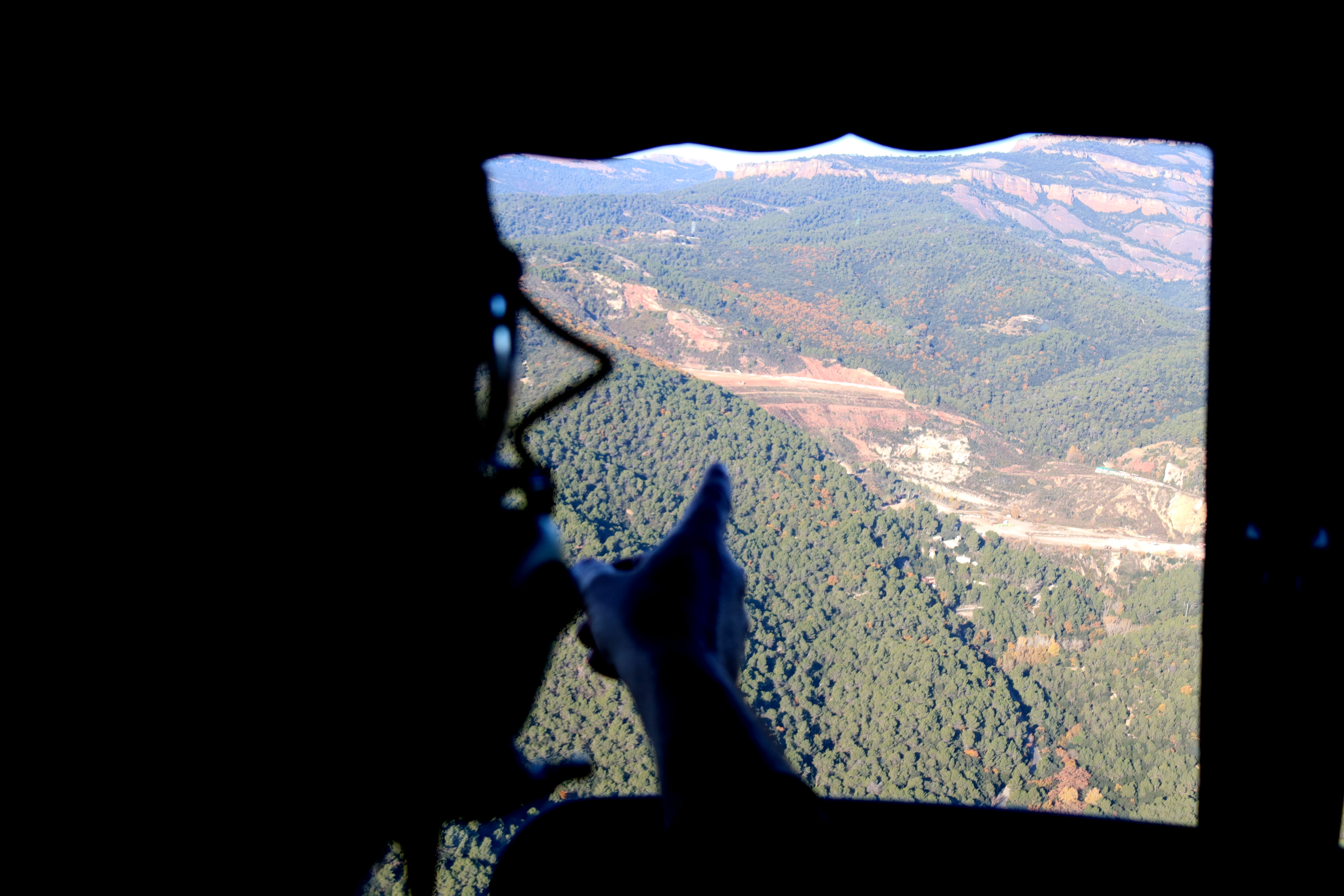
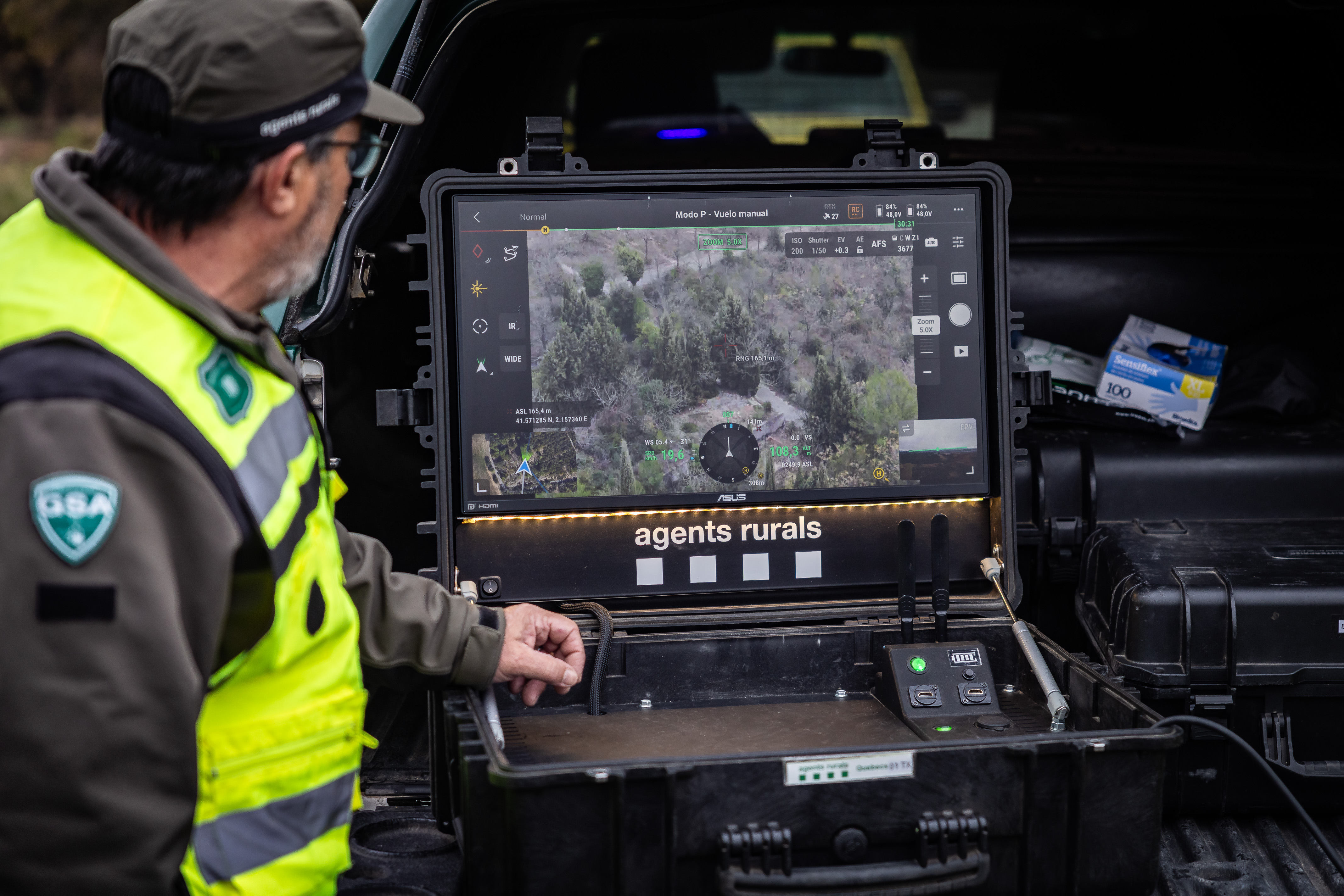
In Collserola, Sant Llorenç, and Montserrat, popular weekend destinations, forest rangers, known in Catalonia as Agents Rurals, have carried out aerial surveillance to detect any infractions.
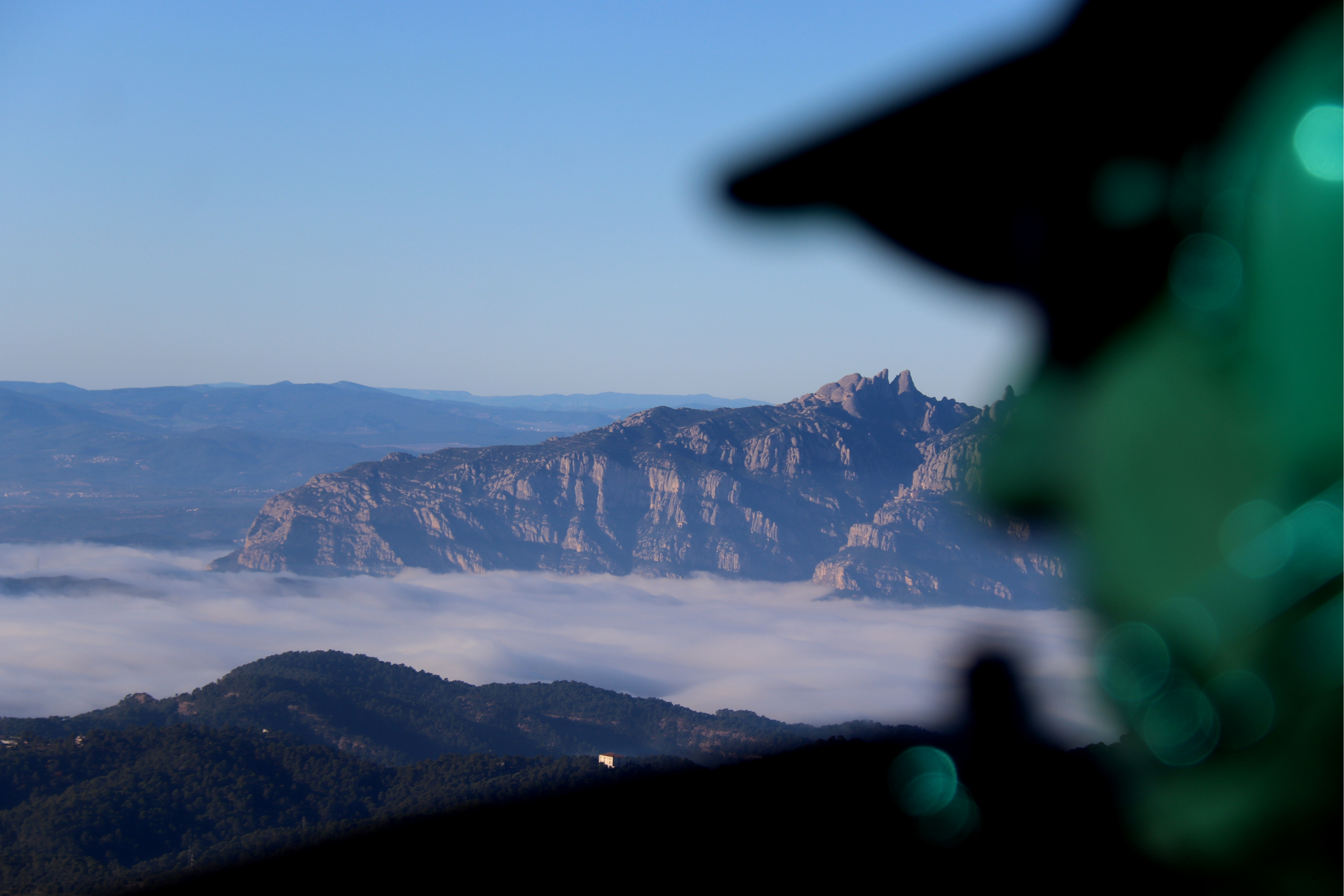
Over the weekend, no violations were reported, and the rangers did not need to alert the Mossos d’Esquadra police, something they welcomed and credited to the public’s cooperation.
"We must congratulate citizens for complying with prohibitions and restrictions," said Quico Rivera, deputy head of the forest rangers.
However, he urged people not to let their guard down, stressing that while the virus does not affect humans, people remain the main source of transmission and measures must continue to be respected.