PM Sánchez and Vox leader Abascal lead social media race ahead of election
Far-right Vox and left-wing Podemos top list of political parties on social media
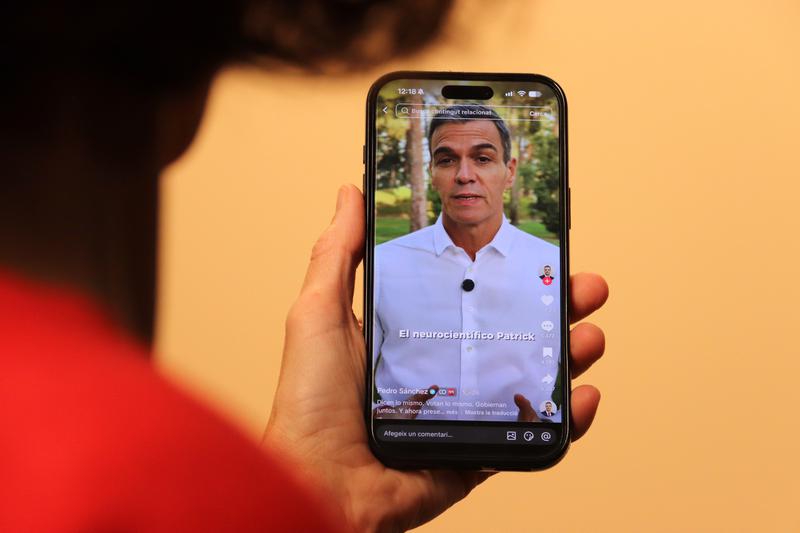

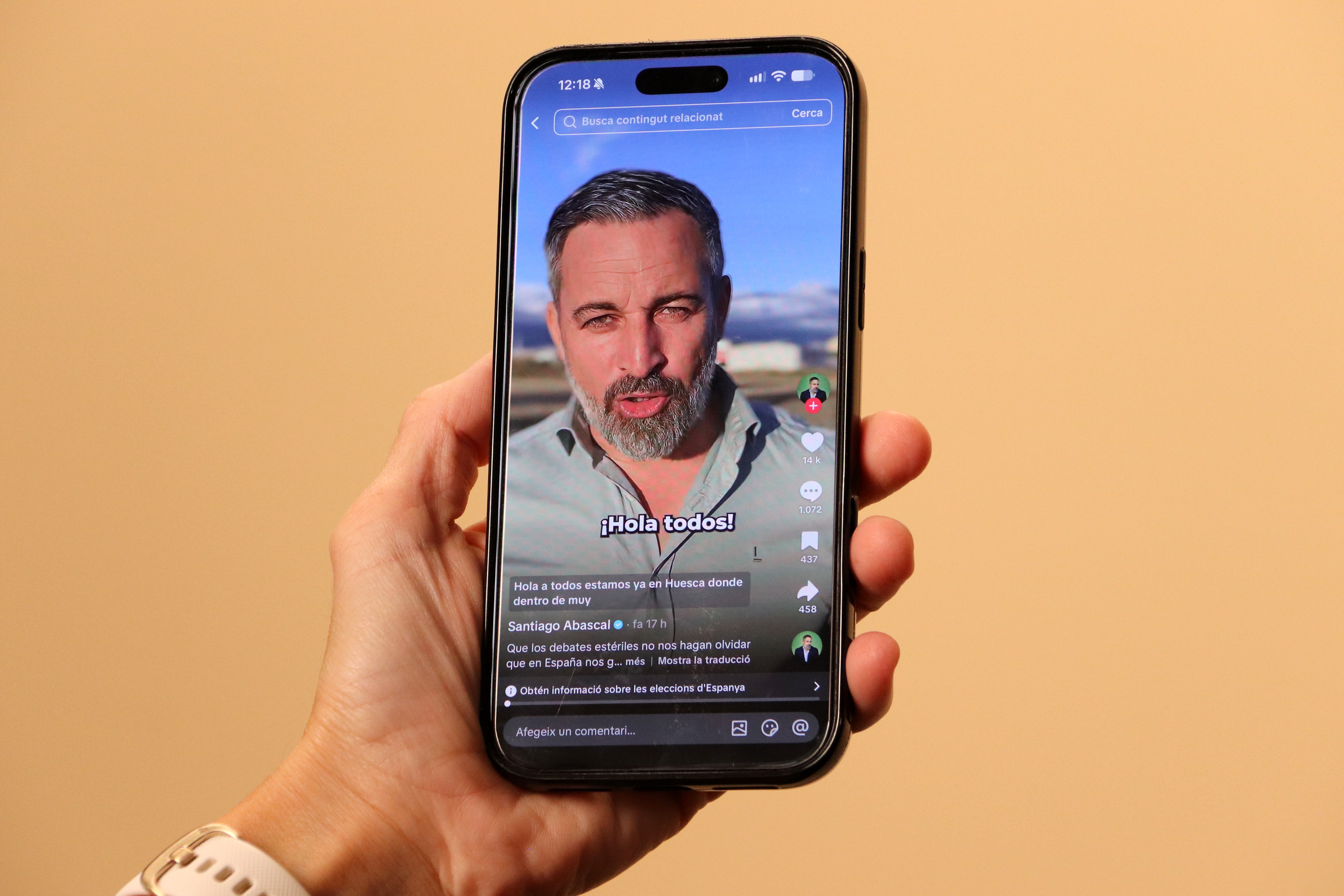
Spanish Prime Minister Pedro Sánchez and Vox leader Santiago Abascal are the political leaders with the most followers on social media ahead of Spain's November 29 general election, while Vox and Podemos top the rankings among parties.
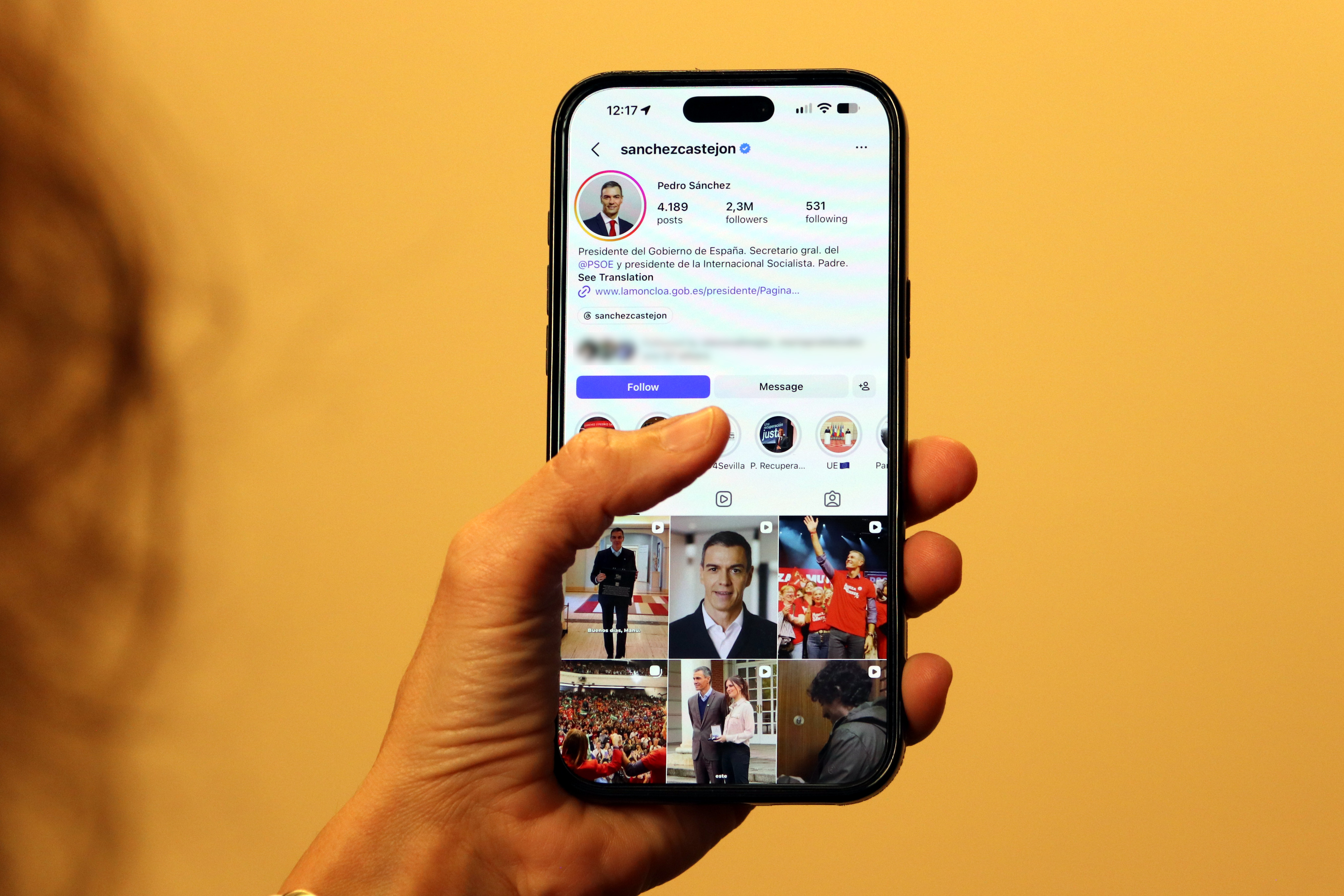
Sánchez, of the Socialists, has a combined 6.7 million followers across Instagram, TikTok and X, followed by Abascal with 3.8 million. Vox has nearly 3 million followers, ahead of Podemos with 2.2 million.
Several experts told the Catalan News Agency (ACN) that political parties have turned social media into a "priority channel," dedicating "time and resources" to producing content tailored to each platform.
They believe these are the first elections in which candidates have successfully "adapted" their image and messaging to the conventions of social media.
Social media "turned the tables" on traditional media
Political communication consultant Xavier Tomàs said most politicians are "beginning to realize" they must dedicate time and resources every day to content tailored to the language and format of social media.
Mariola Tàrrega, a researcher at the Open University of Catalonia (UOC), said this is the "first time" candidates have successfully adapted their image to the "language of social media."
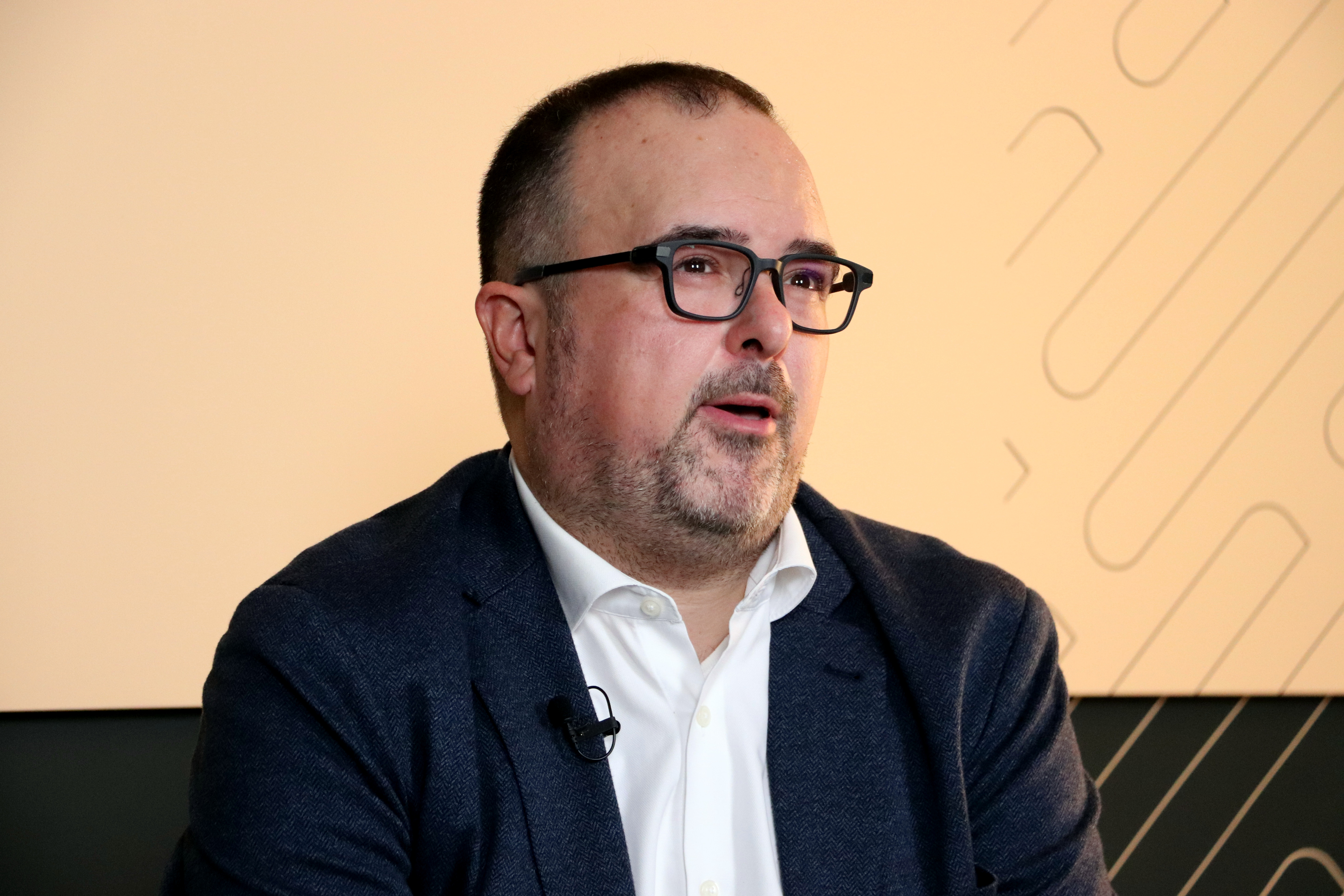
In some cases, she said, social media content has become more significant than what traditional media produce.
"Original content is now being created specifically for social media, it's no longer just a rehash of what the media publishes, and, quite often, it is this content that actually generates the news," Tàrrega said.
As an example, she cited Vox's refusal to appear on the podcast of popular Spanish podcaster Jordi Wild, which generated headlines and discussion in traditional media.
Reinald Besalú, a researcher at Pompeu Fabra University (UPF), attributed the shift to the large audiences of these channels and to the fact that many of their users are "depoliticized," making the platforms an "alternative route" to reach them.
Social media also lets politicians reach the public directly and keep "absolute control" over their message, without facing questions from journalists, he said.
All three experts agreed that candidates commonly have far more followers than their parties. "It is more appealing to follow a human face than a logo," Tomàs said, adding that following a politician does not necessarily imply support, while following a party might.
He said candidates who show themselves in "everyday situations," such as at home, at the gym or on a bus, create a "mirror effect" that helps them overcome the "aversion" that a formal, institutional setting can cause.
Leaders, who address a broader electorate, can "leverage aspects of their own personality," Tàrrega said, which makes it easier for them to reach more people.
Parties
Across X, Instagram and TikTok combined, Vox has nearly 3 million followers, double the Socialists’ 1.44 million, and 2.5 times the conservative People’s Party's 1.21 million. Podemos is the closest to Vox with 2.2 million. Left-wing Catalan pro-independence party Esquerra Republicana (ERC) is fifth with 472,000, ahead of Junts with 180,000.
The Broad Front, which created new profiles after its recent formation, has 134,000 followers. The old accounts of Sumar, the coalition it succeeds, still hold nearly half a million.
Each party relies on a different network. Podemos, the PP and the Socialists have most of their followers on X, which accounts for 71% of the PP's followers, 63% of Podemos's and 61% of the Socialists.
Vox is the opposite, with 40% of its followers on Instagram and 37% on TikTok, where it has ten times as many followers as the PP.
X also dominates for ERC and Junts, at 73% and 67% of their followers. Junts stands out for having 29% of its followers on Instagram, a much higher share than the other parties that rely heavily on X. The Broad Front has 85% of its followers on Instagram.
Leaders
Sánchez is by far the most followed leader, with 6.7 million, followed by Abascal with 3.8 million.
Gabriel Rufián, the top candidate for ERC in Barcelona, has nearly 3 million and Podemos's Irene Montero has 2.6 million. Former Barcelona mayor Ada Colau, who tops the list of Broad Front, has just over a million, and PP leader Alberto Núñez Feijóo has about 600,000.
Feijóo is the only leader with fewer followers than his own party, roughly half as many. The others match or exceed their parties' numbers. Sánchez has nearly five times as many followers as the Socialists.
The leaders rely less on X than their parties do. Among the top four, Sánchez depends on it most, with 46% of his followers. Abascal is strongest on Instagram, at 42% of his total. Rufián's and Montero's followers are spread fairly evenly across the three platforms.